


Blast-Resistant Glazing & Protection Panels
Thick polycarbonate blast-resistant panels for mining control rooms, operator cabins, and exclusion zone barriers. Impact-rated, cut to size with bolt holes.
4.8 / 5
Google Rating
24hr
Quote Turnaround
Australia Wide
Delivery
Start Your Project
Partner with Australia's leading acrylic fabrication experts. We provide end-to-end support from material selection to final delivery.
Material Consultation
Our engineers help you select the optimal grade for your specific environmental and aesthetic requirements.
CAD Support
Send us your designs in DXF, DWG, or PDF. We review every file for structural integrity and precision cutting paths.
Fast Quoting
Receive a comprehensive technical specification and competitive quote within 24 hours of your submission.
Recommended Materials
Selecting the right base material for this application.
Why Polycarbonate Is the Material for Blast-Resistant Glazing
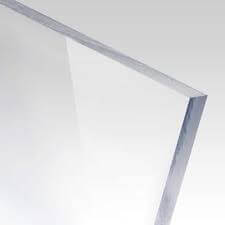
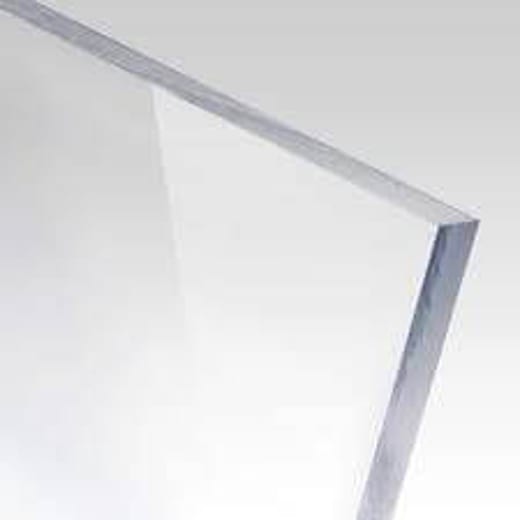
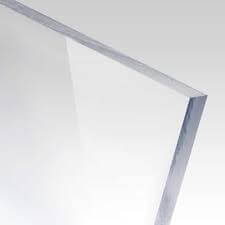
Blast events on mine sites (whether from controlled blasting operations, pressure vessel failure, or dust explosions) generate pressure waves and high-velocity fragments that glass cannot survive. Polycarbonate sheet absorbs blast energy by flexing rather than shattering, containing fragments on the protected side of the panel and maintaining the barrier even after significant deformation.
At 250 times the impact resistance of glass and roughly 30 times that of acrylic, polycarbonate is the only transparent plastic rated for blast-protection applications. It is used extensively in mining control rooms, drill rig operator cabins, shot-firing shelters, and exclusion zone barriers across Australian mine sites.
Control Room and Operator Cabin Glazing
Mining control rooms near blast zones, crusher houses, and grinding circuits need glazing that protects personnel while maintaining visibility of the process. Thick polycarbonate panels (typically 10-15mm solid sheet) provide that protection without the weight penalty of laminated glass. The panels are lighter, easier to replace during shutdowns, and will not produce lethal glass fragments if they are hit.
Drill rig and excavator operator cabins benefit from the same approach: a polycarbonate windscreen absorbs fly-rock and debris impacts that would crack or shatter a glass windscreen, keeping the operator safe without obstructing their view of the work face.
Exclusion Zone Barriers and Blast Screens
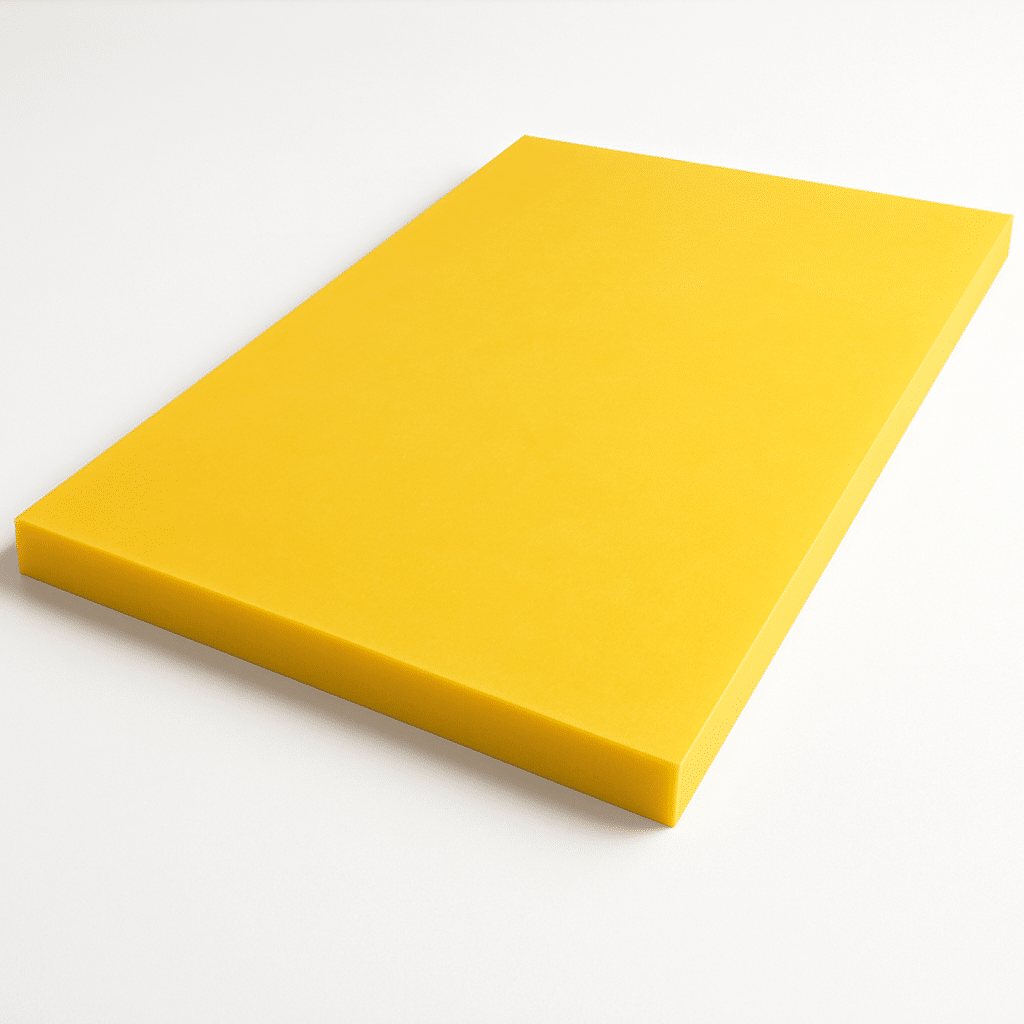
Where blast exclusion zones require physical barriers rather than just distance, polycarbonate panels mounted in steel frames provide a transparent blast screen that lets supervisors observe the blast area from a protected position. Yellow mining-spec HDPE is used for the opaque lower sections of blast barriers where visibility is not needed but fragment containment and high visibility are critical.
For permanent barrier installations, we supply panels with countersunk bolt holes on standard centres so they slot into existing steelwork. For temporary blast screens used during construction or shutdown blasting, lighter-gauge panels with quick-release fixings allow rapid setup and removal.
Hard-Coated and UV-Stabilised Options
Standard polycarbonate is softer than glass and will haze over time in abrasive dust environments. For control room glazing and operator cabin windscreens where long-term clarity matters, we supply hard-coated polycarbonate with an abrasion-resistant surface layer that extends the clear service life significantly. All outdoor-facing panels are UV-stabilised as standard to prevent yellowing under prolonged sun exposure.
Thickness Selection and Panel Sizing
The right thickness depends on the blast assessment: stand-off distance, charge weight, confinement, and the structural capacity of the frame. For general fly-rock protection on operator cabins and control rooms, 10mm solid polycarbonate is a common starting point. Higher-risk applications near blast zones may call for 12-15mm or multi-layer laminated panels. We can supply material data and put you in touch with blast-assessment engineers who work with polycarbonate systems.
Panels are CNC routed to your frame dimensions with bolt holes on the correct centres. Edges are finished smooth for gasket seating. We supply single panels through to full window sets for control room refurbishments and new-build cabins.
Get a quote for blast-resistant glazing. Send us your window dimensions or cabin drawing and we will recommend the right thickness and supply a panel set ready to install.
Featured Products
Products commonly used for this application.
Services Involved
Our services relevant to this use case.


Need help with your blast-resistant glazing & protection panels project?
Our engineers provide expert guidance on material selection, design optimisation, and fabrication.
Blast-Resistant Glazing & Protection Panels FAQ
What thickness polycarbonate is blast-resistant?
Is polycarbonate approved for blast-resistant glazing in Australia?
Can polycarbonate replace glass in an existing blast-resistant window frame?
Does polycarbonate scratch easily in a mining environment?
How does polycarbonate perform in extreme heat on a mine site?
More in Mining & Resources
Walkway & Platform Panels for Mining
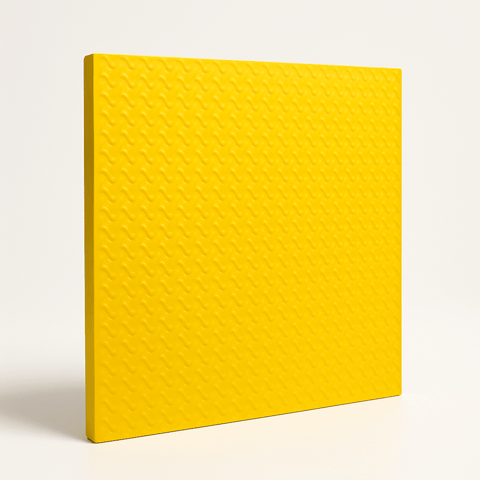
HDPE checker plate, anti-slip UHMWPE, and yellow mining-spec safety panels for mine-site walkways, platforms, ramps, and access areas. Cut to size with mounting holes.
Read more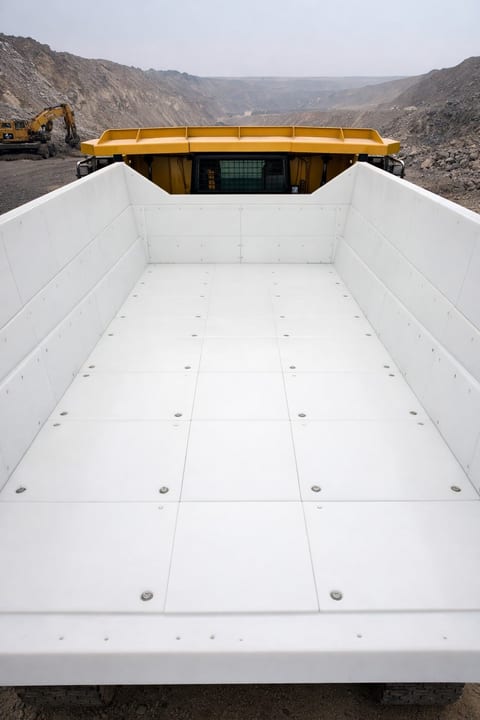
Chute & Hopper Liners for Mining
UHMWPE and HDPE chute liners, hopper liners, and bin liners for mining and quarry operations. Reduce carry-back, cut downtime, and extend equipment life.
Read more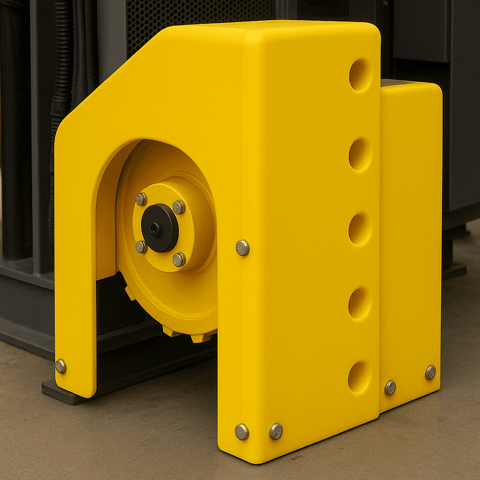
Mining Machine Guards & Safety Screens
Heavy-duty polycarbonate and HDPE machine guards for mining equipment, crushers, conveyors, and processing plants. Impact-resistant, cut to size, and delivered Australia-wide.
Read more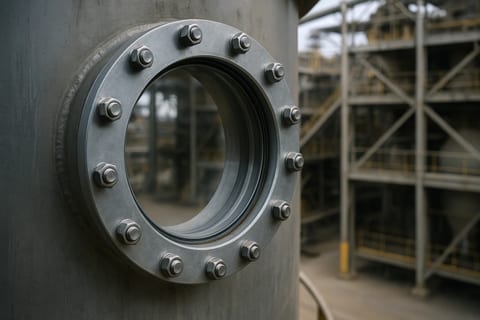
Sight Glasses & Inspection Windows
Clear polycarbonate and acrylic sight glasses for tanks, hoppers, pipelines, and process equipment. Impact-resistant, cut to size with drill holes for bolted flanges.
Read moreRelated from other industries
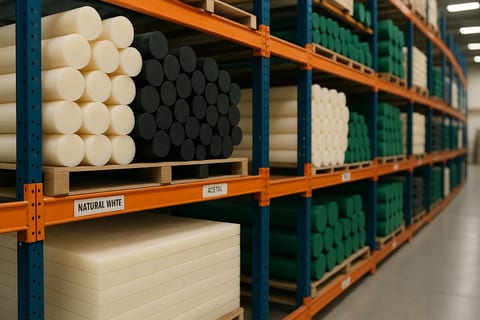
Engineering Plastic Trade Names & Equivalents
Cross-reference guide to engineering plastic trade names. Ertalon, Sustamid, Nylatron, Ertacetal, Sustarin, Polystone, Tivar, Ertalyte, and Simona matched to the nylon, acetal, UHMWPE, PET, and PVC we supply.
Read more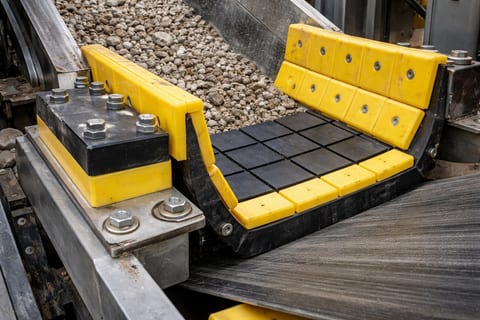
Conveyor Skirting & Transfer Point Sealing
UHMWPE and HDPE conveyor skirting boards, skirt liners, and transfer point sealing strips. Stop spillage and dust at load zones, cut to your chute and skirt dimensions.
Read more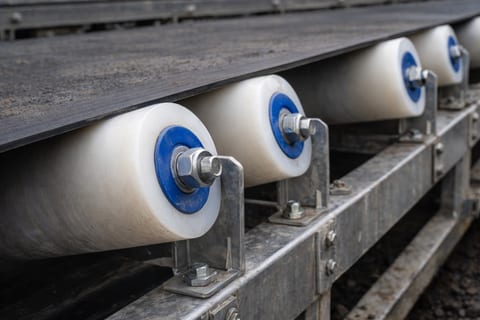
Plastic Sheaves, Pulleys & Rollers
Machined nylon and UHMWPE sheaves, rope pulleys, cable rollers, and guide wheels. Lighter than steel, kind to ropes and cables, machined to your drawing.
Read moreReady to start your blast-resistant glazing & protection panels project?
Join thousands of businesses across Australia who trust Perspex Online for precision-cut industrial plastics.
Guides & articles
Top 10 Ordering Mistakes With Plastic Materials (And How to Avoid Them)
Avoid common plastic ordering errors by selecting proper thickness, material type, and UV resistance; ensuring precise measurements; considering tolerances; and consulting suppliers for smooth, cost-effective projects.
Read guide →applicationsPlastic Wear Parts for Conveyor Belts: Materials, Applications, and Buying Guide
Conveyor Belts Conveyor belts fail for one simple reason: wear. Friction, abrasion, impact, moisture, and contamination slowly destroy metal components and belts, driving up downtime and maintenance costs. That is why plastic wearable parts on conveyor belts are now standard across food processing, packaging, mining, recycling, and manufacturing lines. This guide breaks down where plastic […]
Read guide →guidesThe Ultimate Guide to Choosing Cut-to-Size Plastic Sheets for Trade and DIY Projects
Guide to cut-to-size plastic sheets: choose the right material (acrylic for clarity, polycarbonate for strength), select proper thickness and finish for durability and look, and use precision cutting and custom fabrication for best results.
Read guide →fabricationFrom CAD to Cut: The Science and Technology Behind Precision Cut-to-Size Plastics
Perspex Online uses advanced CAD/CAM, CNC routing, and laser cutting technologies for precise, high-quality plastic fabrication. They offer diverse materials, eco-friendly options, instant quotes, nationwide delivery, and expert support.
Read guide →guidesTop Plastic Material Problems-and How Expert Cutting and Fabrication Prevent Them
Expert cutting and fabrication prevent common plastic issues like melting, chipping, cracking, and scratches. Precision CNC routing, laser cutting, and proper handling ensure durable, high-quality results.
Read guide →materials7 Types of Plastic and Their Resin Identification Codes (RICs)
We’re surrounded by plastic-from food containers to clothing, it is very unmistakably a part of modern life. Not all plastics are created equal, though. Knowing the various kinds of plastic and their corresponding Resin Identification Codes (RICs) is fundamental to recycling and reuse, as well as in choosing products we consume. The resins used for […]
Read guide →