
Wall Cladding (ACM)
Aluminium composite material (ACM) panels for facade and feature wall cladding. Lightweight, weatherproof, flat and rigid, cut to size for renovations and new builds.
4.8 / 5
Google Rating
24hr
Quote Turnaround
Australia Wide
Delivery
Start Your Project
Partner with Australia's leading acrylic fabrication experts. We provide end-to-end support from material selection to final delivery.
Material Consultation
Our engineers help you select the optimal grade for your specific environmental and aesthetic requirements.
CAD Support
Send us your designs in DXF, DWG, or PDF. We review every file for structural integrity and precision cutting paths.
Fast Quoting
Receive a comprehensive technical specification and competitive quote within 24 hours of your submission.
Recommended Materials
Selecting the right base material for this application.
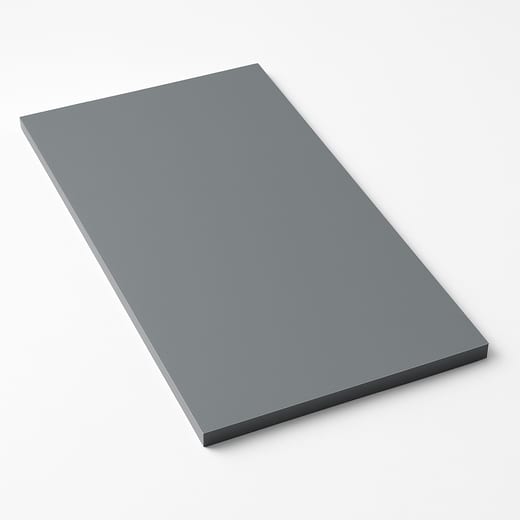
Cladding Facades and Feature Walls with ACM
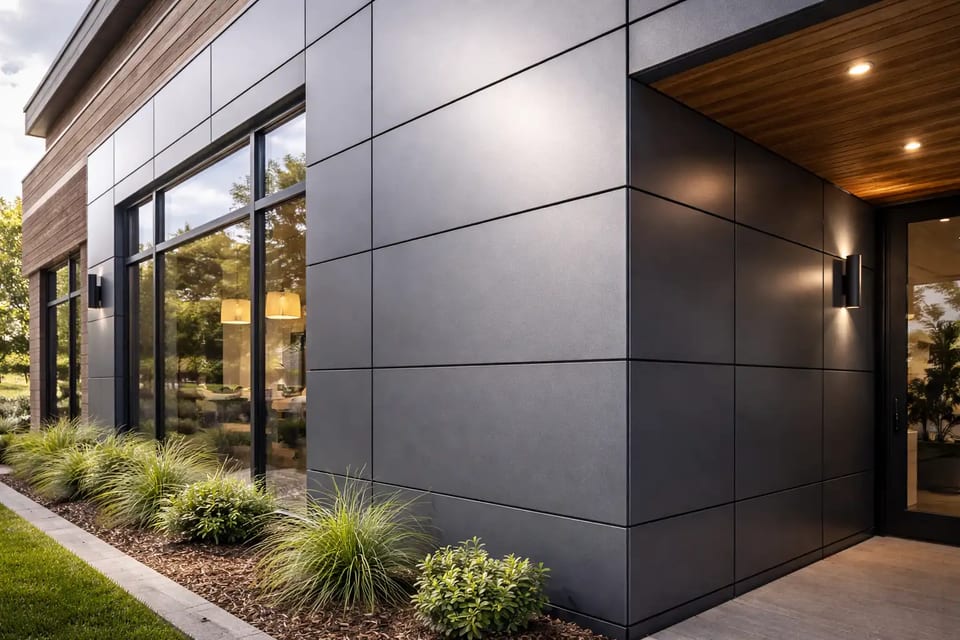
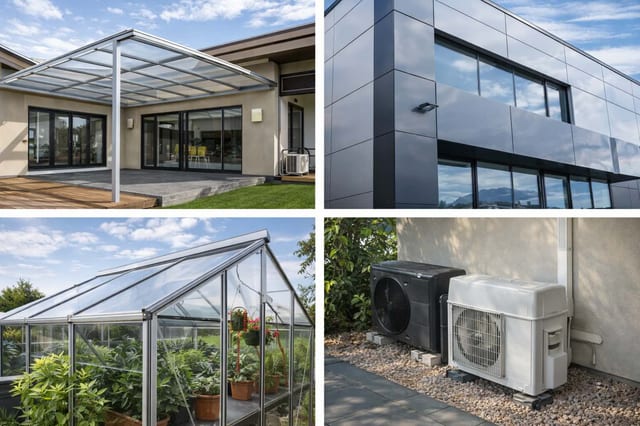
Aluminium composite material, better known as ACM, has become one of the most popular cladding options for facades, feature walls, shopfronts, carports and entryways across Australian residential and commercial builds. It gives a crisp, perfectly flat, architectural finish that is difficult to achieve with timber or render alone.
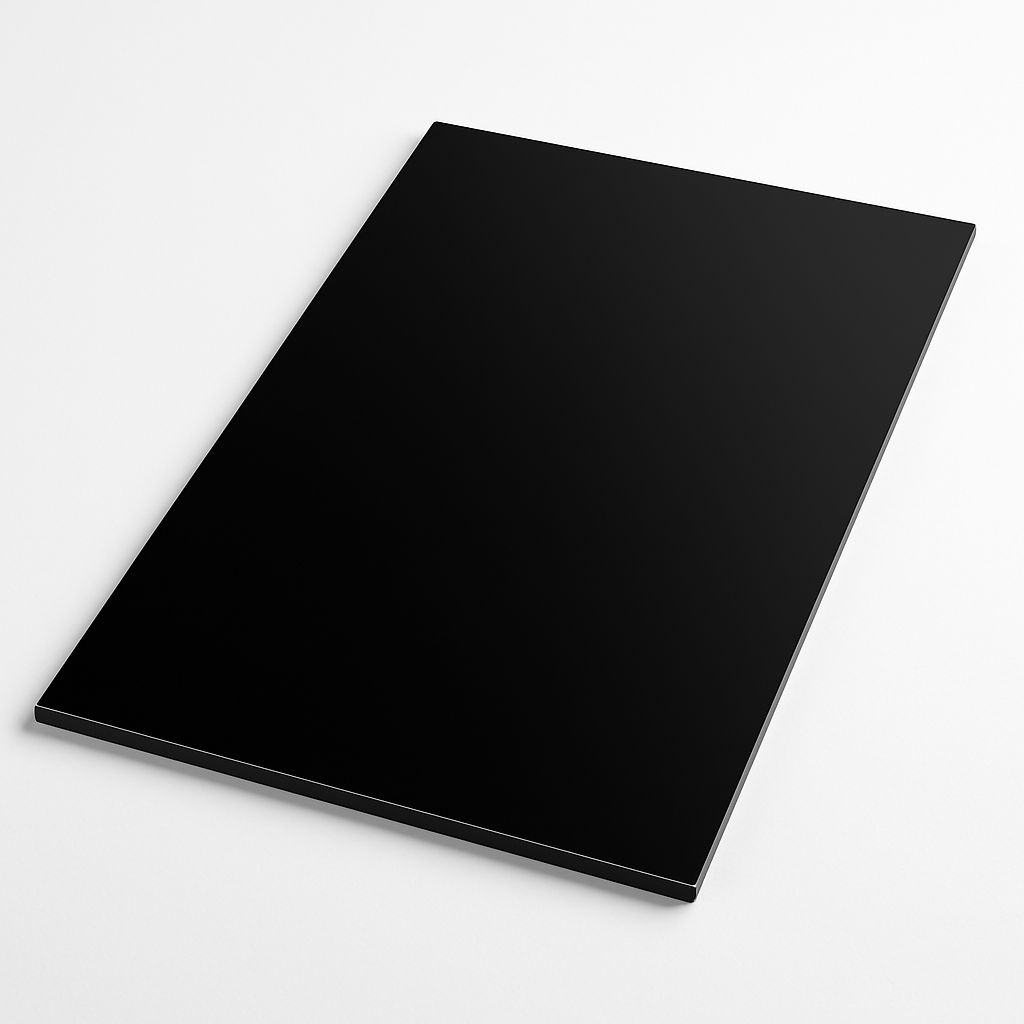
ACM panels are a sandwich construction: two thin aluminium skins bonded to a solid polyethylene or fire-rated mineral core. This gives the panel real rigidity and a true flat, sag-free surface while remaining far lighter than an equivalent thickness of solid aluminium sheet, which makes it easier and cheaper to handle, transport and fix on site.
ACM vs PVC Foam Board and Rigid PVC
True ACM panels give the genuine brushed or painted aluminium look that buyers expect for a premium facade or shopfront, and hold their finish and flatness outdoors for years with minimal maintenance.
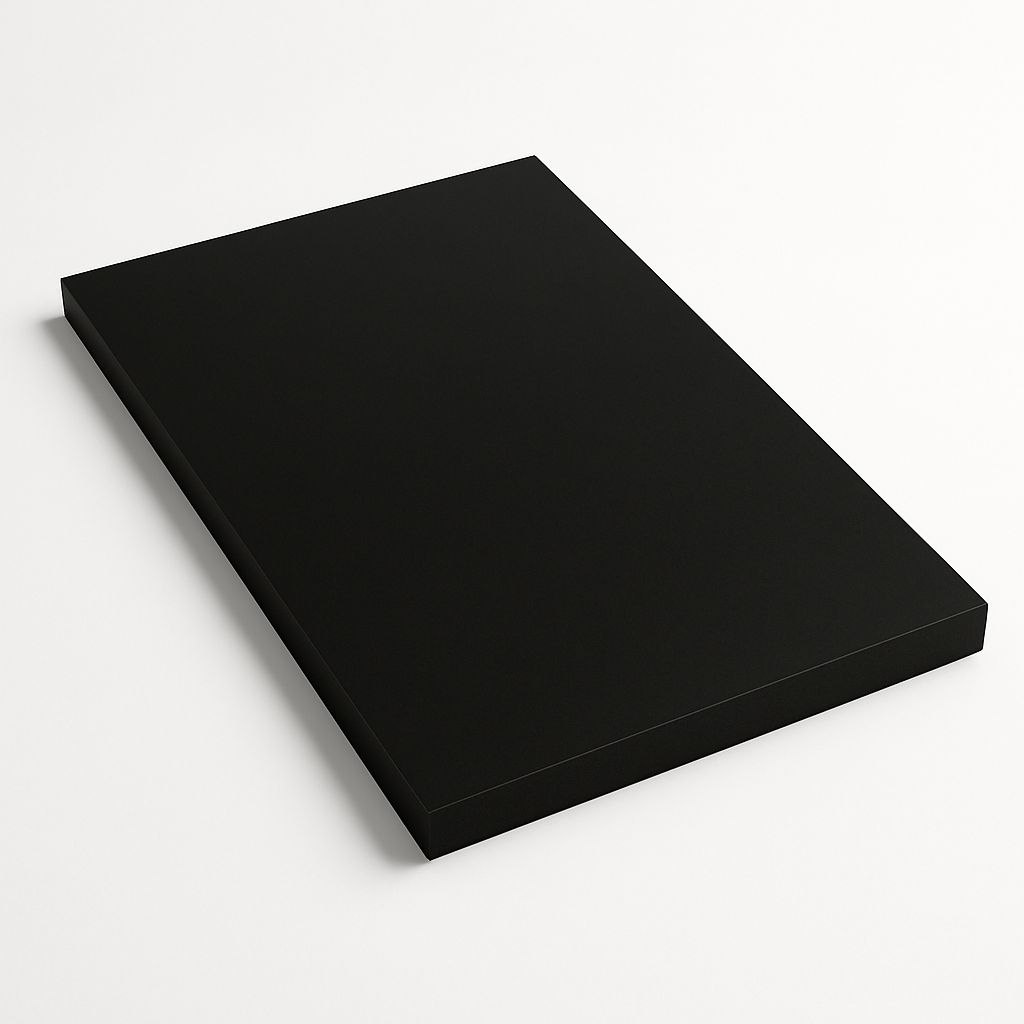
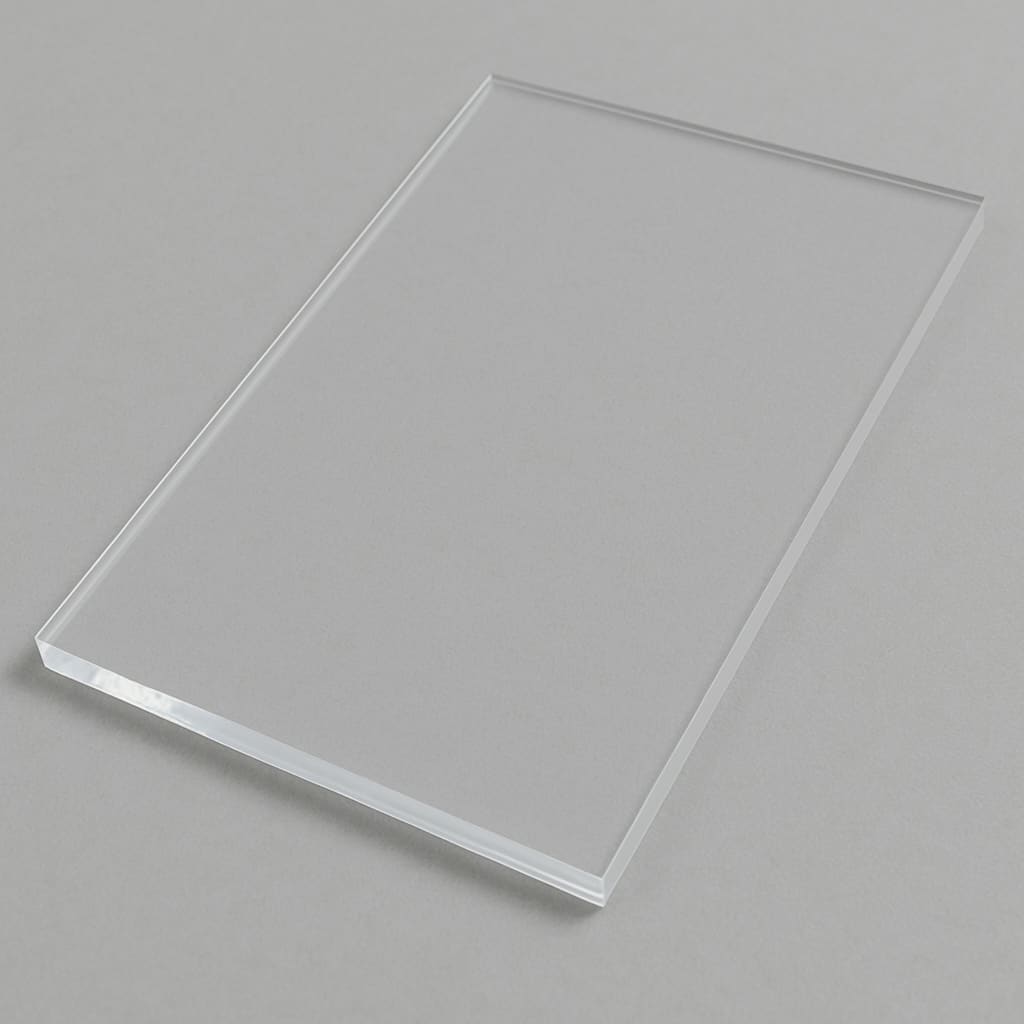
For smaller jobs, internal feature walls, or budget-conscious cladding where the aluminium finish is not essential, PVC foam board is a lightweight, easily worked alternative, and rigid PVC sheet offers a low-cost, flat panel option for signage backing or basic cladding where cost is the main driver.
Sizing, Thickness and Colour Options
3 mm and 4 mm are the standard ACM thicknesses used for wall cladding and facade panels. 3 mm is well suited to smaller feature panels, entry surrounds and letterbox cladding, while 4 mm is preferred for larger facade sections that need extra rigidity across a bigger unsupported span.
ACM is available pre-finished in a broad range of solid colours and metallic finishes to match Colorbond and architectural colour schemes, letting a facade tie in cleanly with roofing, guttering and window frames already on site.
Installation Tips
ACM is usually fixed to a lightweight aluminium or timber batten frame using rivets, concealed clips, or a structural adhesive tape system, allowing a small air gap behind the panel for ventilation and drainage, which is standard practice for rainscreen style facade systems.
Our CNC routing service can groove the aluminium skin partway through the panel so it folds cleanly along a straight line, creating a boxed, seamless edge return with no visible cut edge, a detail commonly used on premium signage and cladding corners.

Why Choose Perspex Online
Get a cut-to-size quote on ACM, PVC foam board or rigid PVC through our pricing calculator, and talk to our fabrication team about folded edges, routed detailing or larger facade packages.
All panels are cut and, where needed, routed in-house at our Gold Coast workshop and shipped Australia-wide for renovations, new builds and commercial fit-outs alike.

Featured Products
Products commonly used for this application.
Services Involved
Our services relevant to this use case.


Need help with your wall cladding (acm) project?
Our engineers provide expert guidance on material selection, design optimisation, and fabrication.
Wall Cladding (ACM) FAQ
What is ACM cladding made from?
Is ACM cladding suitable for a house facade or feature wall?
Can ACM panels be routed for a folded or 3D edge finish?
What thickness ACM panel is standard for cladding?
Do you offer PVC foam board as a lower cost cladding alternative?
More in Building Construction and Infrastructure
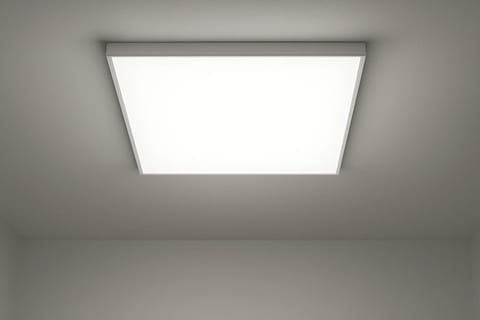
Acrylic Light Diffuser Panels
Opal and diffuser acrylic and polycarbonate panels for even LED light spread in troffers, signage, and ceiling installations. Cut-to-size service available.
Read more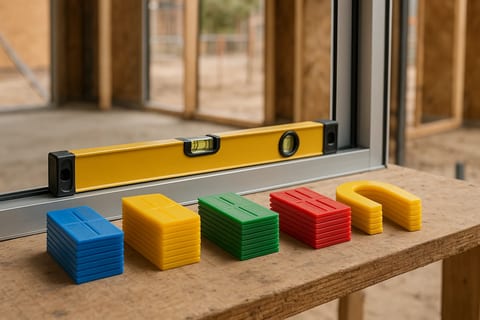
Plastic Packers, Shims & Window Packers
Window packers, horseshoe packers, glazing packers, and load-bearing plastic shims cut to any size and thickness. Trade quantities, custom sizes, and fast Australia-wide delivery.
Read more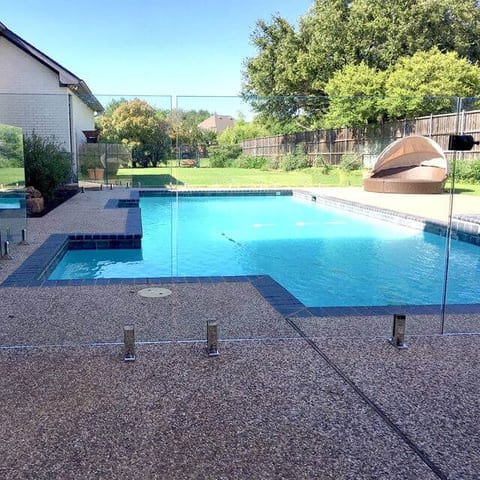
Acrylic Balustrades
Acrylic and polycarbonate balustrade panels as a lightweight, shatterproof alternative to glass. Cut to size for decks, stairs, mezzanines, and pool fencing.
Read more
Pergola Roofing Panels
Polycarbonate pergola roofing panels cut to size. Transform open pergolas into weatherproof outdoor living spaces with clear, opal, or tinted roofing.
Read more
Patio Roofing Panels
Polycarbonate patio roofing panels cut to size. Clear, opal, and tinted options for covered patios, alfresco areas, and outdoor entertaining spaces.
Read more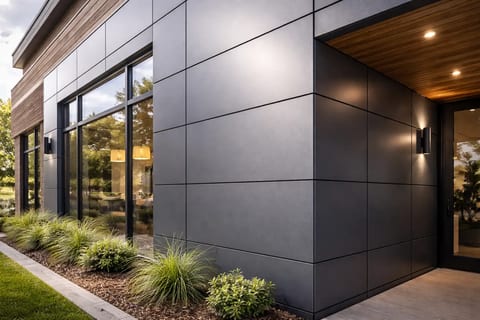
Polycarbonate Roofing Sheets
Polycarbonate roofing sheets cut to size for patios, pergolas, carports, and skylights. UV-protected, virtually unbreakable, and available in clear, opal, and tinted finishes.
Read moreRelated from other industries
Splash Guards for Veterinary Clinics & Animal Wash Stations
PVC splash guards and wet area wall linings for veterinary treatment rooms, animal wash stations, grooming parlours, and kennel wash bays. Moisture-proof, easy to remove and clean.
Read more Cage & Aviary Panels for Bird Rescue and Wildlife Rehab
Large-format PVC panels for flight aviaries, bat houses, bird rehabilitation enclosures, and wildlife housing. Cut to size, drilled for ventilation, and built to withstand daily hosing.
Read more Animal Shelter Kennel Dividers & Pound Panels
Modular PVC kennel dividers and pen panels for animal shelters, council pounds, boarding kennels, and RSPCA facilities. Moisture-proof, easy to disinfect, and built to your kennel dimensions.
Read moreReady to start your wall cladding (acm) project?
Join thousands of businesses across Australia who trust Perspex Online for precision-cut industrial plastics.
Guides & articles
Aluminium Composite Panel (ACM): The Complete Buyer's Guide
Everything you need to know about aluminium composite panel (ACM): what it is, common uses, finishes, how to order cut-to-size in Australia.
Read guide →guidesThe Ultimate Guide to Choosing Cut-to-Size Plastic Sheets for Trade and DIY Projects
Guide to cut-to-size plastic sheets: choose the right material (acrylic for clarity, polycarbonate for strength), select proper thickness and finish for durability and look, and use precision cutting and custom fabrication for best results.
Read guide →fabricationFrom CAD to Cut: The Science and Technology Behind Precision Cut-to-Size Plastics
Perspex Online uses advanced CAD/CAM, CNC routing, and laser cutting technologies for precise, high-quality plastic fabrication. They offer diverse materials, eco-friendly options, instant quotes, nationwide delivery, and expert support.
Read guide →guidesTop Plastic Material Problems-and How Expert Cutting and Fabrication Prevent Them
Expert cutting and fabrication prevent common plastic issues like melting, chipping, cracking, and scratches. Precision CNC routing, laser cutting, and proper handling ensure durable, high-quality results.
Read guide →materials7 Types of Plastic and Their Resin Identification Codes (RICs)
We’re surrounded by plastic-from food containers to clothing, it is very unmistakably a part of modern life. Not all plastics are created equal, though. Knowing the various kinds of plastic and their corresponding Resin Identification Codes (RICs) is fundamental to recycling and reuse, as well as in choosing products we consume. The resins used for […]
Read guide →fabricationTips for Cutting, Shaping, and Working with Plastic Materials
Plastic is a versatile material used for various projects, starting from simple crafts and up to the more complicated engineering designs. However, plastic can be very tricky if you do not know the proper ways of using it. Here are some tips in cutting, shaping, and working with plastic materials effectively: Choosing the Right Tools […]
Read guide →