
Boat Window Replacements
Replace cracked, crazed or yellowed boat windows with cut-to-size marine acrylic or polycarbonate. UV-stable, salt-water tough, fast Australia-wide delivery.
4.8 / 5
Google Rating
24hr
Quote Turnaround
Australia Wide
Delivery
Start Your Project
Partner with Australia's leading acrylic fabrication experts. We provide end-to-end support from material selection to final delivery.
Material Consultation
Our engineers help you select the optimal grade for your specific environmental and aesthetic requirements.
CAD Support
Send us your designs in DXF, DWG, or PDF. We review every file for structural integrity and precision cutting paths.
Fast Quoting
Receive a comprehensive technical specification and competitive quote within 24 hours of your submission.
Recommended Materials
Selecting the right base material for this application.
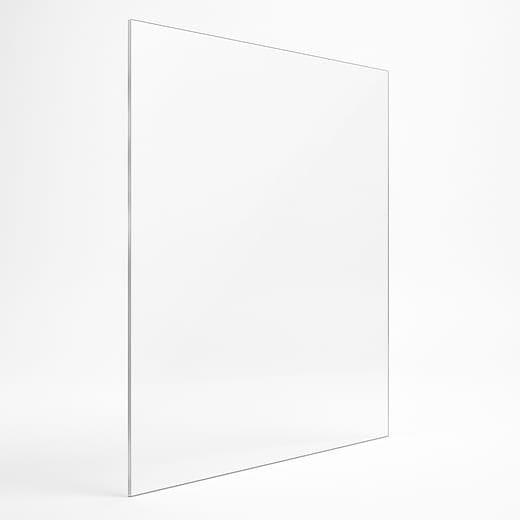
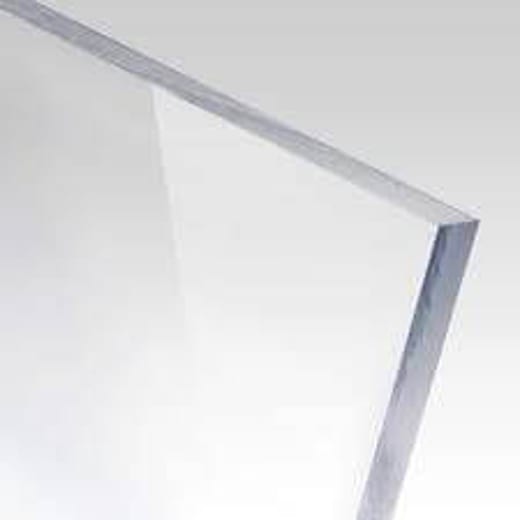
Why Boat Windows Need Replacing
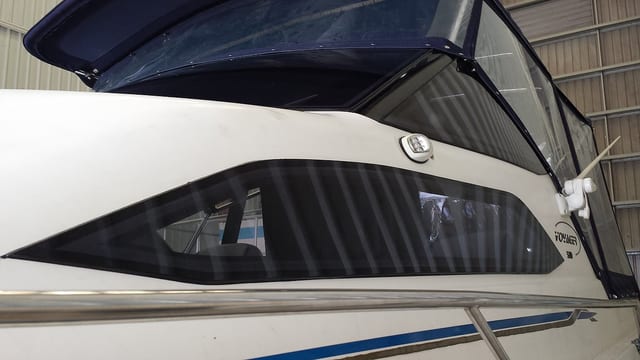
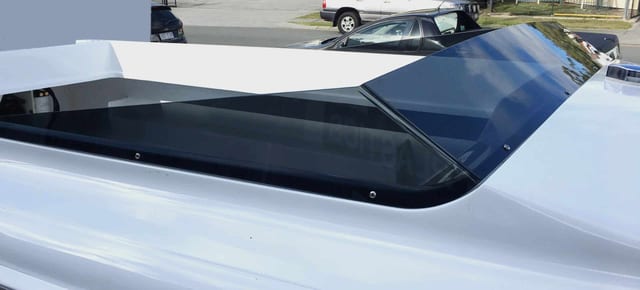
Marine windows and windscreens take a beating that land-based glazing never sees: constant UV exposure, salt spray, vibration, and the flex of a hull moving through chop. Over time this shows up as crazing (fine surface cracks), yellowing, clouding, or outright cracking around fastener holes. Once a boat window starts crazing it only gets worse, and a cloudy windscreen is both a cosmetic problem and a safety issue at the helm.
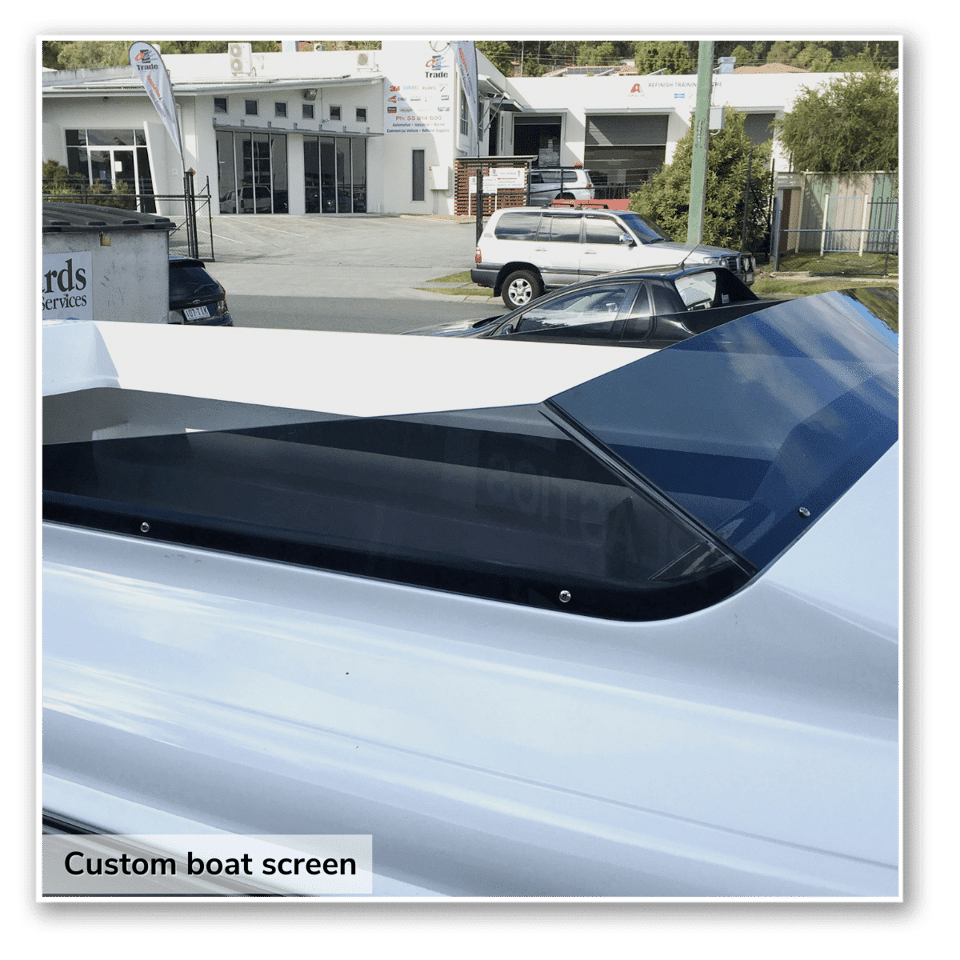
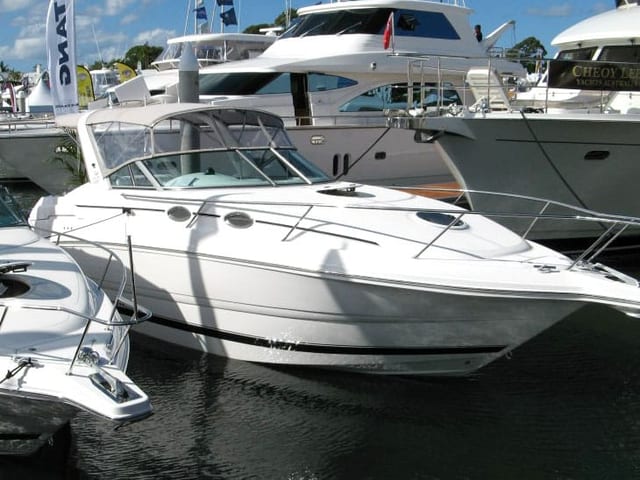
Boat window replacement covers everything from helm windscreens and cabin side lights on cruisers and yachts, to hatch glazing, cockpit enclosures, and clears for flybridge and canopy structures. Because every hull is different, most boat glazing is templated and cut to size rather than bought off the shelf, which is exactly the service a cut-to-size supplier like Perspex Online is set up for.
Choosing the Right Material for Marine Glazing
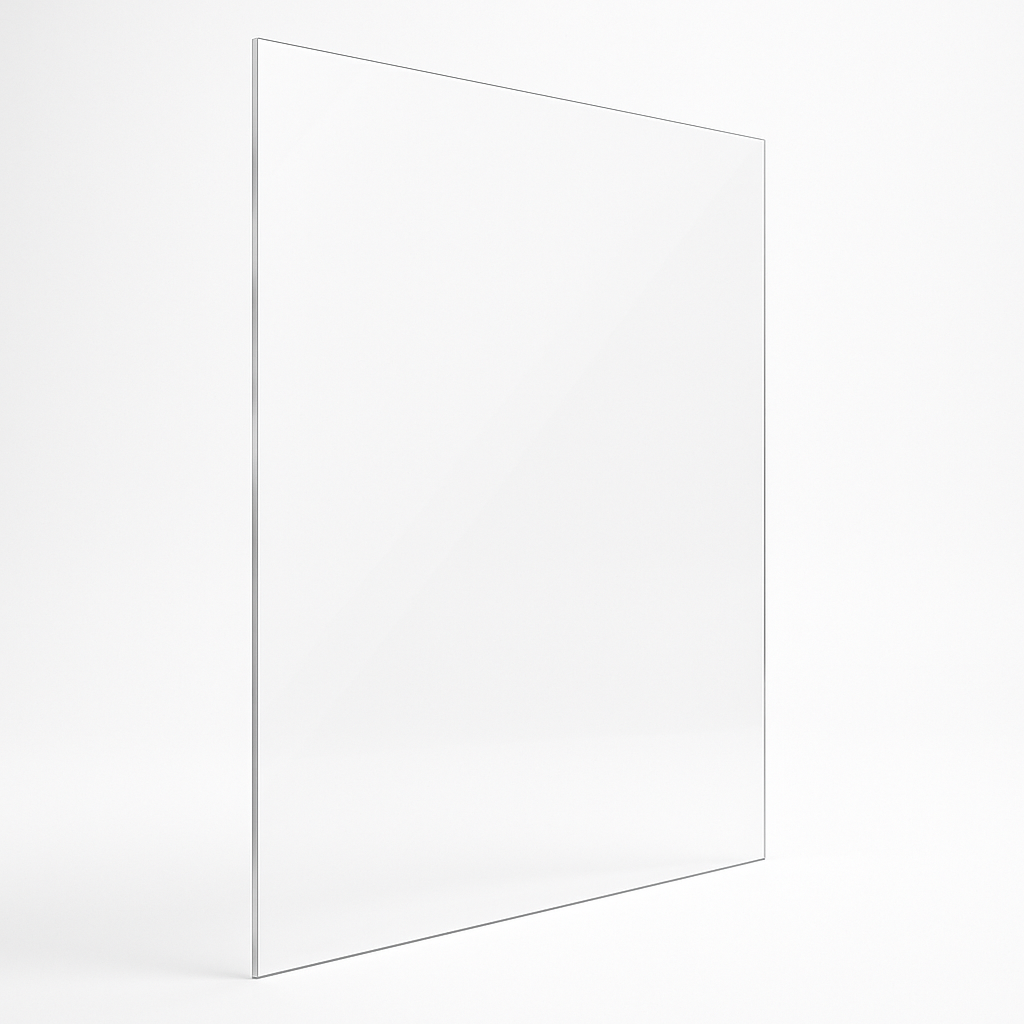
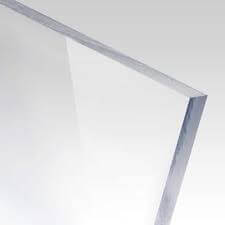
Acrylic (Perspex) is the traditional choice for boat windows because it offers superior optical clarity and better UV and weathering resistance than polycarbonate over the long term, so it stays clearer for longer in direct sun. It's the right pick for fixed windscreens, side lights, and hatches on cruisers where scratch resistance and long-term clarity matter more than impact strength.
Polycarbonate sheet is roughly 200 times more impact-resistant than glass and far tougher than acrylic, so it's the better option for high-vibration areas, workboats, tenders, and any application where flex or a stray impact is likely. The trade-off is that standard polycarbonate scratches more easily and can yellow faster in harsh UV unless it carries a protective coating, so factor in a marine-grade or UV-stabilised grade for exposed helm windscreens.
PETG sheet is worth considering for curved or vacuum-formed sections such as bimini surrounds and canopy clears, since it forms cleanly at lower temperatures without the stress-whitening that acrylic can show when cold-formed on board.

Sizing and Thickness Guidance for Boat Windows
Thickness depends on panel size, mounting method, and exposure. As a general guide, small fixed side lights and hatch glazing on trailer boats and runabouts are commonly 4-6mm, mid-size cabin and cruiser windows are typically 6-10mm, and helm windscreens or larger flybridge clears that take direct wind and wave load are often 10-12mm or thicker. Always check your boat builder's original specification or classification society requirements before downgrading thickness.
For the most accurate fit, remove the old window (or a section of it) and use it as a template, or take careful paper or cardboard patterns of the opening, including all fastener hole positions. Send us your template dimensions or the panel itself and we'll cut to size, including drilled holes, radiused corners, and CNC-routed profiles for compound-shaped openings.
Installing and Bonding Your New Boat Windows
Marine glazing is typically either mechanically fastened with a rubber or foam gasket, or structurally bonded with a purpose-made adhesive/sealant. Never over-tighten fasteners directly onto rigid plastic. Always allow for thermal expansion with slightly oversized holes and a compressible gasket, otherwise the sheet will crack around the fixing points as it expands and contracts in the sun.
Where windows are bonded rather than mechanically fixed, an acrylic bonding adhesive such as Acrifix 192 gives a strong, weather-resistant joint between acrylic panels and framing, and is widely used in marine and transport glazing for exactly this reason. Always clean and prime surfaces as per the adhesive manufacturer's instructions, and allow full cure time before the boat goes back in the water.
Why Buy Your Boat Window Replacements from Perspex Online
We supply cut-to-size acrylic and polycarbonate to boat builders, marine trimmers, and DIY boat owners across Australia, with precision cutting, drilling, and CNC routing done in-house so your panels arrive ready to fit. Our team can advise on the right grade and thickness for your vessel and application before you order.
Get a quote for your boat window replacement using our pricing calculator, or contact our team with your template and we'll confirm the best material, thickness, and finish for the job.
Featured Products
Products commonly used for this application.


Services Involved
Our services relevant to this use case.


Need help with your boat window replacements project?
Our engineers provide expert guidance on material selection, design optimisation, and fabrication.
Boat Window Replacements FAQ
What's the best plastic for boat windows, acrylic or polycarbonate?
What thickness do I need for a boat windscreen?
Can Perspex Online cut boat windows to a template?
How do I stop new boat windows from cracking around the fasteners?
Can boat windows be bonded instead of screwed in?
More in Automotive Transport and Fleet
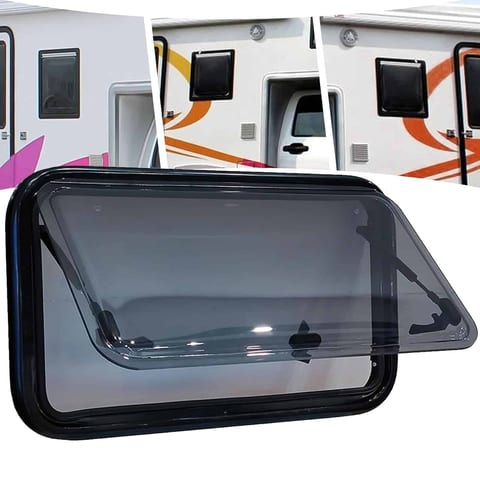
Caravan Window Replacements
Replace foggy, cracked or crazed caravan windows with cut-to-size acrylic or polycarbonate glazing. UV-stable, lightweight and precision-cut Australia-wide.
Read more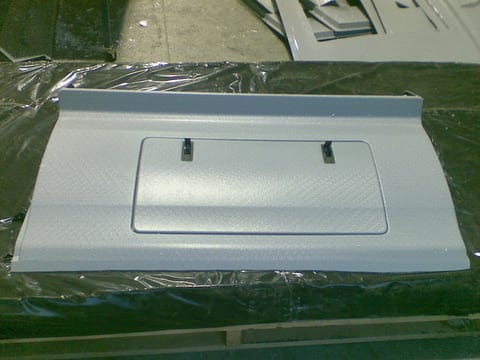
Bus & Coach Parts
Cut-to-size acrylic, polycarbonate and engineering plastics for bus and coach parts: window glazing, interior panels, luggage bins and machined components.
Read moreRelated from other industries
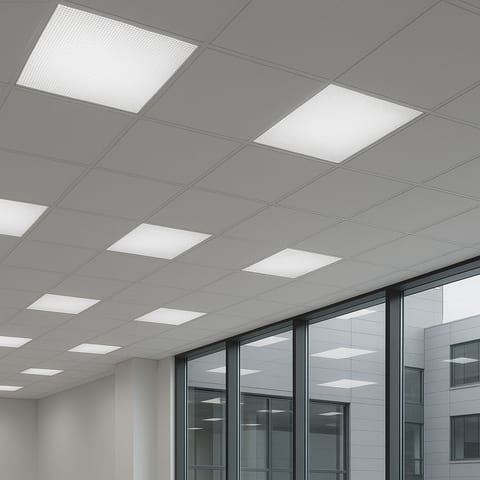
Lighting Diffuser Panels & Egg Crate Louvres
Light diffuser panels, prismatic diffusers, opal acrylic, and egg crate louvres cut to size for troffers, skylights, and LED fittings. Replacements for any fitting, delivered Australia-wide.
Read more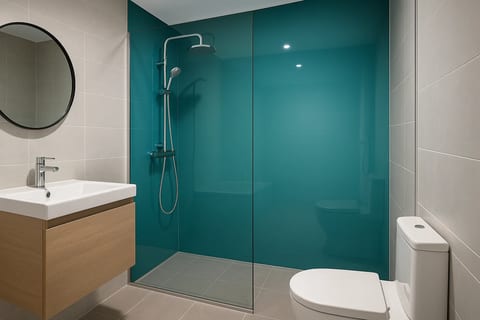
Acrylic Shower Wall Panels
Grout-free acrylic shower wall panels and splashback surrounds for seamless, waterproof bathroom finishes. DIY-friendly cut-to-size panels in clear, colour and tinted options.
Read more
Polycarbonate Safety Glazing
Near-unbreakable polycarbonate safety glazing for machine guards, security screens and vandal-prone applications. Available cut-to-size with UV-stabilised grades for indoor and outdoor use.
Read moreReady to start your boat window replacements project?
Join thousands of businesses across Australia who trust Perspex Online for precision-cut industrial plastics.
Guides & articles
Top 10 Ordering Mistakes With Plastic Materials (And How to Avoid Them)
Avoid common plastic ordering errors by selecting proper thickness, material type, and UV resistance; ensuring precise measurements; considering tolerances; and consulting suppliers for smooth, cost-effective projects.
Read guide →guidesThe Ultimate Guide to Choosing Cut-to-Size Plastic Sheets for Trade and DIY Projects
Guide to cut-to-size plastic sheets: choose the right material (acrylic for clarity, polycarbonate for strength), select proper thickness and finish for durability and look, and use precision cutting and custom fabrication for best results.
Read guide →fabricationFrom CAD to Cut: The Science and Technology Behind Precision Cut-to-Size Plastics
Perspex Online uses advanced CAD/CAM, CNC routing, and laser cutting technologies for precise, high-quality plastic fabrication. They offer diverse materials, eco-friendly options, instant quotes, nationwide delivery, and expert support.
Read guide →guidesTop Plastic Material Problems-and How Expert Cutting and Fabrication Prevent Them
Expert cutting and fabrication prevent common plastic issues like melting, chipping, cracking, and scratches. Precision CNC routing, laser cutting, and proper handling ensure durable, high-quality results.
Read guide →applicationsThe Role of Perspex Signage and Branding
What is Perspex Signage? Perspex Signage refers to signs made from Perspex, a brand name for high-quality acrylic sheet. These signs utilise the excellent clarity, durability, and light weight of acrylic to make effective visual communication. They have high optical clarity that allows for bright and readable graphics. Their durability ensures them to last long, […]
Read guide →fabricationTips for Cutting, Shaping, and Working with Plastic Materials
Plastic is a versatile material used for various projects, starting from simple crafts and up to the more complicated engineering designs. However, plastic can be very tricky if you do not know the proper ways of using it. Here are some tips in cutting, shaping, and working with plastic materials effectively: Choosing the Right Tools […]
Read guide →