
Data Centre Enclosures
Custom plastic enclosures for data centre racks, patch panels and comms cabinets. Impact-resistant polycarbonate and acrylic, CNC-cut to size in Australia.
4.8 / 5
Google Rating
24hr
Quote Turnaround
Australia Wide
Delivery
Start Your Project
Partner with Australia's leading acrylic fabrication experts. We provide end-to-end support from material selection to final delivery.
Material Consultation
Our engineers help you select the optimal grade for your specific environmental and aesthetic requirements.
CAD Support
Send us your designs in DXF, DWG, or PDF. We review every file for structural integrity and precision cutting paths.
Fast Quoting
Receive a comprehensive technical specification and competitive quote within 24 hours of your submission.
Recommended Materials
Selecting the right base material for this application.
Purpose-Built Enclosures for Server Racks and Comms Cabinets
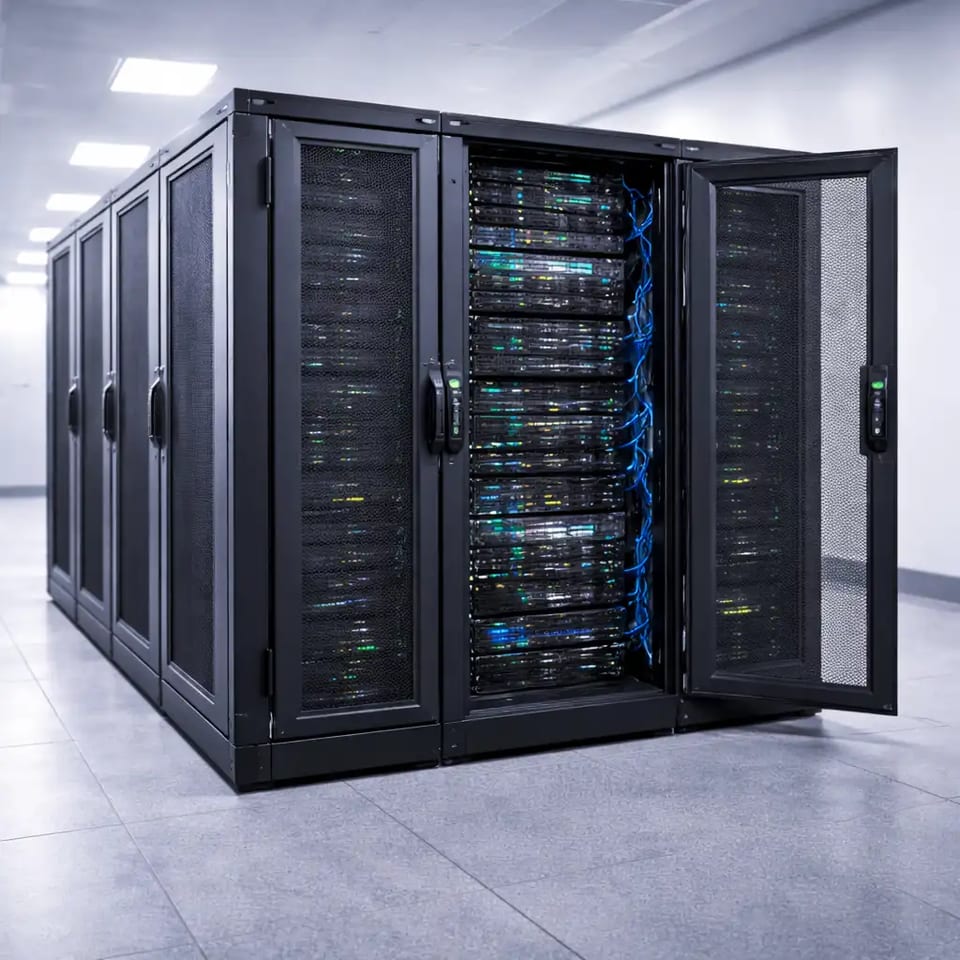
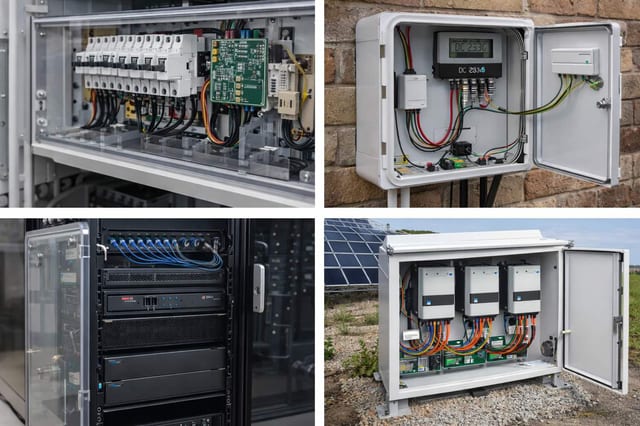
Data centres and comms rooms need enclosures that protect sensitive equipment from dust, moisture and accidental knocks without blocking airflow or restricting technician access. Off-the-shelf metal enclosures are often overkill for a single rack, patch panel or UPS unit, and retrofitting them to fit existing infrastructure is slow and expensive.
Perspex Online cuts custom plastic enclosures, covers and mounting panels to the exact dimensions of your rack, cabinet or equipment bay. Every panel is CNC-cut from a single sheet, so cable entry points, ventilation slots and mounting holes are built in from the start rather than drilled on site.
Because the material is non-conductive, lightweight and easy to clean, plastic enclosures suit server rooms, comms cupboards, and edge computing cabinets in warehouses, retail sites and remote facilities where a full steel enclosure isn't practical.
Choosing the Right Plastic for Data Infrastructure
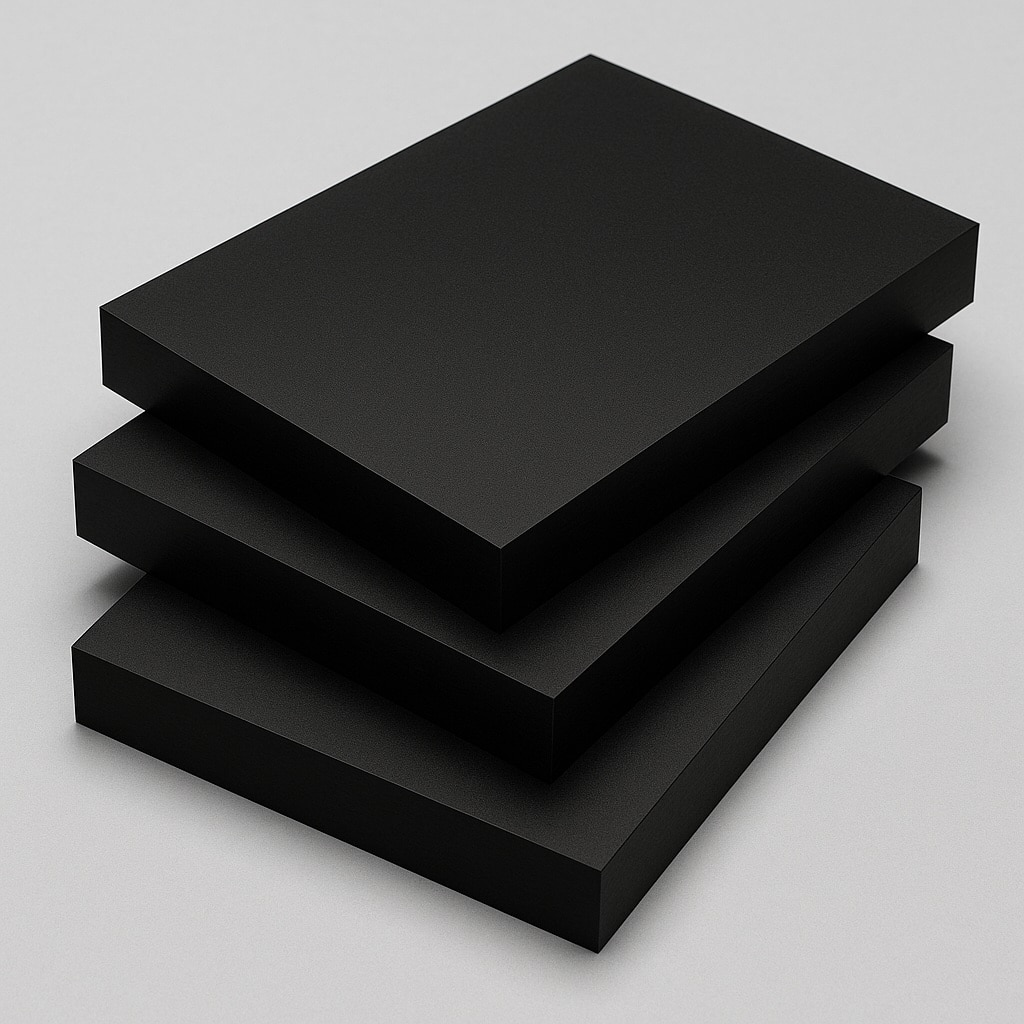
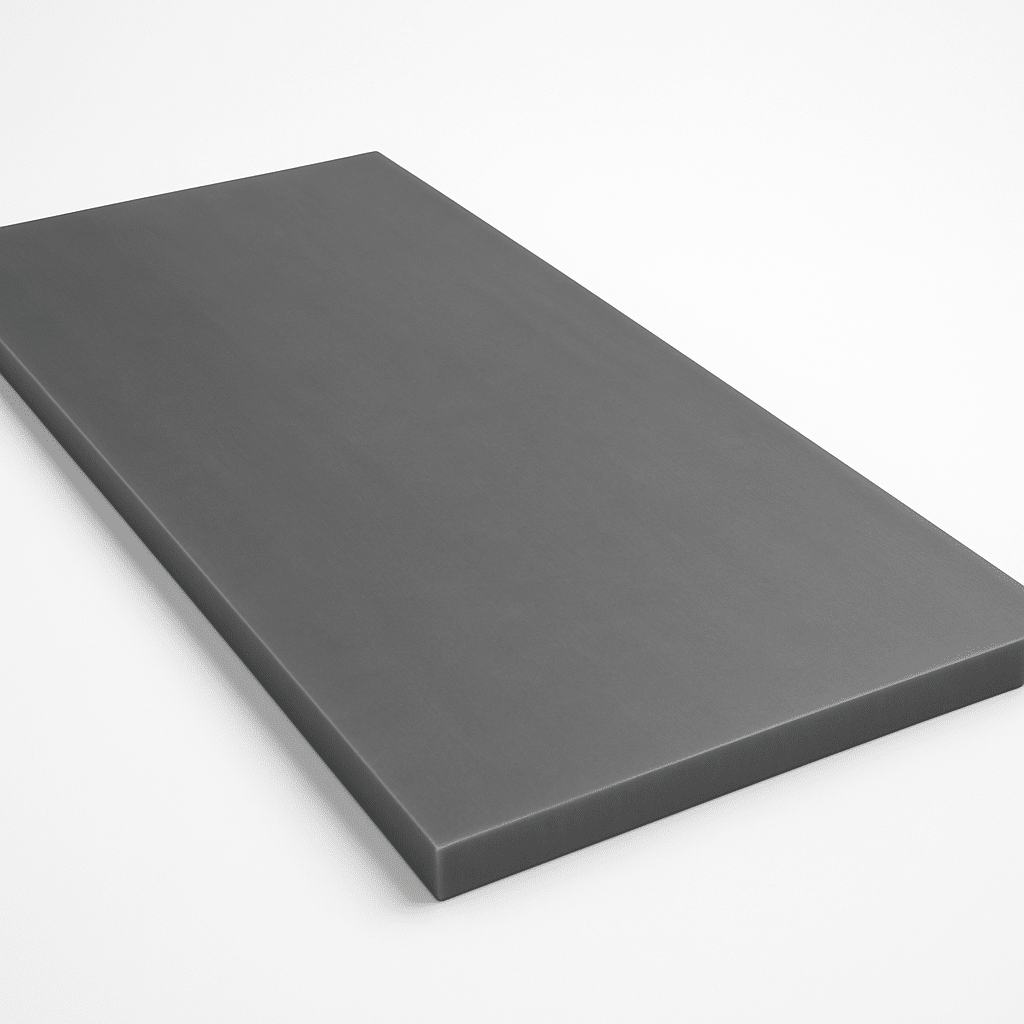
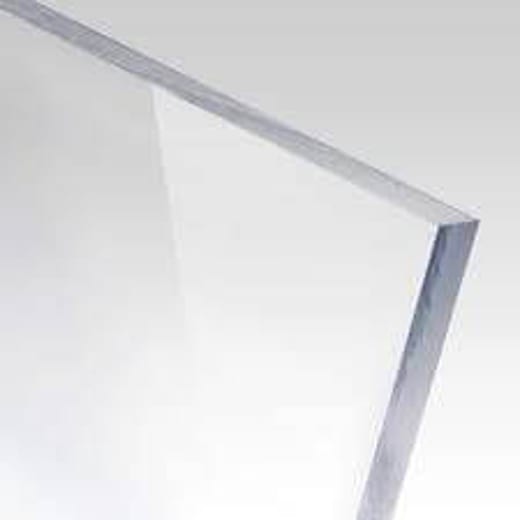
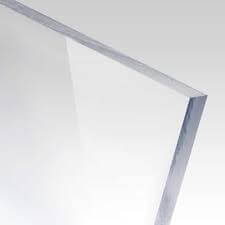
Clear or tinted polycarbonate sheet is the standard choice for equipment covers because it is virtually unbreakable, lighter than glass or acrylic, and lets technicians visually check status lights and cabling without opening the panel. It also holds up well in warehouses and plant rooms with wide temperature swings.
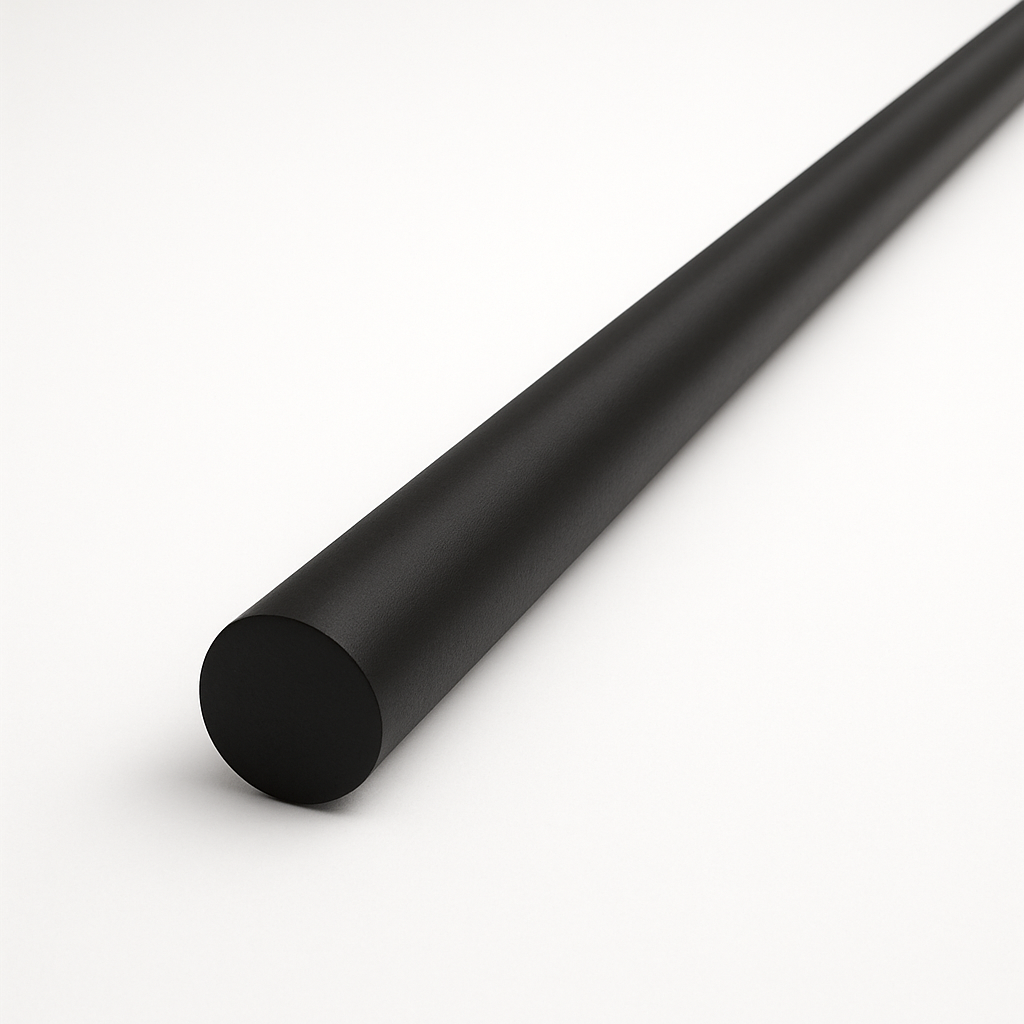
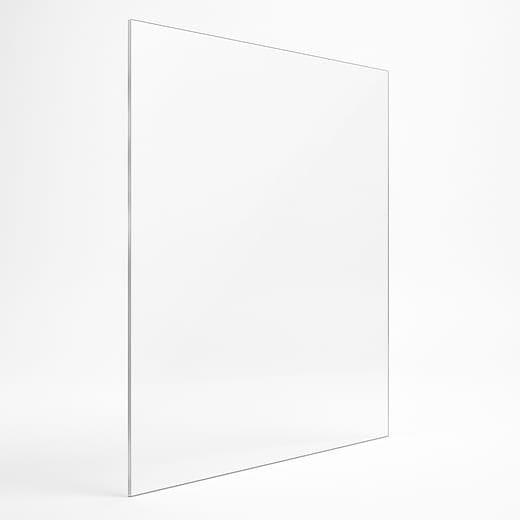
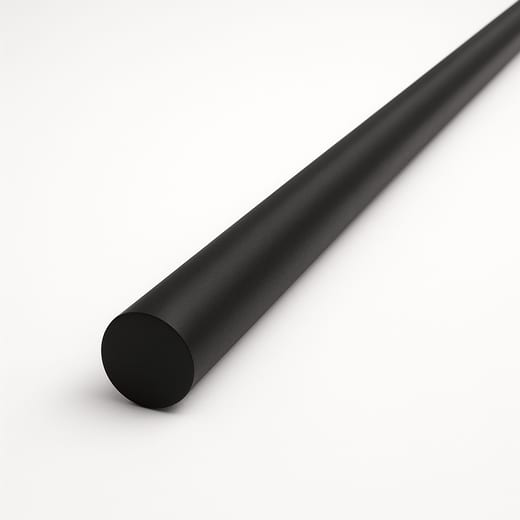
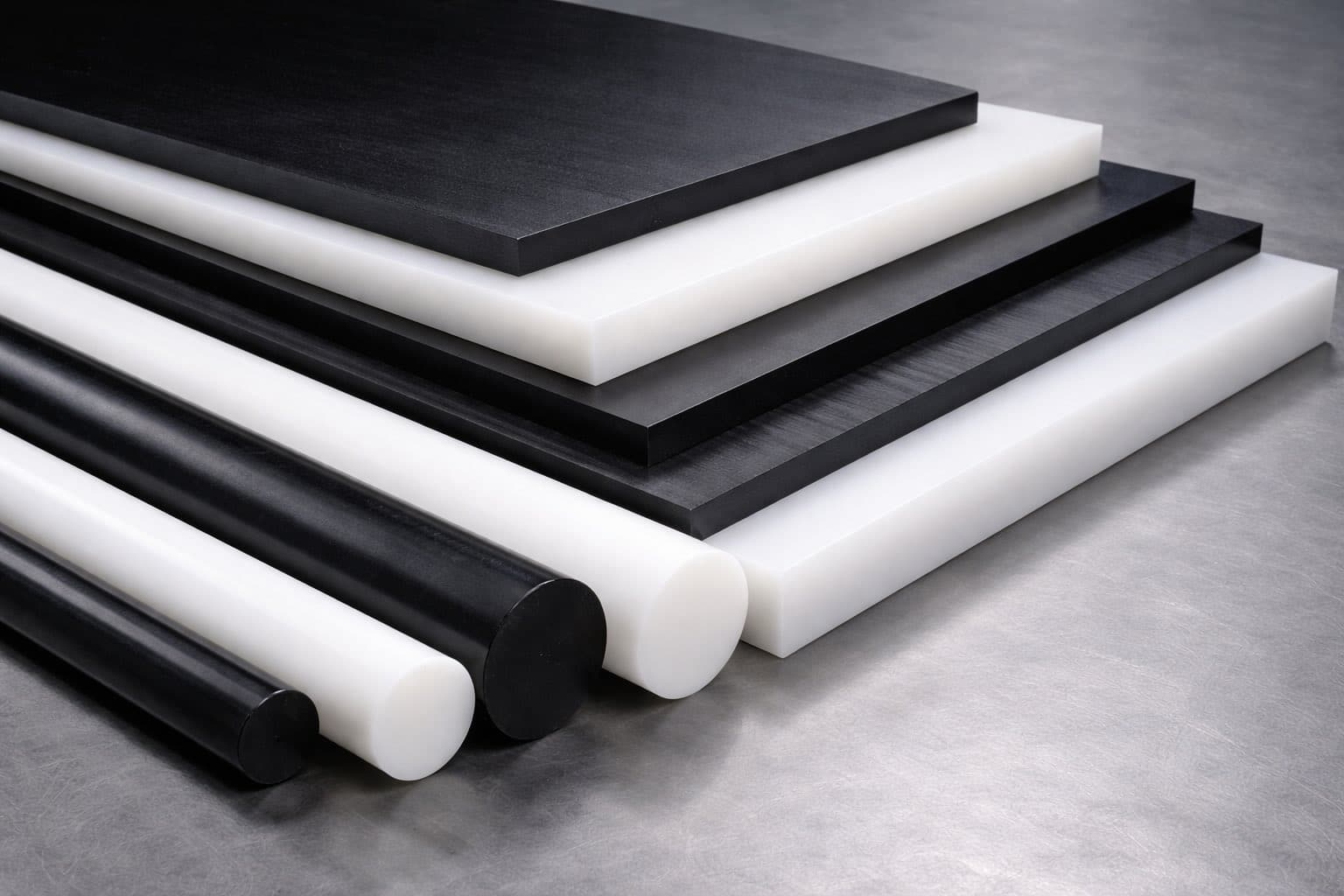
Where a stiffer, opaque panel is needed for mounting terminals or switchgear, acrylic sheet machines to a cleaner edge and takes engraved labelling well. For structural brackets, standoffs and load-bearing shelves inside an enclosure, engineering plastics like nylon and acetal offer the strength and dimensional stability metal fabricators expect.
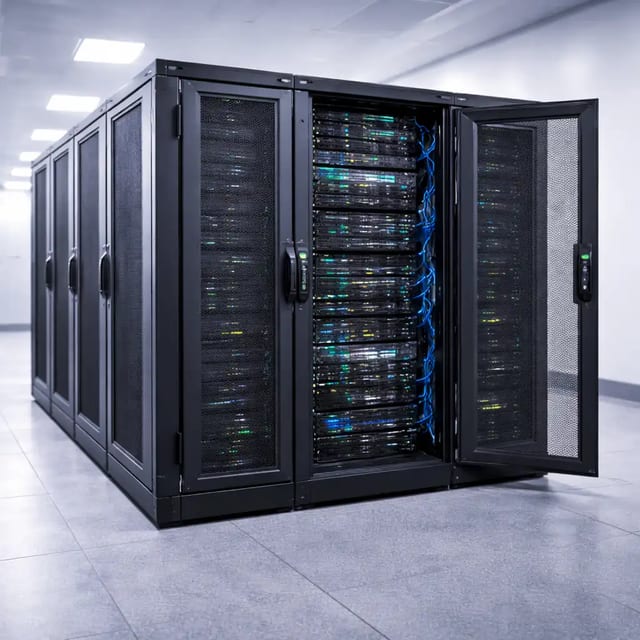
Ventilation, Cable Management and Access Panels
Every enclosure we cut can include CNC-routed ventilation slots, fan cutouts and cable glands sized to your connectors, so airflow and cable routing are sorted before the panel ever reaches site. This is far faster than drilling holes in a finished metal box on installation day.
Hinged or removable access panels can be cut with matching fixing holes for quick-release fasteners, letting technicians reach patch panels and power supplies without fully dismantling the enclosure. We can also laser-cut label windows or engrave port numbering directly into the panel.
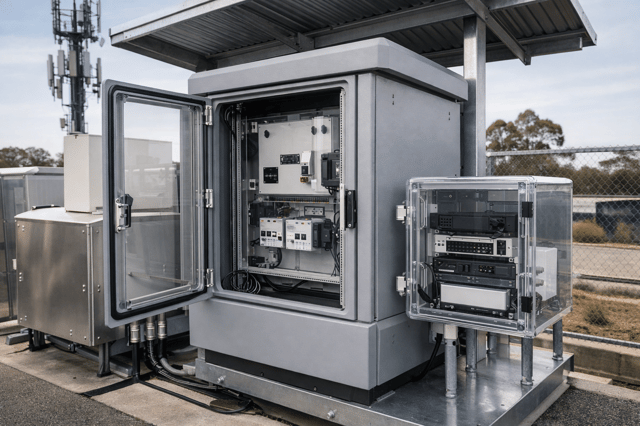
Custom Fabrication for Non-Standard Rack Sizes
Standard rack enclosures assume a 19-inch cabinet, but plenty of comms rooms use older, oversized or custom-built racks that don't match any catalogue product. Send us your measurements or a rough sketch and we will cut a panel set to suit, rather than asking you to adapt a generic product.
We also handle one-off replacement panels when an existing enclosure is cracked or a new piece of equipment needs a modified cutout, so you are not waiting on a full replacement unit from an overseas supplier.
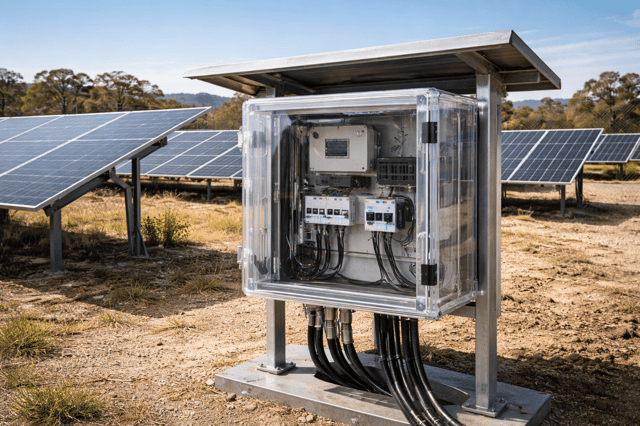
Why Fabricators and IT Installers Choose Perspex Online
We supply electricians, data cablers and IT installers across Australia with cut-to-size polycarbonate, acrylic and engineering plastic panels, fabricated on our own CNC routers and laser cutters on the Gold Coast and shipped nationwide.
Every panel is quoted ex GST with clear cut-to-size pricing, and our team can advise on material thickness and ventilation layout before you order. Get a quote for your data centre enclosure panels today.
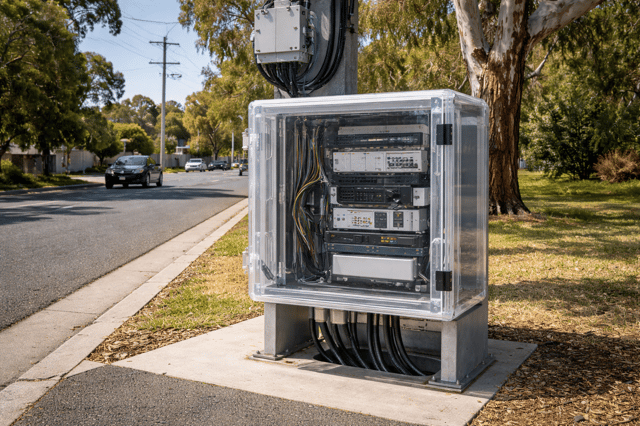
Featured Products
Products commonly used for this application.

Services Involved
Our services relevant to this use case.


Need help with your data centre enclosures project?
Our engineers provide expert guidance on material selection, design optimisation, and fabrication.
Data Centre Enclosures FAQ
What thickness of polycarbonate should I use for a server enclosure cover?
Can you cut ventilation slots and fan cutouts into the panel?
Is polycarbonate or acrylic better for a data centre enclosure?
Can you fabricate enclosure panels for a non-standard or custom-built rack?
Do you supply engineering plastic brackets or standoffs for internal mounting?
More in Energy Data and Technical Enclosures
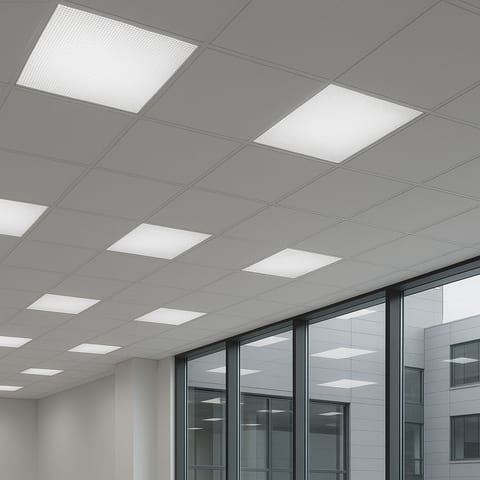
Lighting Diffuser Panels & Egg Crate Louvres
Light diffuser panels, prismatic diffusers, opal acrylic, and egg crate louvres cut to size for troffers, skylights, and LED fittings. Replacements for any fitting, delivered Australia-wide.
Read more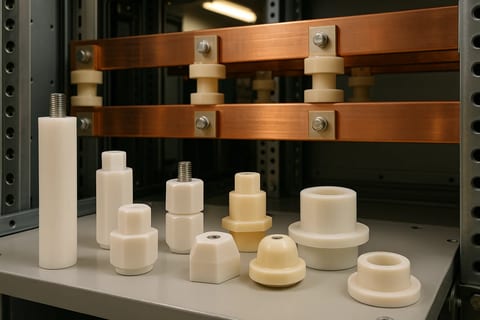
Plastic Electrical Insulators & Insulation Components
Machined plastic electrical insulators, standoffs, barriers, and busbar supports in nylon, acetal, PTFE, and polycarbonate. Cut and machined to drawing, delivered Australia-wide.
Read more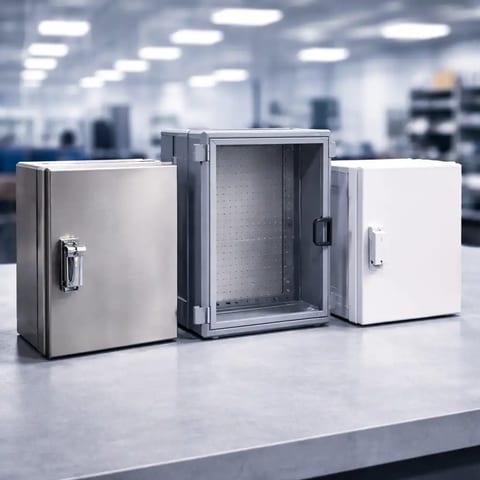
Electrical Enclosures
Custom plastic enclosures for switchboards, junction boxes and control panels. Non-conductive PVC, HDPE and acrylic, CNC-cut to size for electricians.
Read more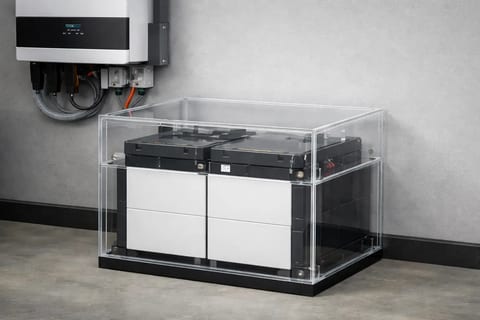
Solar Battery Covers
Weatherproof plastic covers for home battery storage and inverter units. UV-stable HDPE and polycarbonate, cut and vacuum-formed to size.
Read more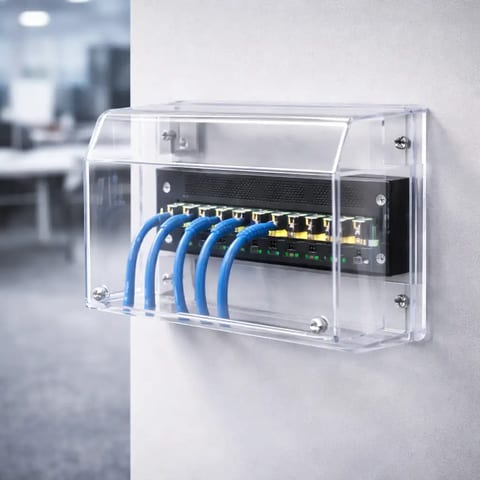
Data Switch Covers
Protective plastic covers for network switches and patch panels. Clear acrylic and polycarbonate options, cut to size and laser-etched for ports and labels.
Read moreRelated from other industries
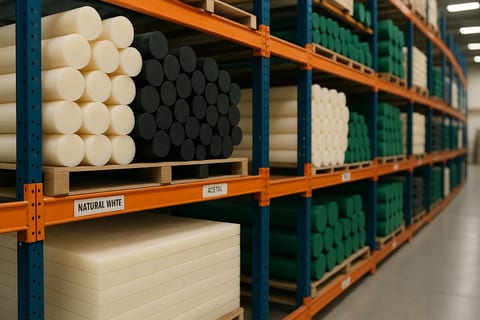
Engineering Plastic Trade Names & Equivalents
Cross-reference guide to engineering plastic trade names. Ertalon, Sustamid, Nylatron, Ertacetal, Sustarin, Polystone, Tivar, Ertalyte, and Simona matched to the nylon, acetal, UHMWPE, PET, and PVC we supply.
Read more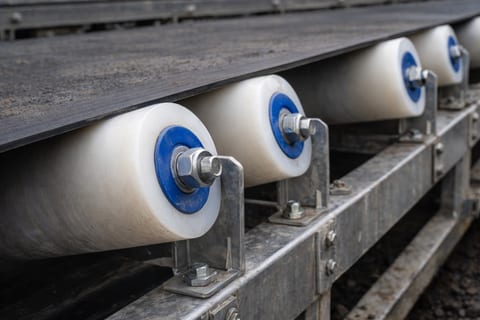
Plastic Sheaves, Pulleys & Rollers
Machined nylon and UHMWPE sheaves, rope pulleys, cable rollers, and guide wheels. Lighter than steel, kind to ropes and cables, machined to your drawing.
Read more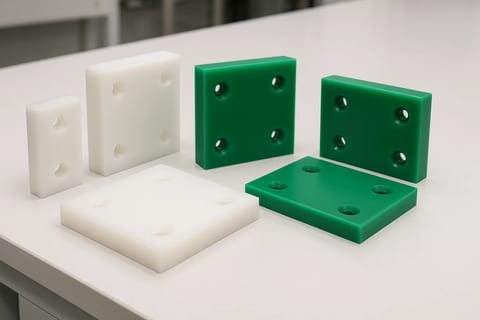
UHMWPE Wear Pads
Custom UHMWPE wear pads and slide plates engineered for chutes, conveyors and material-handling equipment. Exceptional abrasion resistance, self-lubricating properties and CNC machined to your drawings with fixing holes.
Read moreReady to start your data centre enclosures project?
Join thousands of businesses across Australia who trust Perspex Online for precision-cut industrial plastics.
Guides & articles
Top 10 Ordering Mistakes With Plastic Materials (And How to Avoid Them)
Avoid common plastic ordering errors by selecting proper thickness, material type, and UV resistance; ensuring precise measurements; considering tolerances; and consulting suppliers for smooth, cost-effective projects.
Read guide →applicationsPlastic Wear Parts for Conveyor Belts: Materials, Applications, and Buying Guide
Conveyor Belts Conveyor belts fail for one simple reason: wear. Friction, abrasion, impact, moisture, and contamination slowly destroy metal components and belts, driving up downtime and maintenance costs. That is why plastic wearable parts on conveyor belts are now standard across food processing, packaging, mining, recycling, and manufacturing lines. This guide breaks down where plastic […]
Read guide →guidesThe Ultimate Guide to Choosing Cut-to-Size Plastic Sheets for Trade and DIY Projects
Guide to cut-to-size plastic sheets: choose the right material (acrylic for clarity, polycarbonate for strength), select proper thickness and finish for durability and look, and use precision cutting and custom fabrication for best results.
Read guide →fabricationFrom CAD to Cut: The Science and Technology Behind Precision Cut-to-Size Plastics
Perspex Online uses advanced CAD/CAM, CNC routing, and laser cutting technologies for precise, high-quality plastic fabrication. They offer diverse materials, eco-friendly options, instant quotes, nationwide delivery, and expert support.
Read guide →guidesTop Plastic Material Problems-and How Expert Cutting and Fabrication Prevent Them
Expert cutting and fabrication prevent common plastic issues like melting, chipping, cracking, and scratches. Precision CNC routing, laser cutting, and proper handling ensure durable, high-quality results.
Read guide →materials7 Types of Plastic and Their Resin Identification Codes (RICs)
We’re surrounded by plastic-from food containers to clothing, it is very unmistakably a part of modern life. Not all plastics are created equal, though. Knowing the various kinds of plastic and their corresponding Resin Identification Codes (RICs) is fundamental to recycling and reuse, as well as in choosing products we consume. The resins used for […]
Read guide →