

Heat Pump Covers
Weatherproof acrylic, polycarbonate and HDPE covers for heat pump hot water units. Screen the unit, protect it from weather, keep vents clear. Cut to size.
4.8 / 5
Google Rating
24hr
Quote Turnaround
Australia Wide
Delivery
Start Your Project
Partner with Australia's leading acrylic fabrication experts. We provide end-to-end support from material selection to final delivery.
Material Consultation
Our engineers help you select the optimal grade for your specific environmental and aesthetic requirements.
CAD Support
Send us your designs in DXF, DWG, or PDF. We review every file for structural integrity and precision cutting paths.
Fast Quoting
Receive a comprehensive technical specification and competitive quote within 24 hours of your submission.
Recommended Materials
Selecting the right base material for this application.
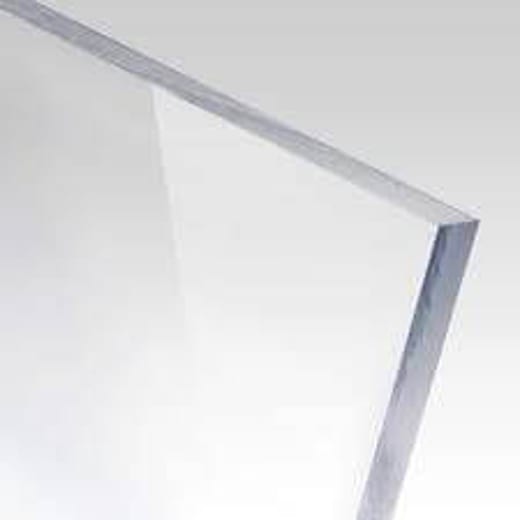

Why Cover a Heat Pump Hot Water Unit
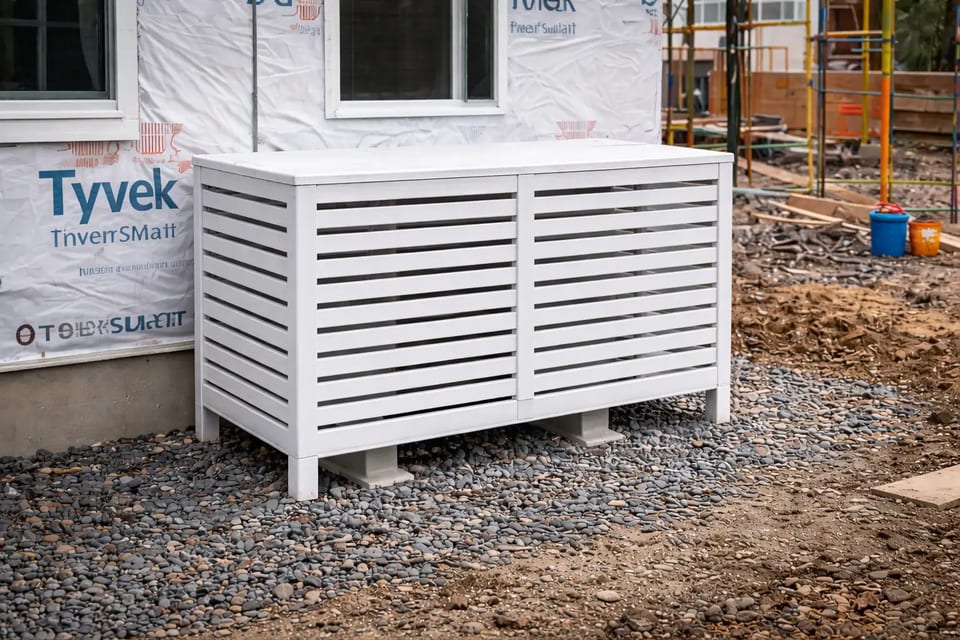
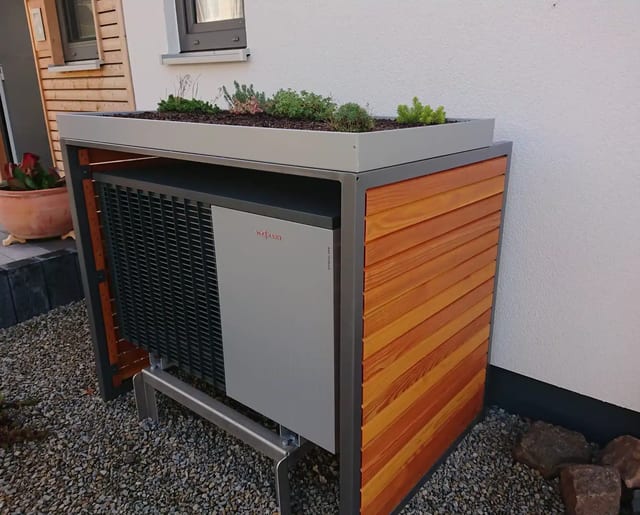
Heat pump hot water systems are bulkier than a standard split system condenser and typically run continuously, drawing in air and expelling cooler exhaust air around the clock. Left exposed on a side of house or carport wall, they are one of the more obvious pieces of equipment on a property.
A well designed cover screens the unit from the street or neighbouring yard, shields it from direct weather, and can reduce the visual clutter around an otherwise tidy exterior, all while keeping the intake and exhaust airflow the unit needs to run efficiently.
Material Options for Heat Pump Covers
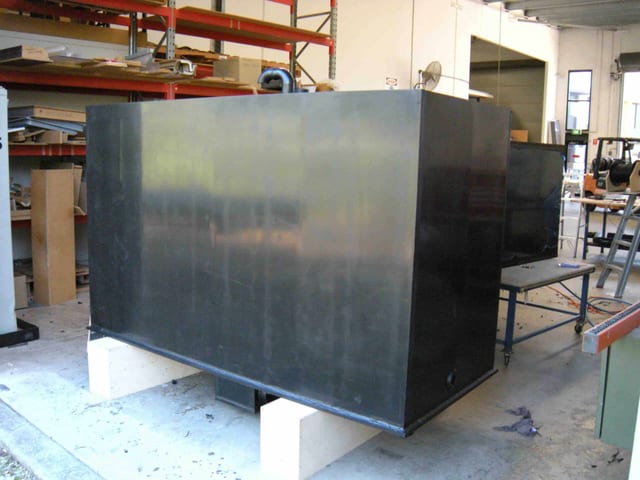
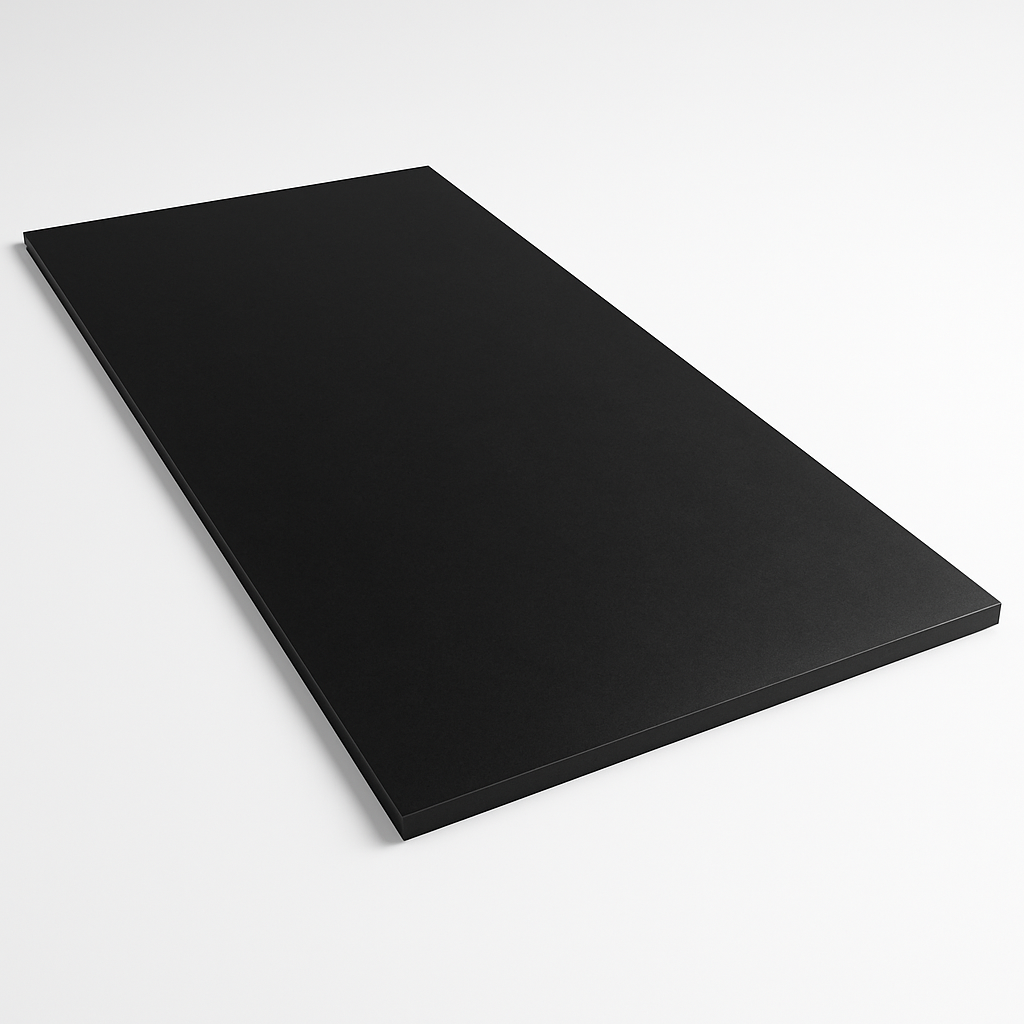
HDPE is our top recommendation for units that run continuously outdoors. It will not corrode, rot or absorb moisture like timber or untreated metal, and it holds its shape and colour under constant UV exposure, which matters for a unit that is rarely switched off.
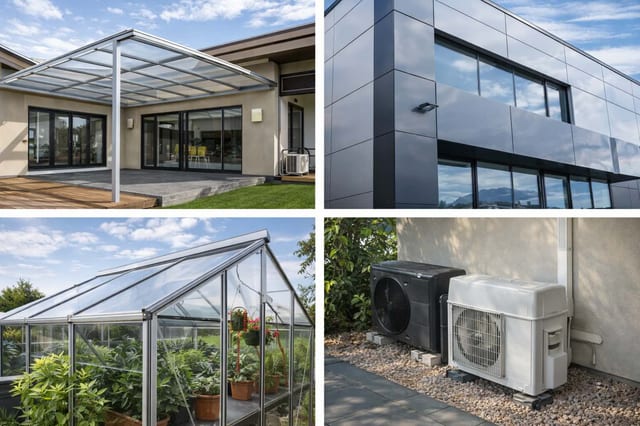
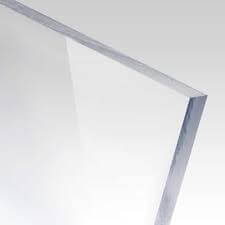
Polycarbonate is a strong alternative where impact resistance matters, such as covers near a driveway or shared access path. For a more decorative finish, acrylic can be laser cut into a slatted screen pattern, and an ACM panel gives a flat, powder-coated look that blends into modern render and cladding facades.

Sizing and Airflow Requirements
Because heat pumps are physically larger than split system condensers, covers typically need 5-6 mm sheet or heavier for adequate rigidity across the span, and where a fully enclosed look is wanted, a light aluminium subframe supporting multiple panels works well.
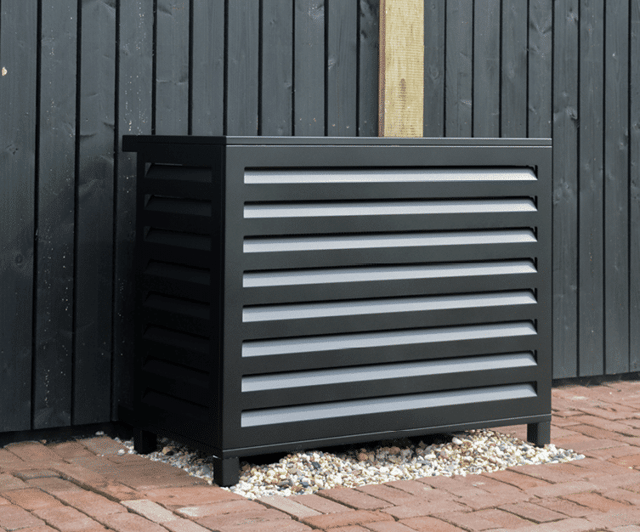
Generous slotted or louvred openings are essential on both the intake and exhaust faces, and manufacturer clearance distances (check your unit's installation manual, commonly 500 mm to 1 metre on the exhaust side) must be maintained so airflow is never restricted.
Installation Tips
Mount on standoffs so air can move freely around all sides of the unit, not just through the louvred face. Use stainless or nylon fixings to avoid rust staining, and if the cover sits close to a fence line, check local council or strata requirements, since some heat pump installs have setback rules for noise.
Leave the top of the enclosure open or add a simple sloped roof panel to shed rain rather than sealing the unit in completely, which helps prevent moisture build-up around electrical components.
Why Choose Perspex Online
Our plastic fabrication team can build a multi-panel enclosure to your measurements, or simply cut individual HDPE, polycarbonate or acrylic panels to size through our pricing calculator for a straightforward DIY cover.
Get a quote today and we will have your heat pump cover cut and shipped from our Gold Coast workshop to anywhere in Australia.
Featured Products
Products commonly used for this application.


Services Involved
Our services relevant to this use case.


Need help with your heat pump covers project?
Our engineers provide expert guidance on material selection, design optimisation, and fabrication.
Heat Pump Covers FAQ
What's the difference between a heat pump cover and an air conditioner cover?
What material handles constant outdoor exposure best?
Do heat pump covers need ventilation gaps?
Can you fabricate a fully enclosed acoustic style cover?
How is pricing worked out for a custom cover?
More in Building Construction and Infrastructure

Acrylic Light Diffuser Panels
Opal and diffuser acrylic and polycarbonate panels for even LED light spread in troffers, signage, and ceiling installations. Cut-to-size service available.
Read more
Plastic Packers, Shims & Window Packers
Window packers, horseshoe packers, glazing packers, and load-bearing plastic shims cut to any size and thickness. Trade quantities, custom sizes, and fast Australia-wide delivery.
Read more
Acrylic Balustrades
Acrylic and polycarbonate balustrade panels as a lightweight, shatterproof alternative to glass. Cut to size for decks, stairs, mezzanines, and pool fencing.
Read more
Pergola Roofing Panels
Polycarbonate pergola roofing panels cut to size. Transform open pergolas into weatherproof outdoor living spaces with clear, opal, or tinted roofing.
Read more
Patio Roofing Panels
Polycarbonate patio roofing panels cut to size. Clear, opal, and tinted options for covered patios, alfresco areas, and outdoor entertaining spaces.
Read more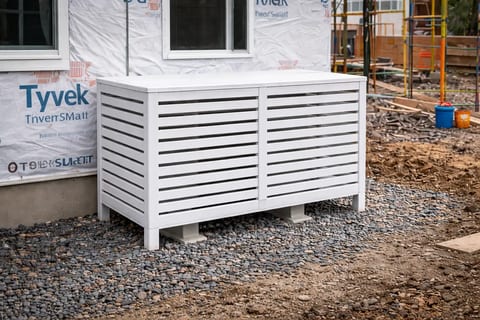
Polycarbonate Roofing Sheets
Polycarbonate roofing sheets cut to size for patios, pergolas, carports, and skylights. UV-protected, virtually unbreakable, and available in clear, opal, and tinted finishes.
Read moreRelated from other industries
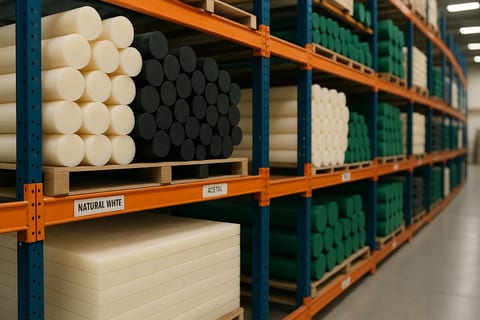
Engineering Plastic Trade Names & Equivalents
Cross-reference guide to engineering plastic trade names. Ertalon, Sustamid, Nylatron, Ertacetal, Sustarin, Polystone, Tivar, Ertalyte, and Simona matched to the nylon, acetal, UHMWPE, PET, and PVC we supply.
Read more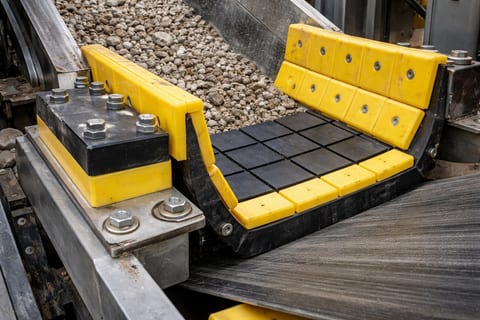
Conveyor Skirting & Transfer Point Sealing
UHMWPE and HDPE conveyor skirting boards, skirt liners, and transfer point sealing strips. Stop spillage and dust at load zones, cut to your chute and skirt dimensions.
Read more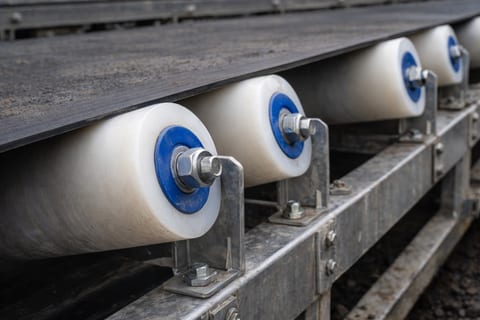
Plastic Sheaves, Pulleys & Rollers
Machined nylon and UHMWPE sheaves, rope pulleys, cable rollers, and guide wheels. Lighter than steel, kind to ropes and cables, machined to your drawing.
Read moreReady to start your heat pump covers project?
Join thousands of businesses across Australia who trust Perspex Online for precision-cut industrial plastics.
Guides & articles
Top 10 Ordering Mistakes With Plastic Materials (And How to Avoid Them)
Avoid common plastic ordering errors by selecting proper thickness, material type, and UV resistance; ensuring precise measurements; considering tolerances; and consulting suppliers for smooth, cost-effective projects.
Read guide →applicationsPlastic Wear Parts for Conveyor Belts: Materials, Applications, and Buying Guide
Conveyor Belts Conveyor belts fail for one simple reason: wear. Friction, abrasion, impact, moisture, and contamination slowly destroy metal components and belts, driving up downtime and maintenance costs. That is why plastic wearable parts on conveyor belts are now standard across food processing, packaging, mining, recycling, and manufacturing lines. This guide breaks down where plastic […]
Read guide →guidesThe Ultimate Guide to Choosing Cut-to-Size Plastic Sheets for Trade and DIY Projects
Guide to cut-to-size plastic sheets: choose the right material (acrylic for clarity, polycarbonate for strength), select proper thickness and finish for durability and look, and use precision cutting and custom fabrication for best results.
Read guide →fabricationFrom CAD to Cut: The Science and Technology Behind Precision Cut-to-Size Plastics
Perspex Online uses advanced CAD/CAM, CNC routing, and laser cutting technologies for precise, high-quality plastic fabrication. They offer diverse materials, eco-friendly options, instant quotes, nationwide delivery, and expert support.
Read guide →guidesTop Plastic Material Problems-and How Expert Cutting and Fabrication Prevent Them
Expert cutting and fabrication prevent common plastic issues like melting, chipping, cracking, and scratches. Precision CNC routing, laser cutting, and proper handling ensure durable, high-quality results.
Read guide →materials7 Types of Plastic and Their Resin Identification Codes (RICs)
We’re surrounded by plastic-from food containers to clothing, it is very unmistakably a part of modern life. Not all plastics are created equal, though. Knowing the various kinds of plastic and their corresponding Resin Identification Codes (RICs) is fundamental to recycling and reuse, as well as in choosing products we consume. The resins used for […]
Read guide →