
Protective Barriers
Custom protective barriers in polycarbonate, acrylic, HDPE, and PVC for machine guarding, workplace safety, and public spaces. Cut to fit.
4.8 / 5
Google Rating
24hr
Quote Turnaround
Australia Wide
Delivery
Start Your Project
Partner with Australia's leading acrylic fabrication experts. We provide end-to-end support from material selection to final delivery.
Material Consultation
Our engineers help you select the optimal grade for your specific environmental and aesthetic requirements.
CAD Support
Send us your designs in DXF, DWG, or PDF. We review every file for structural integrity and precision cutting paths.
Fast Quoting
Receive a comprehensive technical specification and competitive quote within 24 hours of your submission.
Recommended Materials
Selecting the right base material for this application.
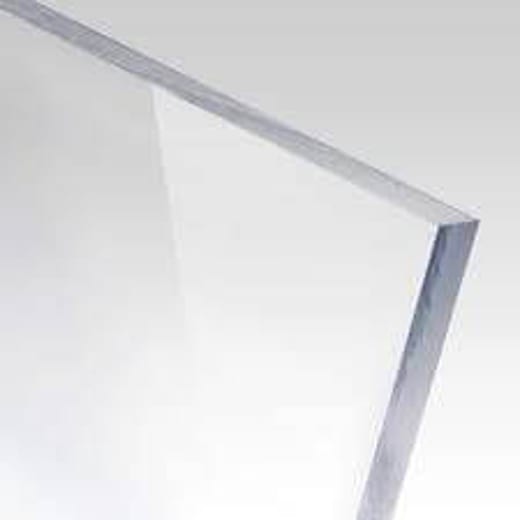

Custom Protective Barriers for Workplaces and Public Spaces
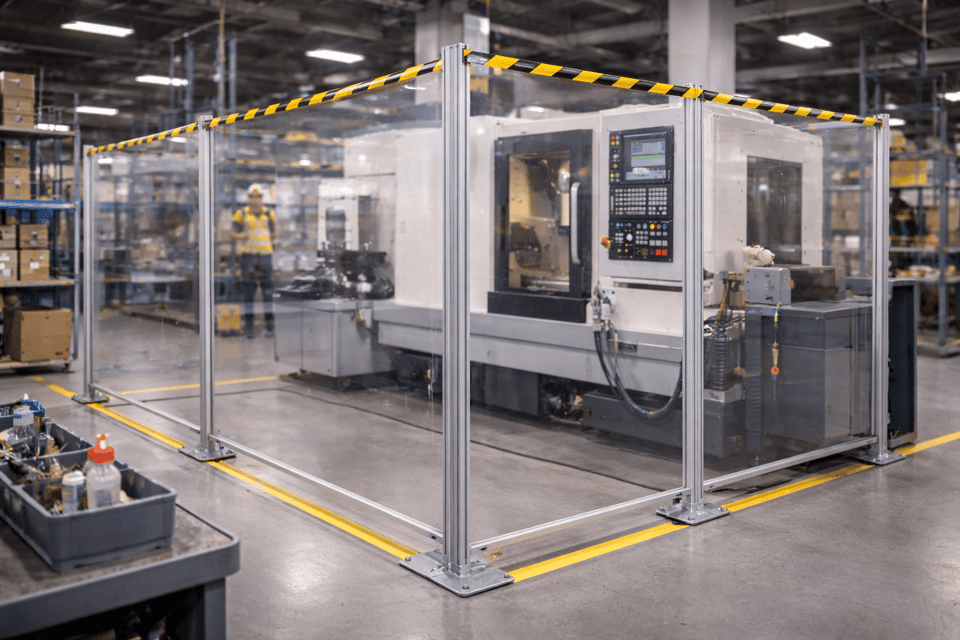
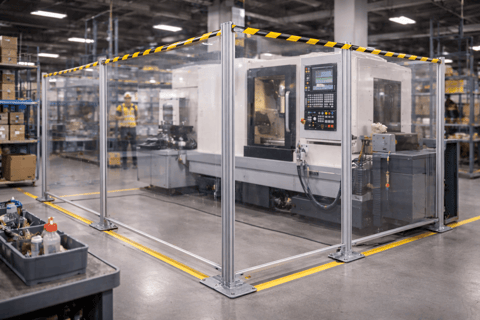
A protective barrier's job is to physically separate people from a hazard, whether that is moving machinery, a work area, a queue, or another person, without blocking visibility or airflow more than necessary. Cut from a rigid plastic sheet, a barrier can be shaped to fit an exact opening, fitted with cut-outs for pass-through or ventilation, and mounted to existing structures or a standalone frame.
Because barriers are custom cut, they can address awkward or non-standard openings that off-the-shelf screens do not fit well.
Choosing the Right Material for the Risk Level
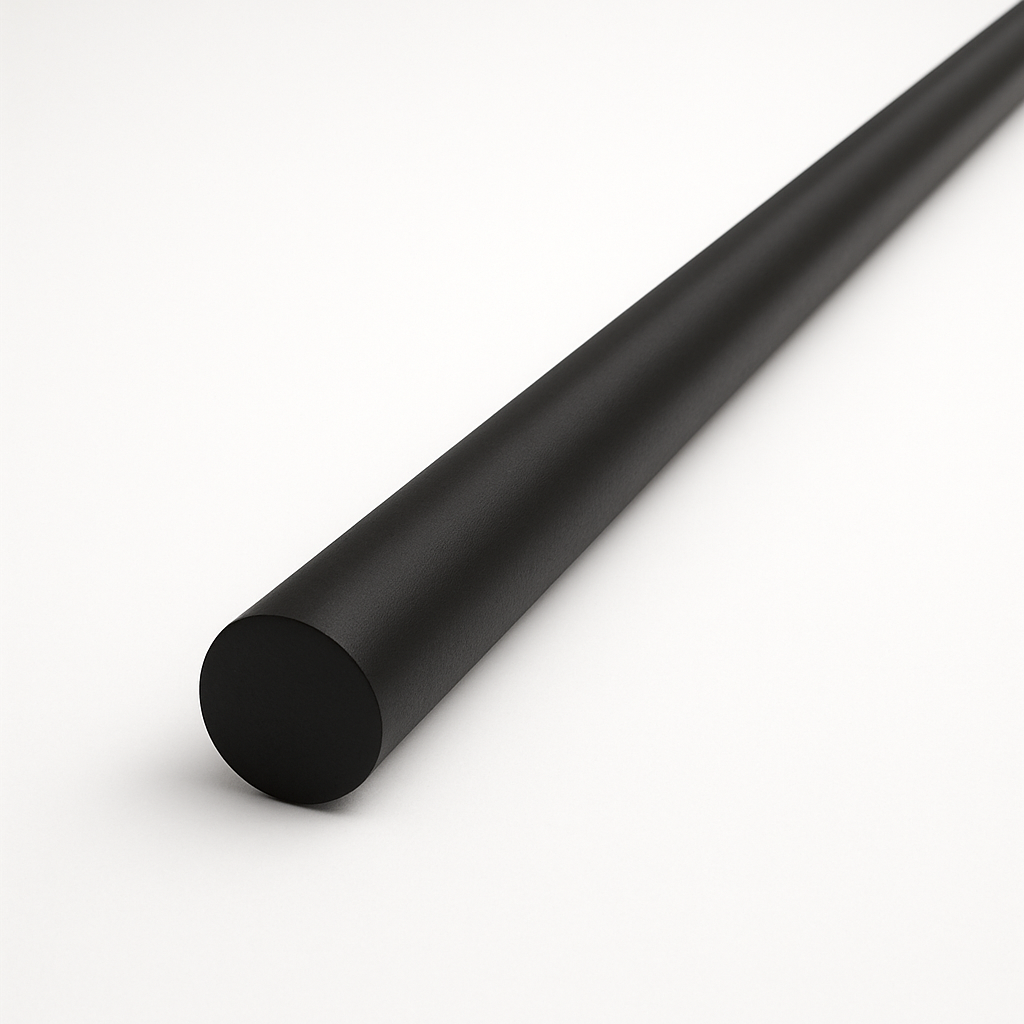
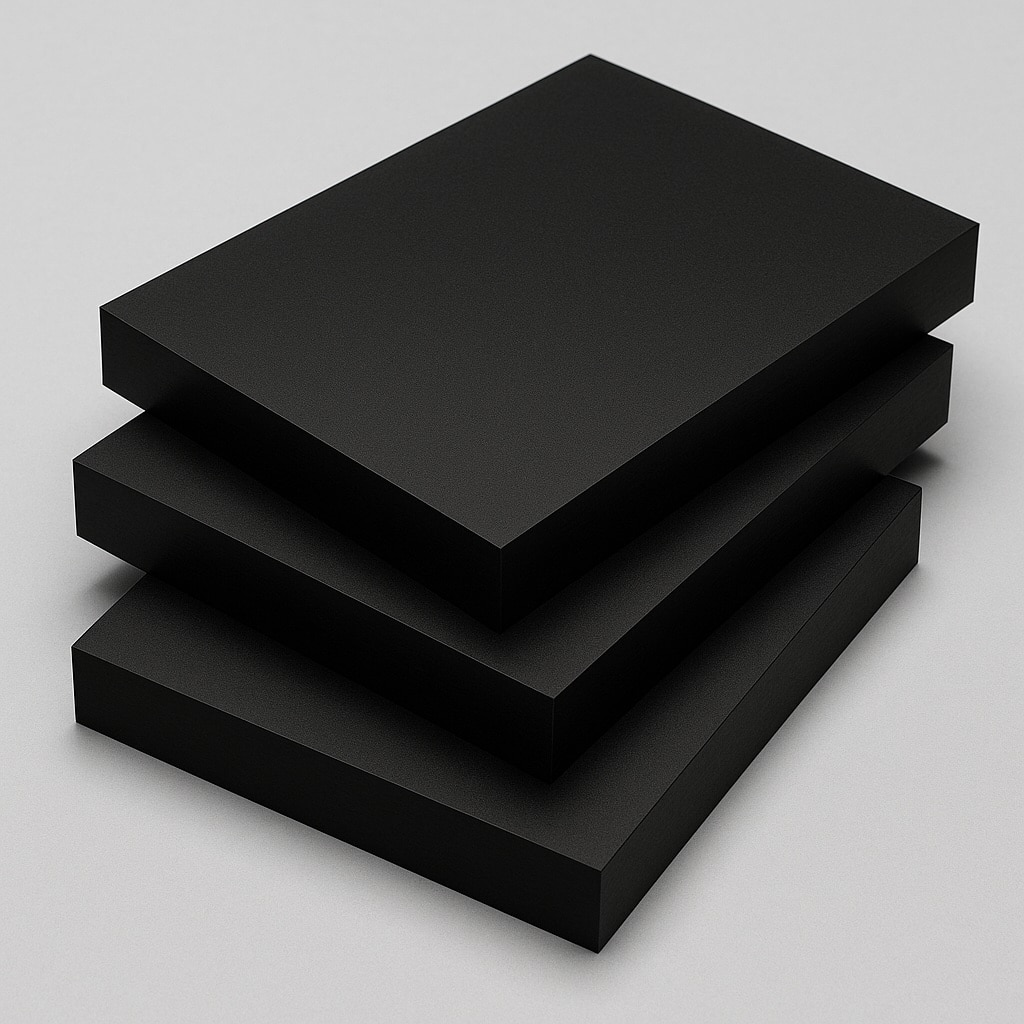
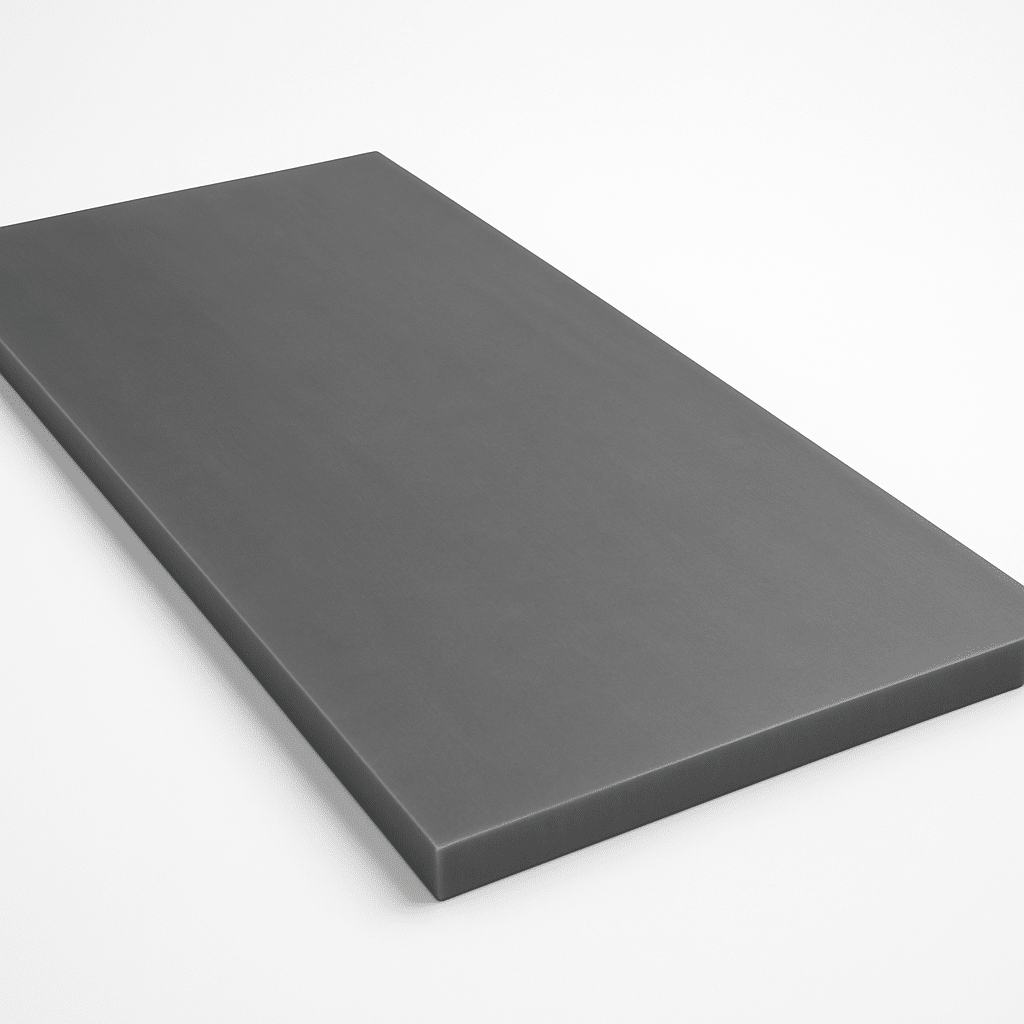
The right material depends on what the barrier needs to protect against. Polycarbonate sheet is the standard choice where impact resistance matters, such as machine guarding or barriers in public areas prone to knocks. Acrylic sheet suits lower-risk indoor barriers where optical clarity is the priority and impact risk is minimal.
HDPE sheet is a tough, chemical-resistant option for industrial and food-processing barriers that need regular washdown, while rigid PVC sheet offers a cost-effective, easily fabricated option for general-purpose barriers that do not need full transparency.
Cut-Outs, Frames, and Mounting Systems
Barriers are cut with pass-through slots, service cut-outs, or ventilation holes as required, and can be supplied as flat panels for site mounting or fully framed with aluminium or plastic edging for a freestanding barrier. Rounded corners and smoothed edges are standard practice on any barrier likely to be near foot traffic.
Mounting can be direct to a wall or bench, clamped to an existing rail system, or built into a standalone frame with a stable base for portable barriers.
Temporary and Relocatable Barrier Systems
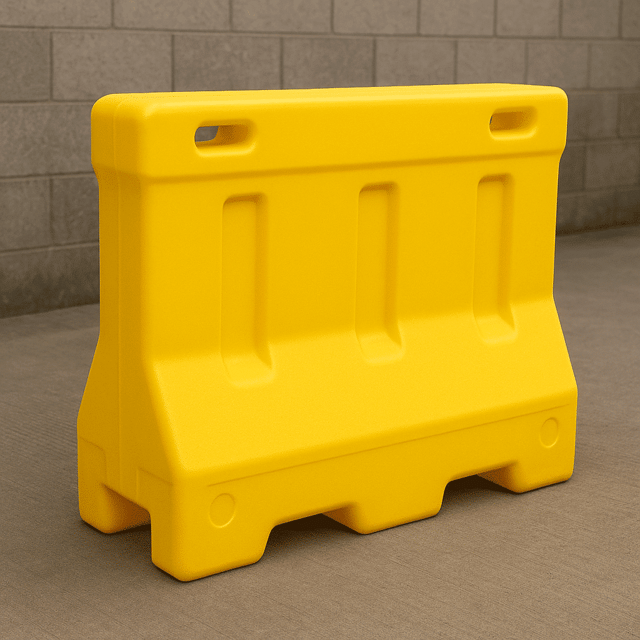
Not every barrier needs to be permanently fixed. Freestanding barriers with weighted bases or interlocking panel systems can be repositioned as work zones, queue layouts, or event configurations change, giving site managers the flexibility to respond to changing operational needs without modifying fixed structures.
For construction sites, maintenance shutdowns, and events, lightweight polycarbonate or HDPE barrier panels are tough enough to withstand knocks and weather while remaining light enough for a single person to move and reposition without equipment.
Where Protective Barriers Are Commonly Used
We supply protective barriers for machine guarding on factory floors, workplace safety screens between workstations, barrier panels around loading docks and forklift routes, and general public-facing safety screens in retail and hospitality settings.
Send us the opening dimensions, the hazard the barrier needs to address, and any cut-out requirements, and we will recommend a material and thickness suited to the risk level.
Featured Products
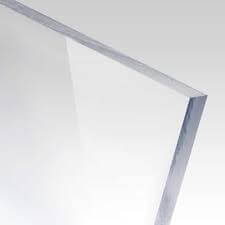
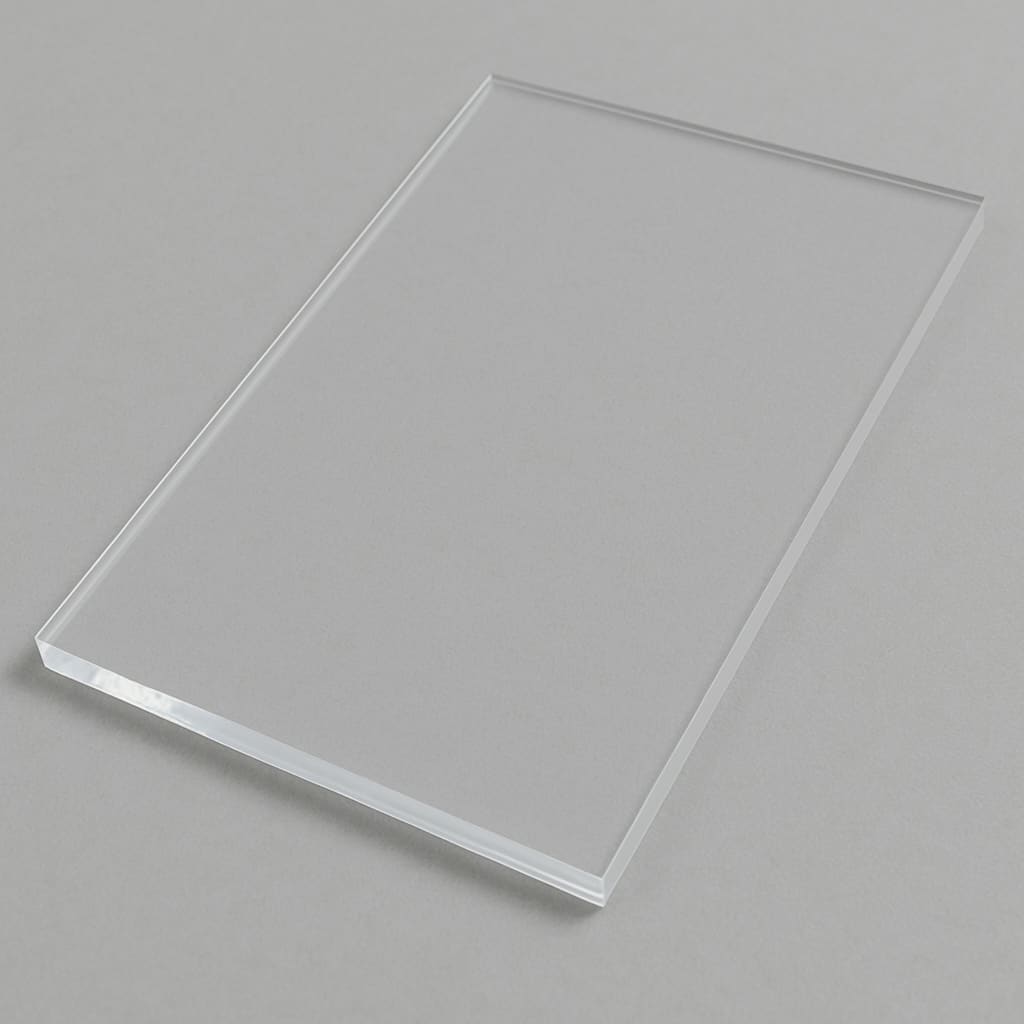
Products commonly used for this application.

Services Involved
Our services relevant to this use case.


Need help with your protective barriers project?
Our engineers provide expert guidance on material selection, design optimisation, and fabrication.
Protective Barriers FAQ
What material is best for a machine guard barrier?
Can protective barriers include pass-through openings?
Do you supply barriers with a freestanding frame?
How is barrier thickness determined?
Can protective barriers be moved and repositioned?
More in Safety Protection and Compliance
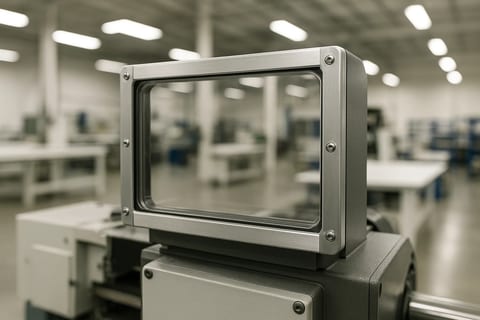
Polycarbonate Safety Glazing
Near-unbreakable polycarbonate safety glazing for machine guards, security screens and vandal-prone applications. Available cut-to-size with UV-stabilised grades for indoor and outdoor use.
Read more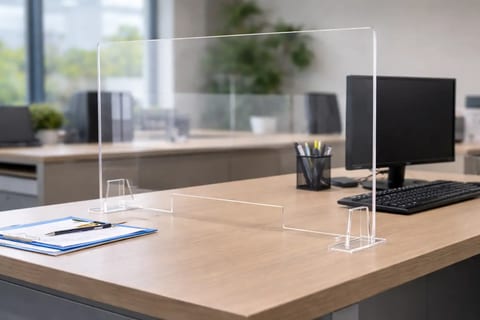
Safety Screens
Custom safety screens for counters, desks, and reception areas in clear acrylic or polycarbonate. Freestanding, clamp-on, and fixed options.
Read more
Sneeze Guards
Custom sneeze guards in acrylic and polycarbonate for buffets, bakeries, and food counters. Straight, angled, and curved shapes cut to fit.
Read more
Plastic Windbreaks
Plastic materials are widely used for windbreak systems because they provide transparency, impact resistance, and corrosion resistance, while remaining lighter than glass or metal alternatives.…
Read moreRelated from other industries
Splash Guards for Veterinary Clinics & Animal Wash Stations
PVC splash guards and wet area wall linings for veterinary treatment rooms, animal wash stations, grooming parlours, and kennel wash bays. Moisture-proof, easy to remove and clean.
Read more Cage & Aviary Panels for Bird Rescue and Wildlife Rehab
Large-format PVC panels for flight aviaries, bat houses, bird rehabilitation enclosures, and wildlife housing. Cut to size, drilled for ventilation, and built to withstand daily hosing.
Read more Animal Shelter Kennel Dividers & Pound Panels
Modular PVC kennel dividers and pen panels for animal shelters, council pounds, boarding kennels, and RSPCA facilities. Moisture-proof, easy to disinfect, and built to your kennel dimensions.
Read moreReady to start your protective barriers project?
Join thousands of businesses across Australia who trust Perspex Online for precision-cut industrial plastics.
Guides & articles
Top 10 Ordering Mistakes With Plastic Materials (And How to Avoid Them)
Avoid common plastic ordering errors by selecting proper thickness, material type, and UV resistance; ensuring precise measurements; considering tolerances; and consulting suppliers for smooth, cost-effective projects.
Read guide →applicationsPlastic Wear Parts for Conveyor Belts: Materials, Applications, and Buying Guide
Conveyor Belts Conveyor belts fail for one simple reason: wear. Friction, abrasion, impact, moisture, and contamination slowly destroy metal components and belts, driving up downtime and maintenance costs. That is why plastic wearable parts on conveyor belts are now standard across food processing, packaging, mining, recycling, and manufacturing lines. This guide breaks down where plastic […]
Read guide →guidesThe Ultimate Guide to Choosing Cut-to-Size Plastic Sheets for Trade and DIY Projects
Guide to cut-to-size plastic sheets: choose the right material (acrylic for clarity, polycarbonate for strength), select proper thickness and finish for durability and look, and use precision cutting and custom fabrication for best results.
Read guide →fabricationFrom CAD to Cut: The Science and Technology Behind Precision Cut-to-Size Plastics
Perspex Online uses advanced CAD/CAM, CNC routing, and laser cutting technologies for precise, high-quality plastic fabrication. They offer diverse materials, eco-friendly options, instant quotes, nationwide delivery, and expert support.
Read guide →guidesTop Plastic Material Problems-and How Expert Cutting and Fabrication Prevent Them
Expert cutting and fabrication prevent common plastic issues like melting, chipping, cracking, and scratches. Precision CNC routing, laser cutting, and proper handling ensure durable, high-quality results.
Read guide →materials7 Types of Plastic and Their Resin Identification Codes (RICs)
We’re surrounded by plastic-from food containers to clothing, it is very unmistakably a part of modern life. Not all plastics are created equal, though. Knowing the various kinds of plastic and their corresponding Resin Identification Codes (RICs) is fundamental to recycling and reuse, as well as in choosing products we consume. The resins used for […]
Read guide →