
Skylights
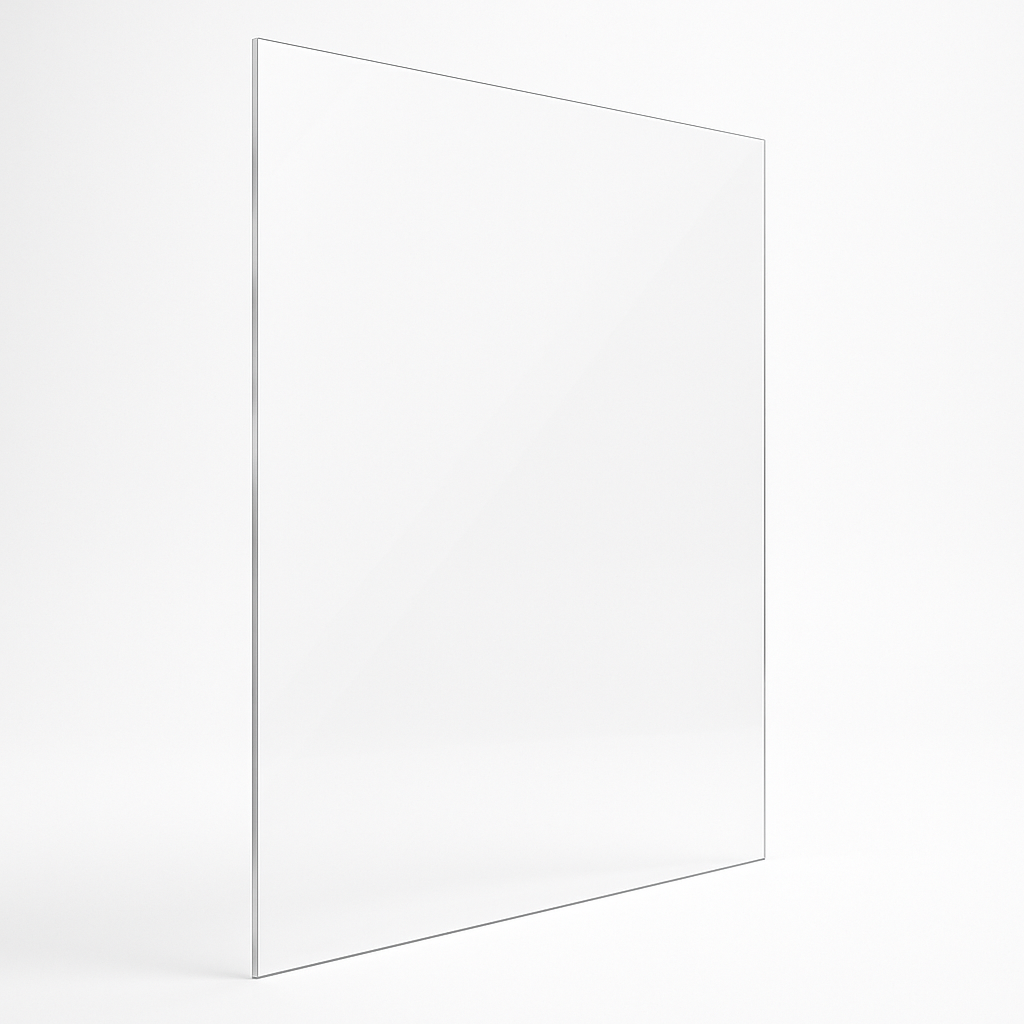
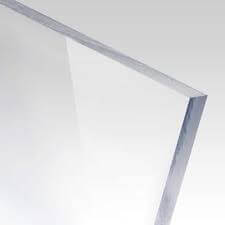
Clear and opal acrylic and polycarbonate skylight domes and flat panels. Impact resistant, UV stable glazing cut to size for new builds and skylight replacements.
4.8 / 5
Google Rating
24hr
Quote Turnaround
Australia Wide
Delivery
Start Your Project
Partner with Australia's leading acrylic fabrication experts. We provide end-to-end support from material selection to final delivery.
Material Consultation
Our engineers help you select the optimal grade for your specific environmental and aesthetic requirements.
CAD Support
Send us your designs in DXF, DWG, or PDF. We review every file for structural integrity and precision cutting paths.
Fast Quoting
Receive a comprehensive technical specification and competitive quote within 24 hours of your submission.
Recommended Materials
Selecting the right base material for this application.
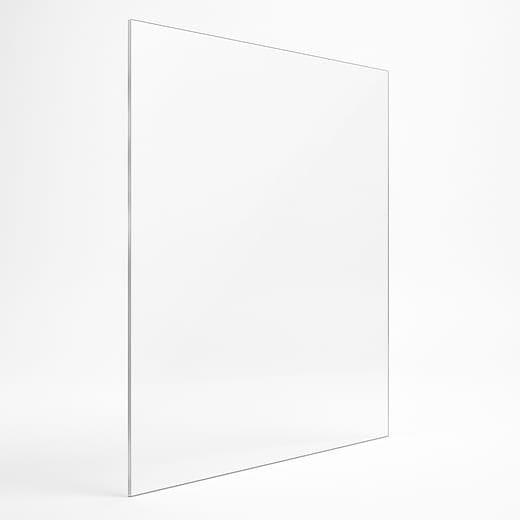
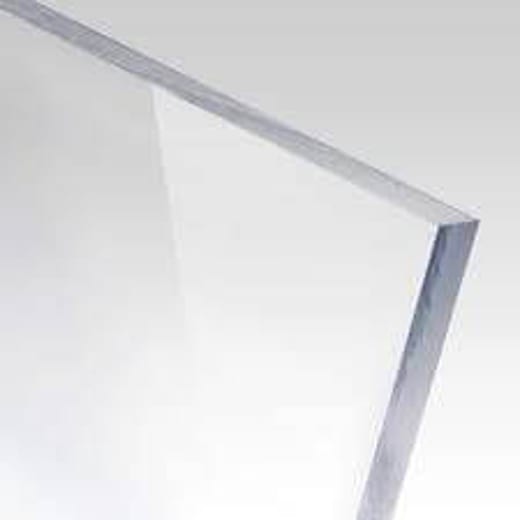
Bringing Natural Light in with Skylight Glazing
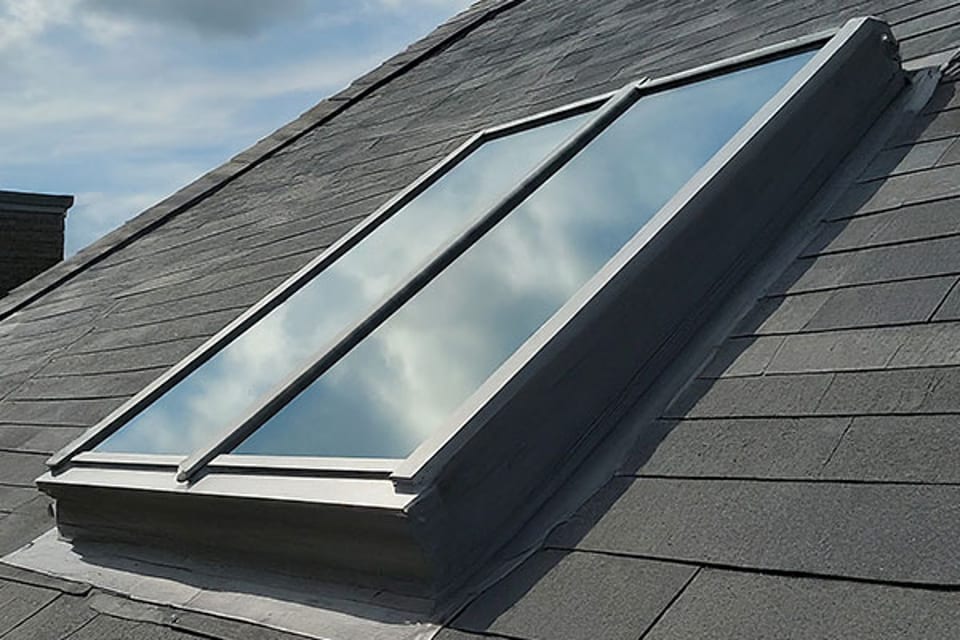
Skylights are one of the simplest ways to bring natural daylight into a hallway, bathroom, laundry or living space without cutting electricity use, and the glazing panel itself does most of the work: how much light comes through, how evenly it is diffused, and how well it stands up to sun, hail and general weather over the years.
Whether you are installing a new skylight during a build or renovation, or replacing a cloudy, cracked or leaking dome on an existing roof, getting the right material and profile makes a real difference to how the room below feels.
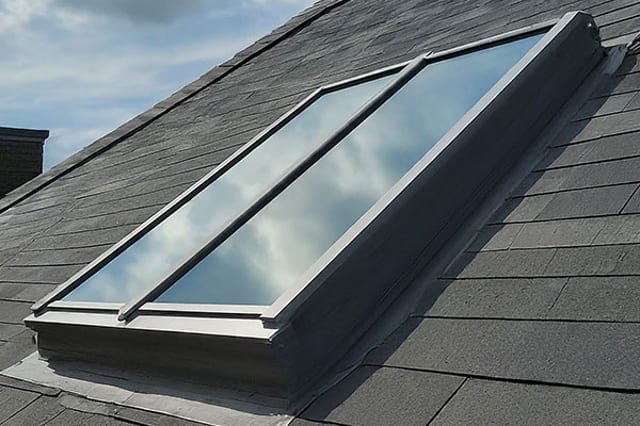
Acrylic vs Polycarbonate for Skylights
Acrylic (Perspex) is the traditional material for domed skylights, valued for its excellent optical clarity and long-term UV stability, meaning a dome installed today will still look clear and bright in ten years rather than yellowing or clouding over.
Polycarbonate is the better choice where impact resistance is the priority, for example skylights near overhanging trees, on properties in hail-prone regions, or flat roof lights that occasionally see foot traffic during maintenance. Its higher impact strength gives real peace of mind over acrylic in those situations.
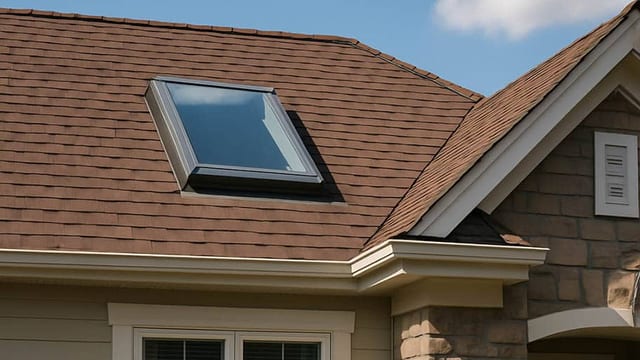
Clear, Opal and Diffuser Options
Clear panels let in the most light and are suited to spaces wanting maximum brightness, such as stairwells or hallways. An opal or prismatic diffuser panel scatters incoming light evenly across the ceiling and room below rather than casting a single harsh beam, which is the standard choice for most residential skylights since it softens glare and avoids hot spots on flooring or furniture.
Flat skylight panels are typically 3-6 mm, with the thicker end used across larger spans or higher wind exposure zones, and twin-wall polycarbonate is worth considering where extra insulation against heat loss is also a priority.
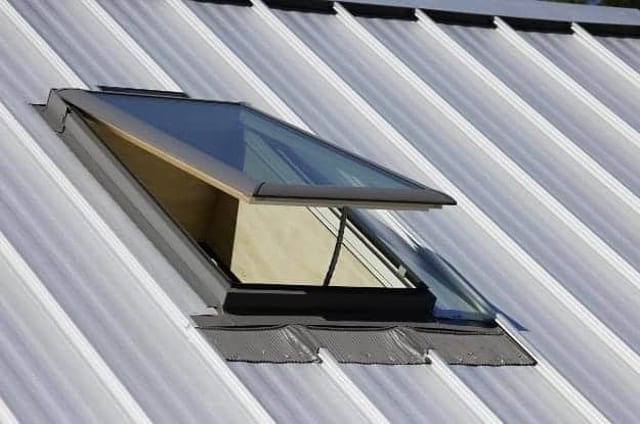
Installation and Replacement Tips
For a straightforward flat panel replacement, measure the existing upstand or frame opening carefully, including any rebate the old panel sat into, and allow a small clearance for expansion. Always check the roof flashing and seal condition while the old panel is out, since a failed flashing is a more common cause of leaks than the panel itself.
For domed skylights, replacement domes are usually a standard size to suit common commercial skylight bases, so confirm your base dimensions before ordering a new dome.
Why Choose Perspex Online
Get a quote for a cut-to-size skylight panel through our pricing calculator, choosing acrylic or polycarbonate, clear or opal, and the exact frame dimensions you need.
We ship every order Australia-wide from our Gold Coast workshop, and our team is happy to advise on the right thickness and finish for your specific roof and climate.
Featured Products
Products commonly used for this application.

Services Involved
Our services relevant to this use case.


Need help with your skylights project?
Our engineers provide expert guidance on material selection, design optimisation, and fabrication.
Skylights FAQ
Should I use acrylic or polycarbonate for a skylight?
Can you cut a replacement flat skylight panel to my existing frame size?
What is an opal or diffuser skylight panel?
How thick should a flat skylight panel be?
Do your skylight panels block UV rays?
More in Building Construction and Infrastructure
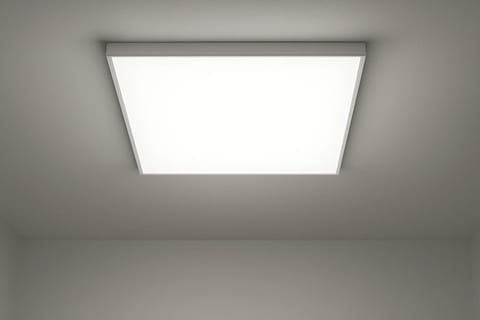
Acrylic Light Diffuser Panels
Opal and diffuser acrylic and polycarbonate panels for even LED light spread in troffers, signage, and ceiling installations. Cut-to-size service available.
Read more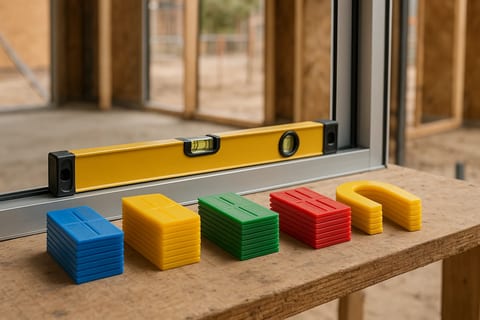
Plastic Packers, Shims & Window Packers
Window packers, horseshoe packers, glazing packers, and load-bearing plastic shims cut to any size and thickness. Trade quantities, custom sizes, and fast Australia-wide delivery.
Read more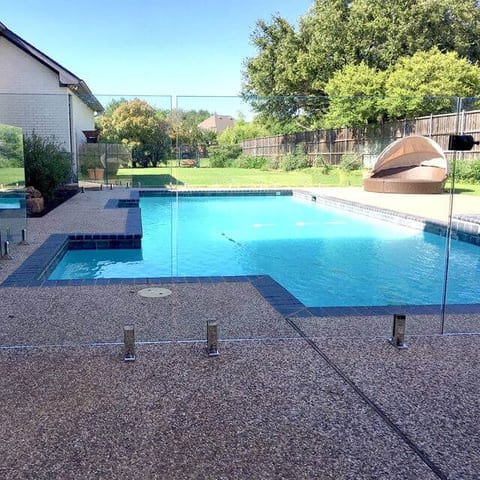
Acrylic Balustrades
Acrylic and polycarbonate balustrade panels as a lightweight, shatterproof alternative to glass. Cut to size for decks, stairs, mezzanines, and pool fencing.
Read more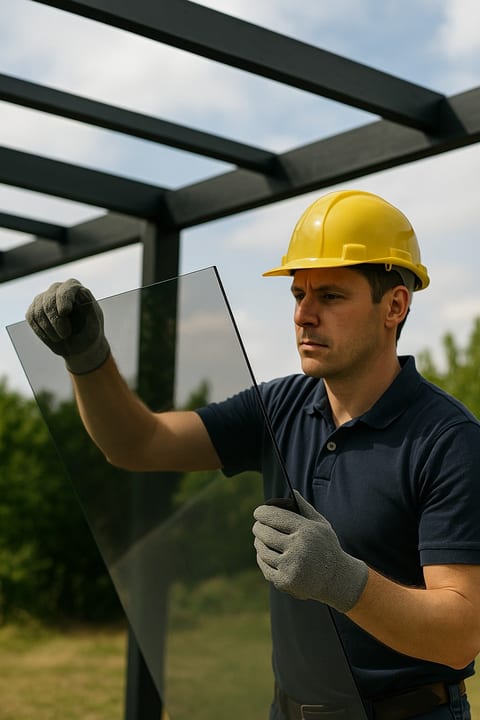
Pergola Roofing Panels
Polycarbonate pergola roofing panels cut to size. Transform open pergolas into weatherproof outdoor living spaces with clear, opal, or tinted roofing.
Read more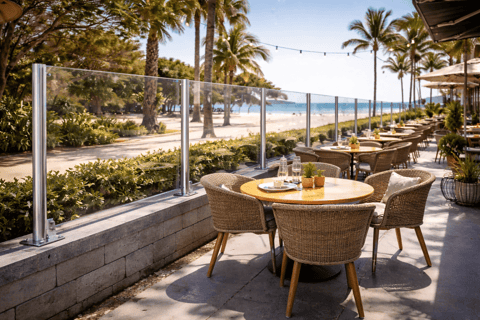
Patio Roofing Panels
Polycarbonate patio roofing panels cut to size. Clear, opal, and tinted options for covered patios, alfresco areas, and outdoor entertaining spaces.
Read more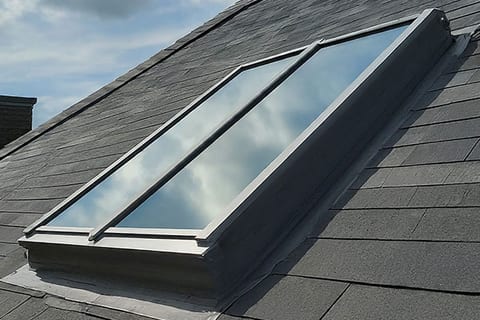
Polycarbonate Roofing Sheets
Polycarbonate roofing sheets cut to size for patios, pergolas, carports, and skylights. UV-protected, virtually unbreakable, and available in clear, opal, and tinted finishes.
Read moreRelated from other industries
Lighting Diffuser Panels & Egg Crate Louvres
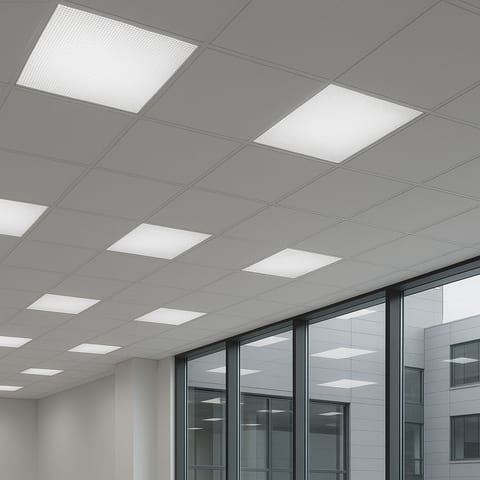
Light diffuser panels, prismatic diffusers, opal acrylic, and egg crate louvres cut to size for troffers, skylights, and LED fittings. Replacements for any fitting, delivered Australia-wide.
Read more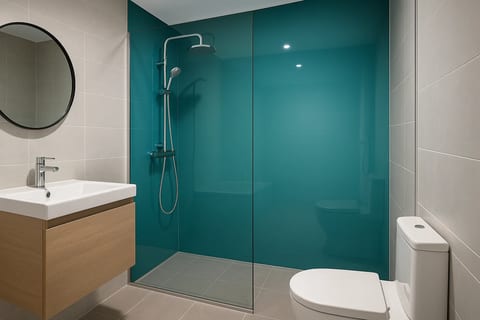
Acrylic Shower Wall Panels
Grout-free acrylic shower wall panels and splashback surrounds for seamless, waterproof bathroom finishes. DIY-friendly cut-to-size panels in clear, colour and tinted options.
Read more
Polycarbonate Safety Glazing
Near-unbreakable polycarbonate safety glazing for machine guards, security screens and vandal-prone applications. Available cut-to-size with UV-stabilised grades for indoor and outdoor use.
Read moreReady to start your skylights project?
Join thousands of businesses across Australia who trust Perspex Online for precision-cut industrial plastics.
Guides & articles
Top 10 Ordering Mistakes With Plastic Materials (And How to Avoid Them)
Avoid common plastic ordering errors by selecting proper thickness, material type, and UV resistance; ensuring precise measurements; considering tolerances; and consulting suppliers for smooth, cost-effective projects.
Read guide →guidesThe Ultimate Guide to Choosing Cut-to-Size Plastic Sheets for Trade and DIY Projects
Guide to cut-to-size plastic sheets: choose the right material (acrylic for clarity, polycarbonate for strength), select proper thickness and finish for durability and look, and use precision cutting and custom fabrication for best results.
Read guide →fabricationFrom CAD to Cut: The Science and Technology Behind Precision Cut-to-Size Plastics
Perspex Online uses advanced CAD/CAM, CNC routing, and laser cutting technologies for precise, high-quality plastic fabrication. They offer diverse materials, eco-friendly options, instant quotes, nationwide delivery, and expert support.
Read guide →guidesTop Plastic Material Problems-and How Expert Cutting and Fabrication Prevent Them
Expert cutting and fabrication prevent common plastic issues like melting, chipping, cracking, and scratches. Precision CNC routing, laser cutting, and proper handling ensure durable, high-quality results.
Read guide →applicationsThe Role of Perspex Signage and Branding
What is Perspex Signage? Perspex Signage refers to signs made from Perspex, a brand name for high-quality acrylic sheet. These signs utilise the excellent clarity, durability, and light weight of acrylic to make effective visual communication. They have high optical clarity that allows for bright and readable graphics. Their durability ensures them to last long, […]
Read guide →fabricationTips for Cutting, Shaping, and Working with Plastic Materials
Plastic is a versatile material used for various projects, starting from simple crafts and up to the more complicated engineering designs. However, plastic can be very tricky if you do not know the proper ways of using it. Here are some tips in cutting, shaping, and working with plastic materials effectively: Choosing the Right Tools […]
Read guide →