
Acrylic Aquarium Panels
Discover clear cast acrylic panels for custom aquariums, terrariums and reptile enclosures. Learn why cast acrylic beats glass for DIY builds and how to achieve seamless joints with solvent bonding.
4.8 / 5
Google Rating
24hr
Quote Turnaround
Australia Wide
Delivery
Start Your Project
Partner with Australia's leading acrylic fabrication experts. We provide end-to-end support from material selection to final delivery.
Material Consultation
Our engineers help you select the optimal grade for your specific environmental and aesthetic requirements.
CAD Support
Send us your designs in DXF, DWG, or PDF. We review every file for structural integrity and precision cutting paths.
Fast Quoting
Receive a comprehensive technical specification and competitive quote within 24 hours of your submission.
Recommended Materials
Selecting the right base material for this application.
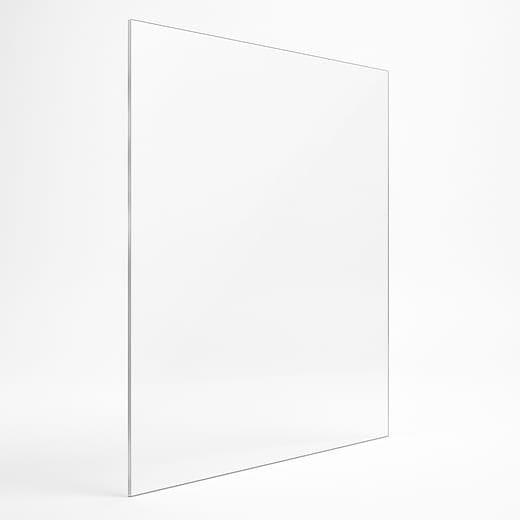
Why Choose Acrylic for Your Custom Aquarium Build
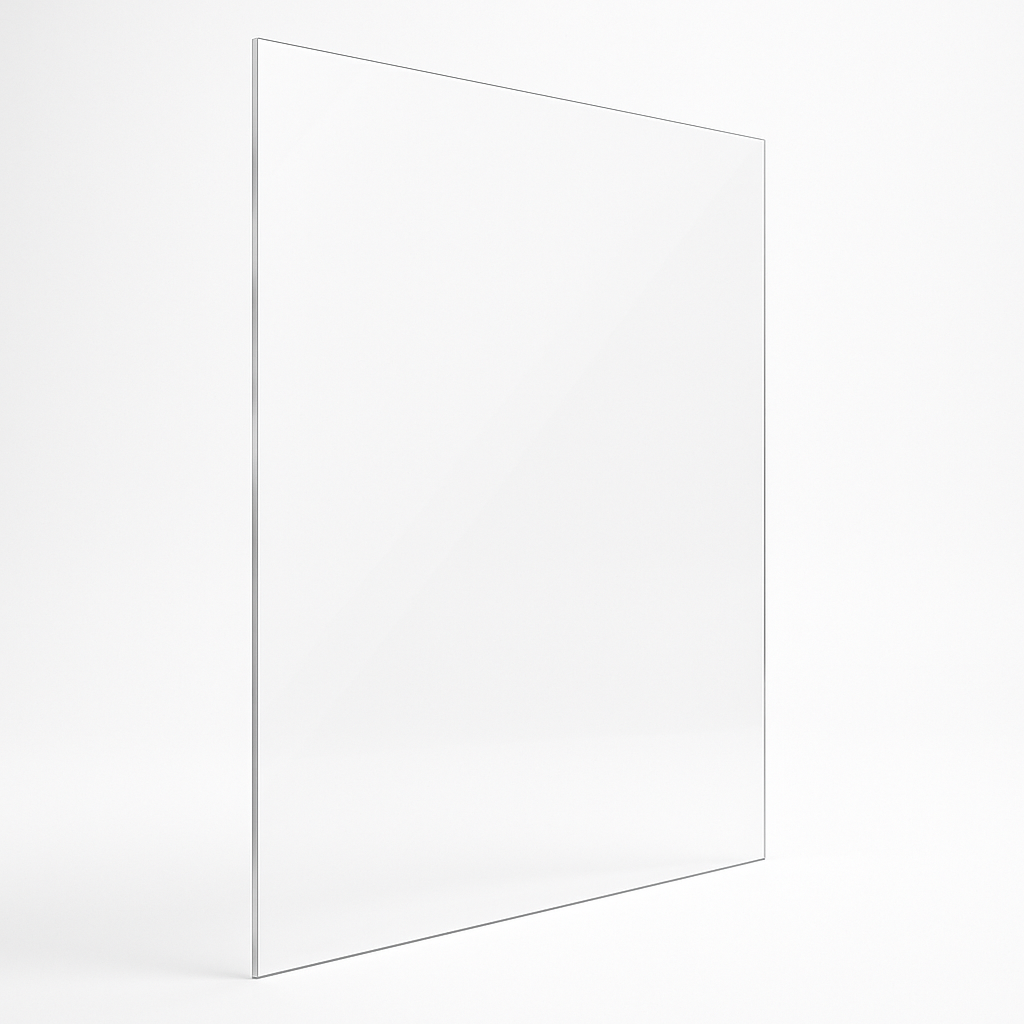
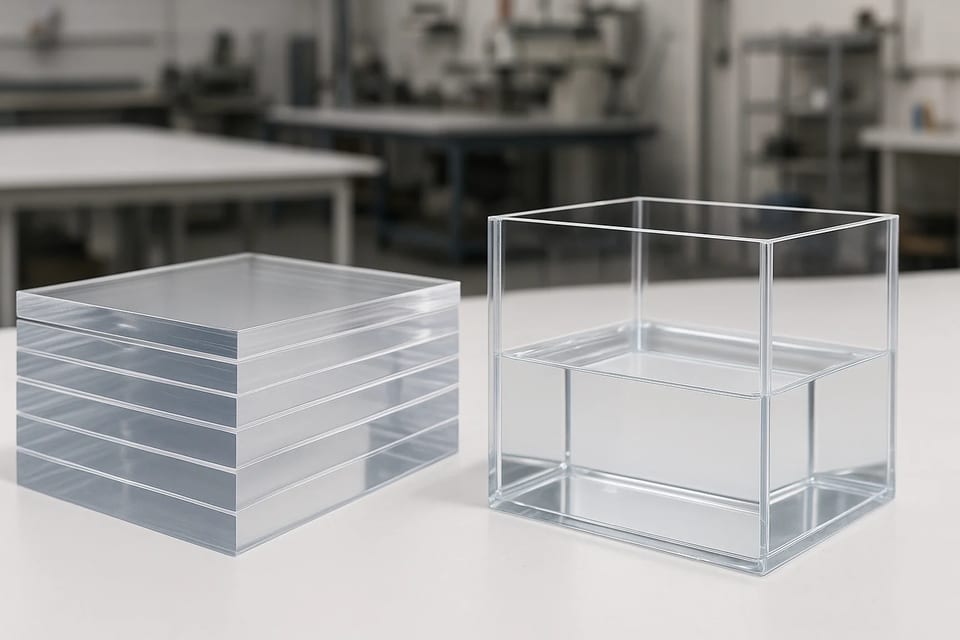
Building a custom aquarium, terrarium or reptile enclosure starts with the right material. Our acrylic sheet clear delivers the optical clarity and workability that DIY builders and professional fabricators demand. Unlike glass, acrylic won't shatter under impact, weighs considerably less, and machines beautifully for intricate designs.
Understanding Panel Thickness for Water Depth and Pressure
Getting the thickness right is critical for structural integrity. Water exerts hydrostatic pressure that increases with depth, so taller tanks and wider panels need proportionally thicker material. Factor in your maximum water level, panel span between supports, and intended species—aggressive fish and large reptiles may require additional robustness. When in doubt, opt for thicker panels rather than risking flex or failure.
Cast Acrylic vs. Glass: The Clear Advantage
Cast acrylic outperforms glass on every practical measure for aquarium construction. It transmits light beautifully without the greenish cast of thick glass, insulates better for stable water temperatures, and forgives minor impacts that would crack or shatter glass. For large displays, the weight savings are substantial—easier to manoeuvre during build and safer long-term for timber cabinetry.
Perspex®: Premium Clarity for Demanding Builds
For projects where optical perfection matters, acrylic sheet Perspex represents the gold standard. Perspex offers exceptional surface hardness, chemical resistance, and that signature water-white clarity that makes colours pop. It's the material of choice for public aquaria and discerning home enthusiasts alike.
Achieving Seamless Joints with Solvent Bonding
The secret to professional-looking aquariums is invisible joins. Acrifix 192 is a solvent adhesive specifically formulated for acrylic that chemically welds panels together. Applied correctly to prepared edges, it creates molecular bonds stronger than the material itself. Work in a ventilated space, clamp panels precisely, and allow adequate curing time before pressure testing.
Precision Cutting and Finishing Services
Accurate dimensions are essential for successful solvent bonding. Our cut-to-size service delivers panels cut to your exact specifications, with clean edges ready for bonding.
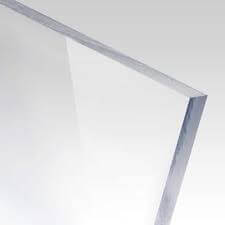
For the finest results, add edge-polishing to transform saw-cut edges into glossy, optically clear surfaces. This maximises the contact area for adhesive and produces that professional aquarium aesthetic. For complex builds requiring specialised shaping or drilling, our plastic fabrication team can assist with advanced techniques.
Beyond Aquariums: Terrariums and Reptile Enclosures
The same properties that make acrylic ideal for aquariums translate perfectly to terrestrial habitats. Terrariums benefit from the material's excellent light transmission for plant growth, while reptile enclosures gain impact resistance against scratches and thermal shock resistance for heating elements. The ability to drill ventilation holes and create custom feeding access points without risk of cracking makes acrylic the logical choice for serious herpetology enthusiasts.
Ready to Start Your Build?
Browse our clear acrylic sheets and configure your cut-to-size specifications online. Need guidance on thickness selection or bonding technique? Our team understands aquarium construction and can help optimise your material choices. Start with quality materials and proper preparation—your aquatic inhabitants will thank you for it.
Featured Products
Products commonly used for this application.


Services Involved
Our services relevant to this use case.

Need help with your acrylic aquarium panels project?
Our engineers provide expert guidance on material selection, design optimisation, and fabrication.
Acrylic Aquarium Panels FAQ
How thick should an acrylic aquarium panel be?
Why choose acrylic over glass for aquariums?
Do you cut aquarium panels to exact dimensions?
Is Perspex® the same as acrylic aquarium panels?
More in Home Leisure and Custom Projects

Custom Perspex Trophies & Acrylic Awards
Custom laser-cut and engraved Perspex trophies, corporate awards, and presentation pieces. Clear and coloured acrylic options. Ships Australia-wide.
Read more
Perspex Photo Frames & Clear Acrylic Picture Stands
Crystal-clear Perspex picture frames, block frames, and photo stands. Custom cut-to-size acrylic with polished edges. Ships Australia-wide from the Gold Coast.
Read more
Plastic Tabletops
Custom-cut acrylic, HDPE and polycarbonate tabletops and protective covers. Any shape, any size, polished edges, made to order in Australia.
Read more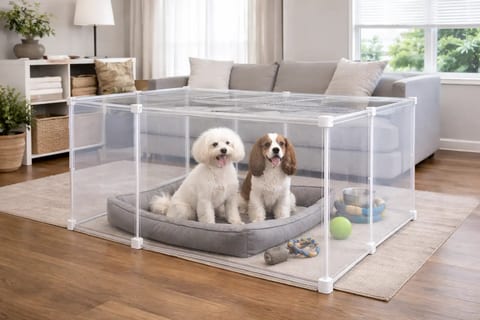
Plastic Pet Enclosures
Custom plastic panels for reptile enclosures, aviaries and pet housing. Clear acrylic, tough polycarbonate and HDPE, cut to size in Australia.
Read more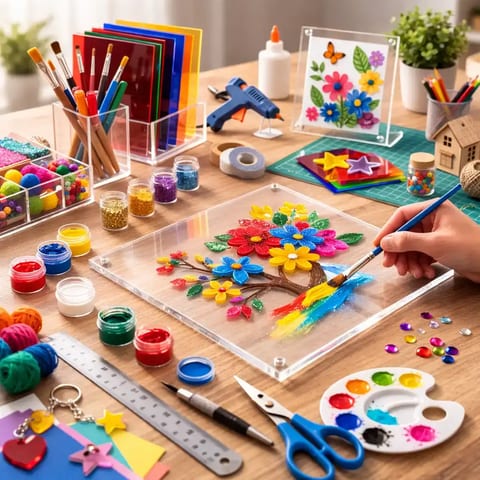
Arts & Crafts Projects
Cut-to-size acrylic, mirror and foam PVC sheet for arts, crafts and hobby projects. Small quantities, custom shapes, laser-cut detail work welcome.
Read more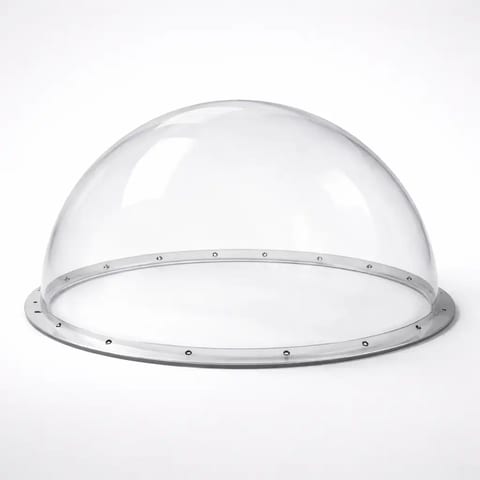
Acrylic Domes
Custom vacuum-formed acrylic domes and covers for displays, skylights and equipment housings. Clear cast acrylic, formed to size on the Gold Coast.
Read moreRelated from other industries
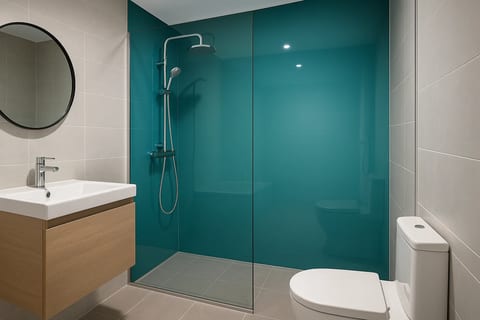
Acrylic Shower Wall Panels
Grout-free acrylic shower wall panels and splashback surrounds for seamless, waterproof bathroom finishes. DIY-friendly cut-to-size panels in clear, colour and tinted options.
Read more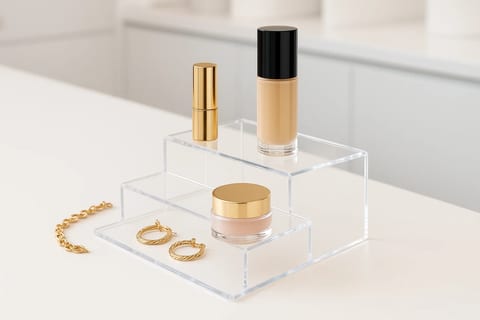
Acrylic Shelf Risers
Clear and opal acrylic shelf risers for retail displays, jewellery counters and product staging. Custom-cut tiered steps with flame-polished edges for professional visual merchandising.
Read more
Acrylic Light Diffuser Panels
Opal and diffuser acrylic and polycarbonate panels for even LED light spread in troffers, signage, and ceiling installations. Cut-to-size service available.
Read moreReady to start your acrylic aquarium panels project?
Join thousands of businesses across Australia who trust Perspex Online for precision-cut industrial plastics.
Guides & articles
Top 10 Ordering Mistakes With Plastic Materials (And How to Avoid Them)
Avoid common plastic ordering errors by selecting proper thickness, material type, and UV resistance; ensuring precise measurements; considering tolerances; and consulting suppliers for smooth, cost-effective projects.
Read guide →guidesThe Ultimate Guide to Choosing Cut-to-Size Plastic Sheets for Trade and DIY Projects
Guide to cut-to-size plastic sheets: choose the right material (acrylic for clarity, polycarbonate for strength), select proper thickness and finish for durability and look, and use precision cutting and custom fabrication for best results.
Read guide →fabricationFrom CAD to Cut: The Science and Technology Behind Precision Cut-to-Size Plastics
Perspex Online uses advanced CAD/CAM, CNC routing, and laser cutting technologies for precise, high-quality plastic fabrication. They offer diverse materials, eco-friendly options, instant quotes, nationwide delivery, and expert support.
Read guide →guidesTop Plastic Material Problems-and How Expert Cutting and Fabrication Prevent Them
Expert cutting and fabrication prevent common plastic issues like melting, chipping, cracking, and scratches. Precision CNC routing, laser cutting, and proper handling ensure durable, high-quality results.
Read guide →applicationsThe Role of Perspex Signage and Branding
What is Perspex Signage? Perspex Signage refers to signs made from Perspex, a brand name for high-quality acrylic sheet. These signs utilise the excellent clarity, durability, and light weight of acrylic to make effective visual communication. They have high optical clarity that allows for bright and readable graphics. Their durability ensures them to last long, […]
Read guide →fabricationTips for Cutting, Shaping, and Working with Plastic Materials
Plastic is a versatile material used for various projects, starting from simple crafts and up to the more complicated engineering designs. However, plastic can be very tricky if you do not know the proper ways of using it. Here are some tips in cutting, shaping, and working with plastic materials effectively: Choosing the Right Tools […]
Read guide →