
Custom Plastic Tanks
Custom-welded plastic tanks in HDPE, polypropylene, and marine-grade Seaboard. Built to your exact volume, footprint, and fitting requirements.
4.8 / 5
Google Rating
24hr
Quote Turnaround
Australia Wide
Delivery
Start Your Project
Partner with Australia's leading acrylic fabrication experts. We provide end-to-end support from material selection to final delivery.
Material Consultation
Our engineers help you select the optimal grade for your specific environmental and aesthetic requirements.
CAD Support
Send us your designs in DXF, DWG, or PDF. We review every file for structural integrity and precision cutting paths.
Fast Quoting
Receive a comprehensive technical specification and competitive quote within 24 hours of your submission.
Recommended Materials
Selecting the right base material for this application.
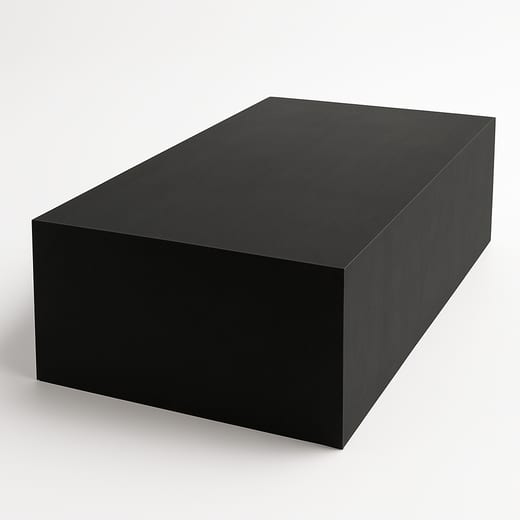
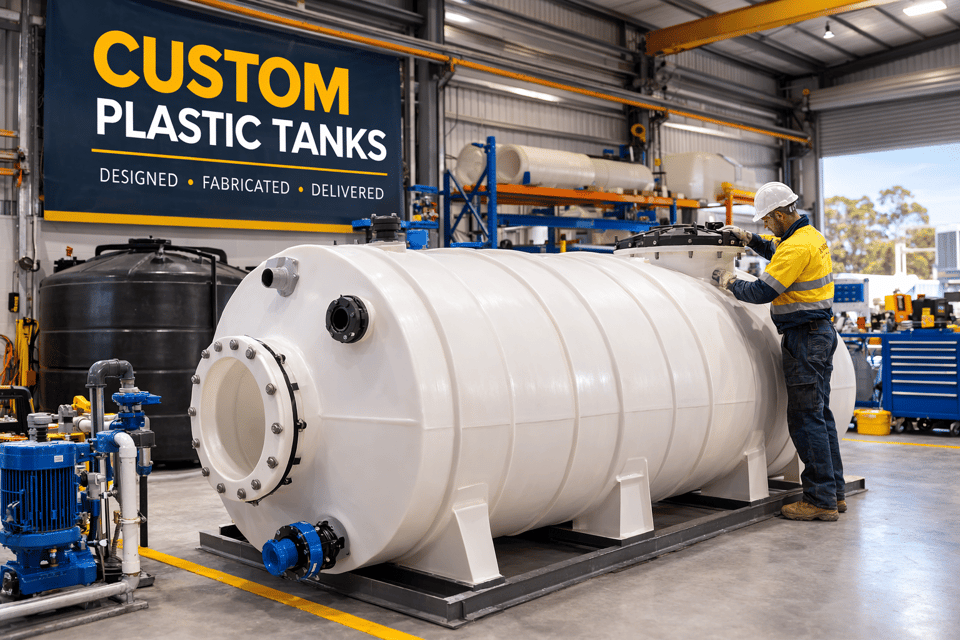
Custom Plastic Tanks Built to Your Exact Specification
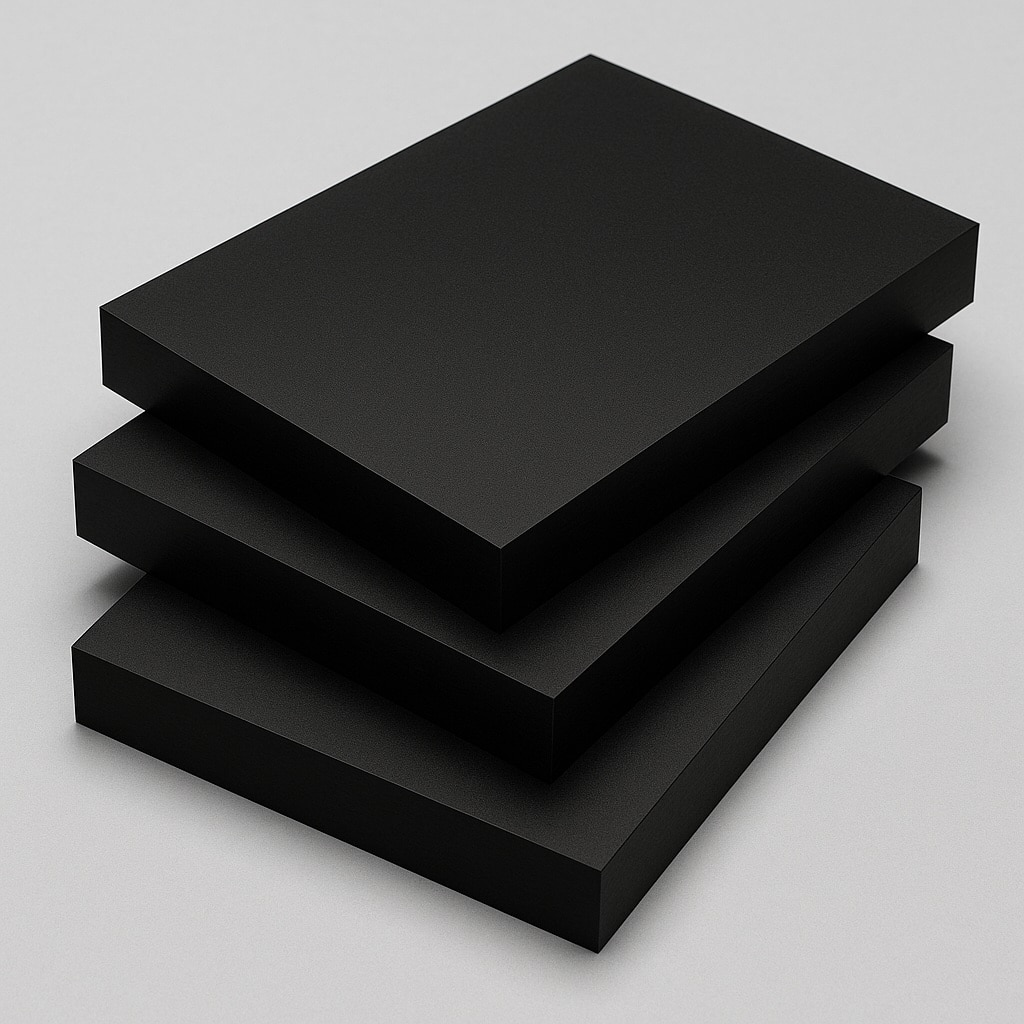
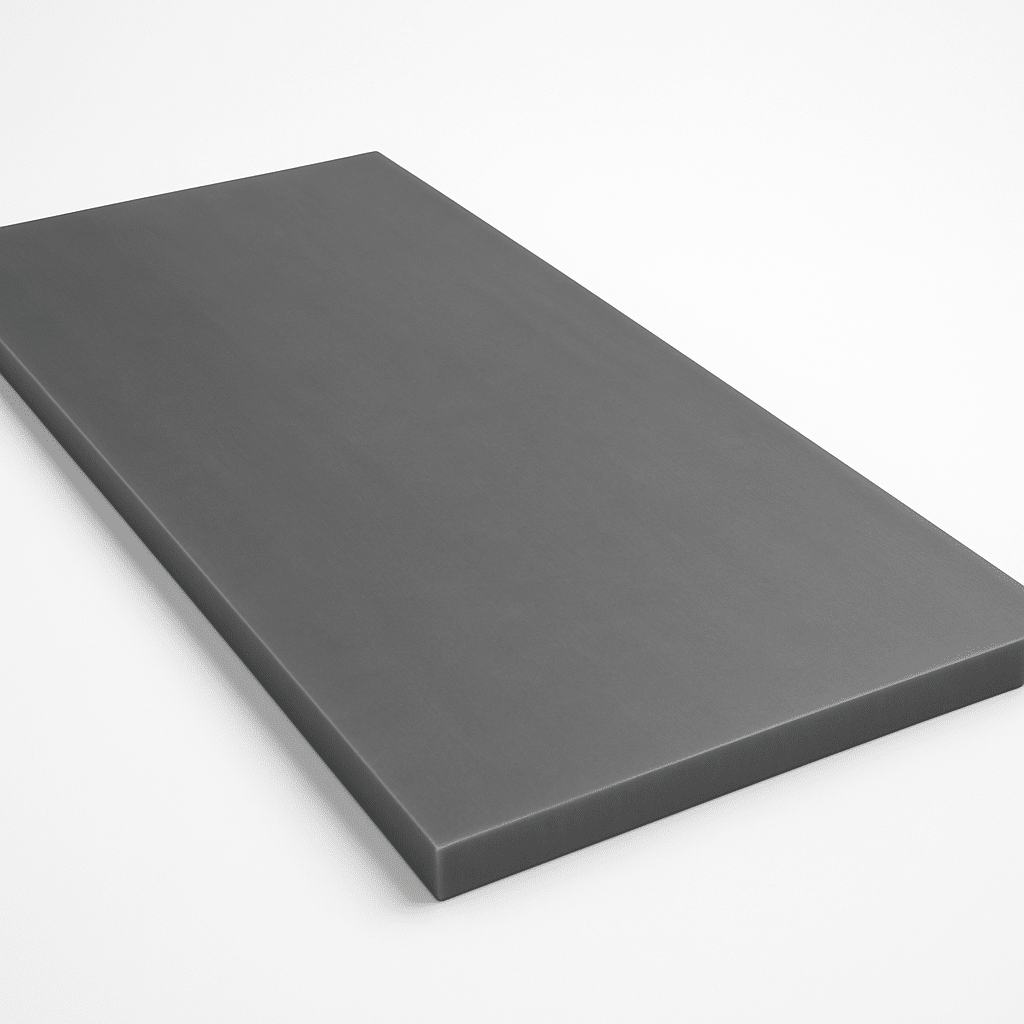
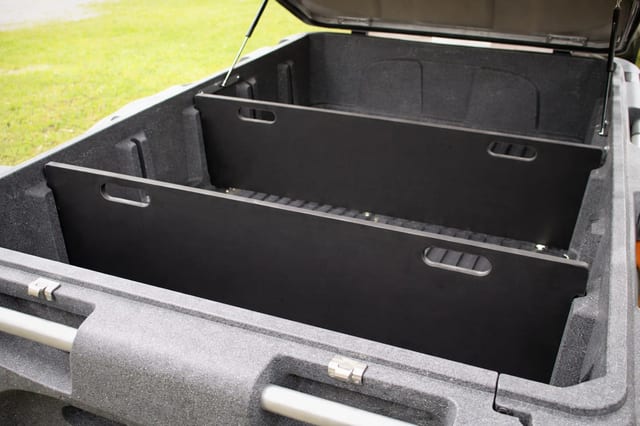
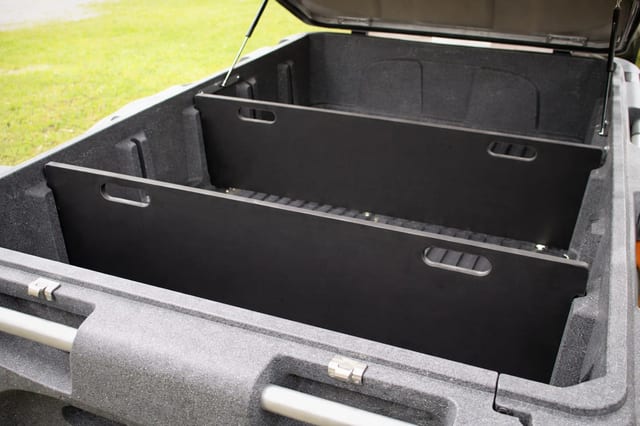
When an off-the-shelf tank does not fit the space, capacity, or chemical requirement of a job, a custom-fabricated plastic tank gives full control over the tank's shape, volume, fittings, and material. Our fabrication team welds tanks from flat sheet stock, meaning tanks can be built square, rectangular, or in irregular shapes to fit under a bench, into a vehicle tray, or against a specific wall or bund.
This flexibility is the main reason customers come to us rather than buying a mass-produced roto-moulded tank, since a welded tank can be shaped to use every available centimetre of an awkward space.
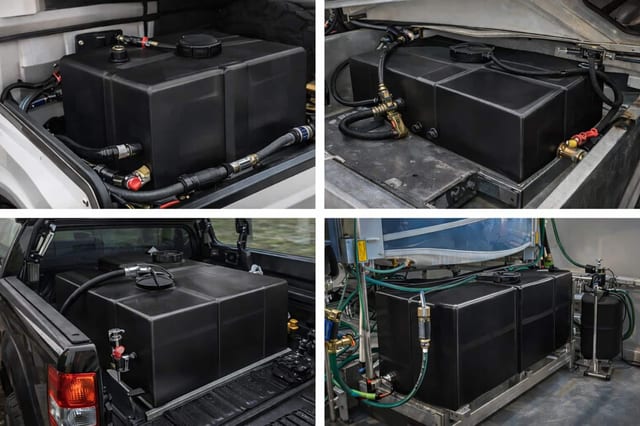
Materials We Use for Custom Tank Fabrication
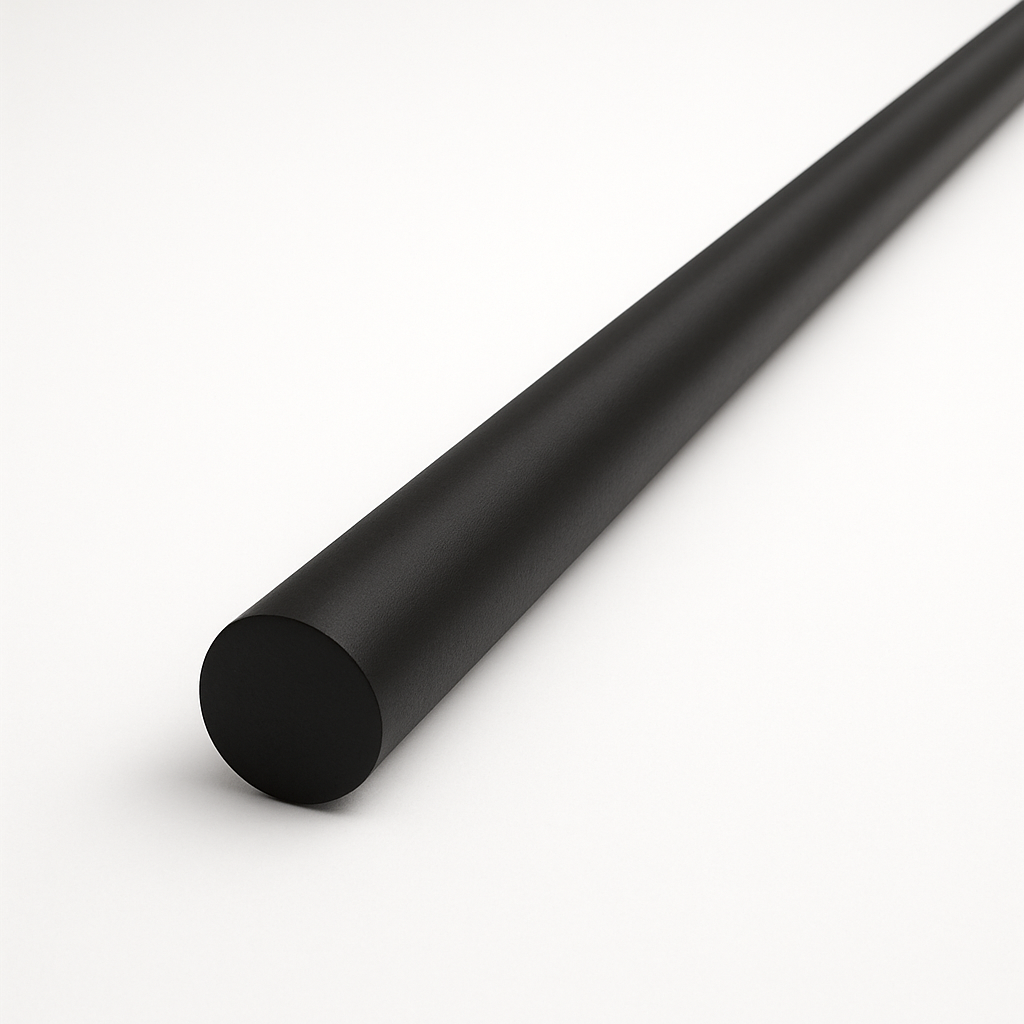
HDPE sheet is our most commonly used tank material, offering strong all-round chemical resistance, UV stability, and ease of welding for tanks used in water storage, chemical storage, and general liquid containment. Polypropylene is specified for higher-temperature applications or chemicals outside HDPE's resistance range, while UHMWPE is reserved for tank components subject to heavy wear or abrasion, such as agitator surrounds or high-flow inlet zones.
For marine and coastal applications, Seaboard HDPE marine-grade plastic gives added UV and saltwater resistance for tanks that will spend their life exposed to harsh outdoor coastal conditions.
The Custom Tank Design and Fabrication Process
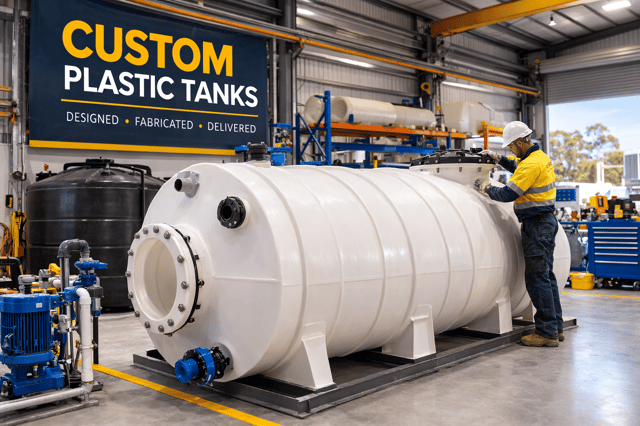
Every custom tank starts with your specification, being volume, footprint, chemical or liquid to be stored, and any fittings needed. From there we confirm material and wall thickness, cut panels to size on our CNC router, and weld the tank using plastic welding techniques suited to the chosen material, testing welds for a leak-free seal before delivery.
Internal baffles, external ribbing for structural strength, lids, bulkhead fittings, and mounting brackets are all built in during fabrication rather than retrofitted afterward.
Warranty, Repair, and Tank Maintenance
Welded plastic tanks are inherently repairable. If a fitting fails, a crack develops, or a tank needs modification after installation (such as an additional outlet or a relocated vent), we can repair or modify the tank on-site in most cases using the same plastic welding techniques used in original fabrication, without needing to replace the entire unit.
Regular inspection of welds, fittings, and support cradles is good practice for any tank in long-term service, and we can advise on inspection schedules and common wear points based on the tank's material and contents.
Industries and Applications We Fabricate Tanks For
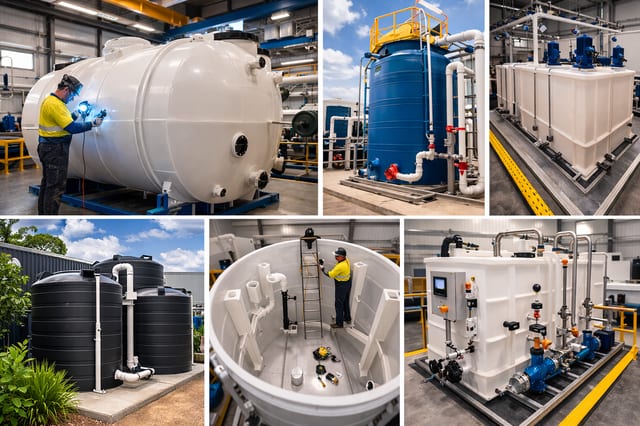
We fabricate custom tanks across agriculture, aquaculture, mining, transport, marine, and general industrial applications, wherever a standard round or IBC-style tank does not suit the available space or handling requirement.
Send us your required volume, footprint constraints, and the liquid to be stored, and we will recommend a material, wall thickness, and fitting layout, then fabricate and pressure-test the finished tank.
Featured Products
Products commonly used for this application.
Services Involved
Our services relevant to this use case.


Need help with your custom plastic tanks project?
Our engineers provide expert guidance on material selection, design optimisation, and fabrication.
Custom Plastic Tanks FAQ
Can you build a tank to an unusual or irregular shape?
What is the difference between a welded tank and a roto-moulded tank?
How do you test a tank for leaks before delivery?
What is the typical lead time for a custom tank?
Can a damaged welded plastic tank be repaired rather than replaced?
More in Tanks Fluid and Containment Systems
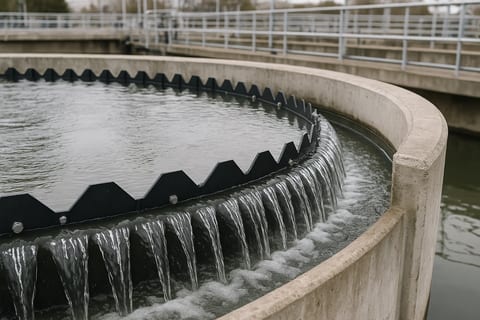
Wastewater Treatment Components: Weir Plates & Baffles
CNC-machined HDPE weir plates, baffle plates, launder covers, and clarifier components for water and wastewater treatment plants. Chemical-resistant, cut to drawing, delivered Australia-wide.
Read more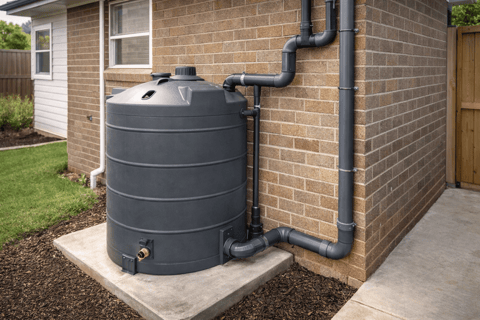
Waste & Grey Water Tanks
Plastic materials are commonly used for wastewater storage tanks because they offer corrosion resistance, chemical compatibility, and long-term durability in wet environments. Unlike metal tanks,…
Read more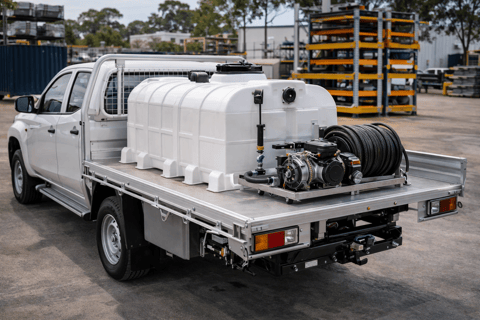
Vehicle-Mounted Plastic Tanks
Vehicle-mounted plastic tanks are used for storing water, waste, fuel, chemicals, and process fluids in utes, 4×4 vehicles, trucks, trailers, and service vehicles.
Read more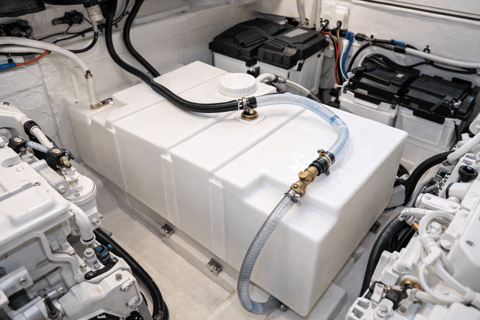
Marine Tanks
Custom-welded marine tanks in HDPE and Seaboard marine-grade plastic for boats and vessels. Baffled, fitted, and shaped to your hull cavity.
Read more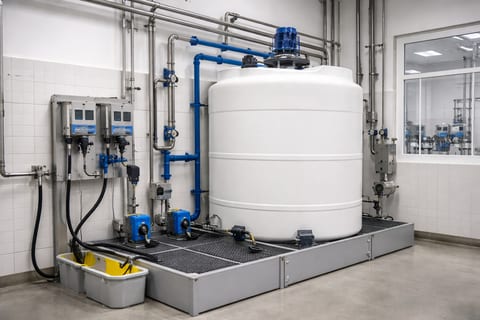
Chemical Storage Tanks
Custom-welded chemical storage tanks in HDPE, polypropylene, and PVC. Chemically resistant, bunded options available, built to spec.
Read more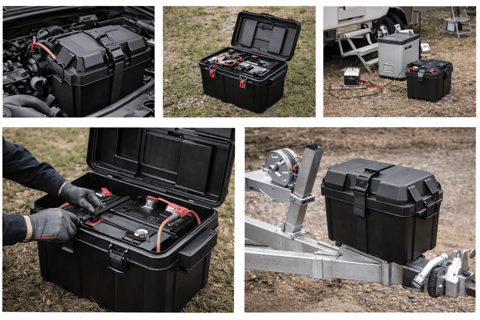
Battery Box
Plastic materials are widely used for battery boxes because they provide chemical resistance, corrosion resistance, and electrical insulation. These properties are particularly important in battery…
Read moreRelated from other industries
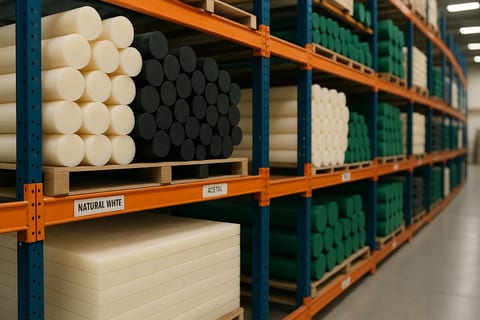
Engineering Plastic Trade Names & Equivalents
Cross-reference guide to engineering plastic trade names. Ertalon, Sustamid, Nylatron, Ertacetal, Sustarin, Polystone, Tivar, Ertalyte, and Simona matched to the nylon, acetal, UHMWPE, PET, and PVC we supply.
Read more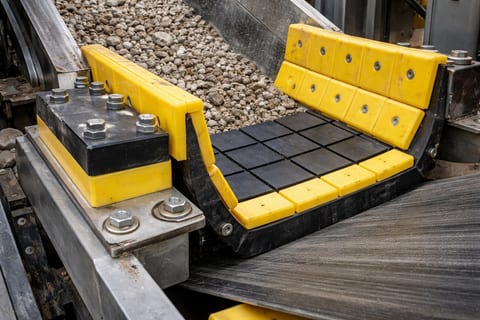
Conveyor Skirting & Transfer Point Sealing
UHMWPE and HDPE conveyor skirting boards, skirt liners, and transfer point sealing strips. Stop spillage and dust at load zones, cut to your chute and skirt dimensions.
Read more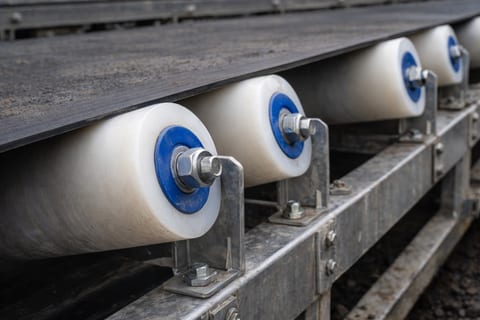
Plastic Sheaves, Pulleys & Rollers
Machined nylon and UHMWPE sheaves, rope pulleys, cable rollers, and guide wheels. Lighter than steel, kind to ropes and cables, machined to your drawing.
Read moreReady to start your custom plastic tanks project?
Join thousands of businesses across Australia who trust Perspex Online for precision-cut industrial plastics.
Guides & articles
Top 10 Ordering Mistakes With Plastic Materials (And How to Avoid Them)
Avoid common plastic ordering errors by selecting proper thickness, material type, and UV resistance; ensuring precise measurements; considering tolerances; and consulting suppliers for smooth, cost-effective projects.
Read guide →applicationsPlastic Wear Parts for Conveyor Belts: Materials, Applications, and Buying Guide
Conveyor Belts Conveyor belts fail for one simple reason: wear. Friction, abrasion, impact, moisture, and contamination slowly destroy metal components and belts, driving up downtime and maintenance costs. That is why plastic wearable parts on conveyor belts are now standard across food processing, packaging, mining, recycling, and manufacturing lines. This guide breaks down where plastic […]
Read guide →guidesThe Ultimate Guide to Choosing Cut-to-Size Plastic Sheets for Trade and DIY Projects
Guide to cut-to-size plastic sheets: choose the right material (acrylic for clarity, polycarbonate for strength), select proper thickness and finish for durability and look, and use precision cutting and custom fabrication for best results.
Read guide →fabricationFrom CAD to Cut: The Science and Technology Behind Precision Cut-to-Size Plastics
Perspex Online uses advanced CAD/CAM, CNC routing, and laser cutting technologies for precise, high-quality plastic fabrication. They offer diverse materials, eco-friendly options, instant quotes, nationwide delivery, and expert support.
Read guide →guidesTop Plastic Material Problems-and How Expert Cutting and Fabrication Prevent Them
Expert cutting and fabrication prevent common plastic issues like melting, chipping, cracking, and scratches. Precision CNC routing, laser cutting, and proper handling ensure durable, high-quality results.
Read guide →materials7 Types of Plastic and Their Resin Identification Codes (RICs)
We’re surrounded by plastic-from food containers to clothing, it is very unmistakably a part of modern life. Not all plastics are created equal, though. Knowing the various kinds of plastic and their corresponding Resin Identification Codes (RICs) is fundamental to recycling and reuse, as well as in choosing products we consume. The resins used for […]
Read guide →