
Bus & Coach Parts
Cut-to-size acrylic, polycarbonate and engineering plastics for bus and coach parts: window glazing, interior panels, luggage bins and machined components.
4.8 / 5
Google Rating
24hr
Quote Turnaround
Australia Wide
Delivery
Start Your Project
Partner with Australia's leading acrylic fabrication experts. We provide end-to-end support from material selection to final delivery.
Material Consultation
Our engineers help you select the optimal grade for your specific environmental and aesthetic requirements.
CAD Support
Send us your designs in DXF, DWG, or PDF. We review every file for structural integrity and precision cutting paths.
Fast Quoting
Receive a comprehensive technical specification and competitive quote within 24 hours of your submission.
Recommended Materials
Selecting the right base material for this application.
Plastic Parts for Buses and Coaches
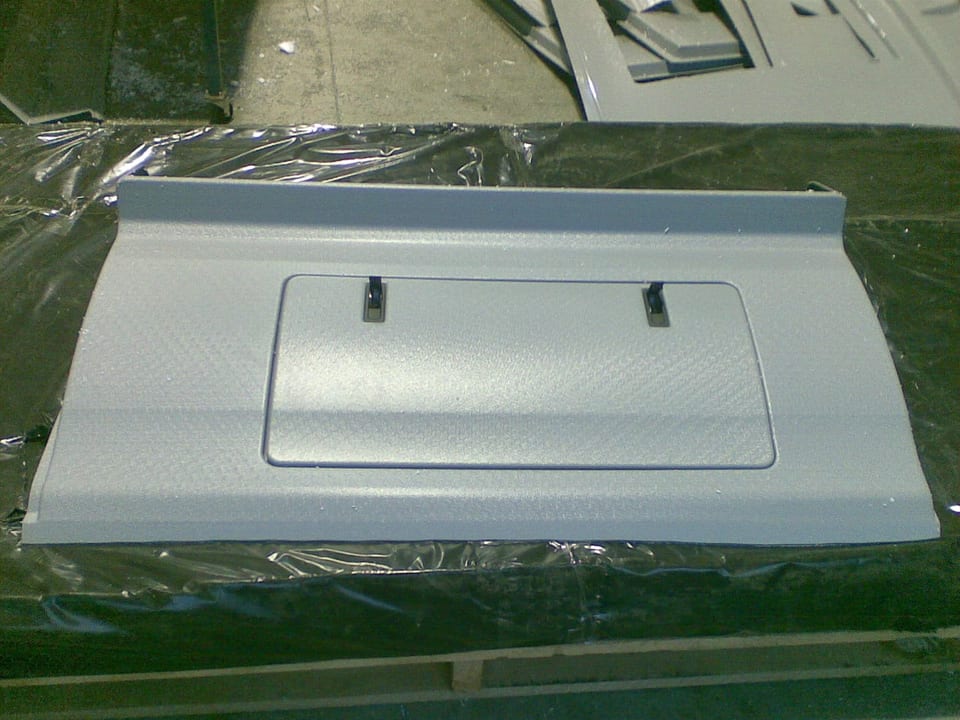
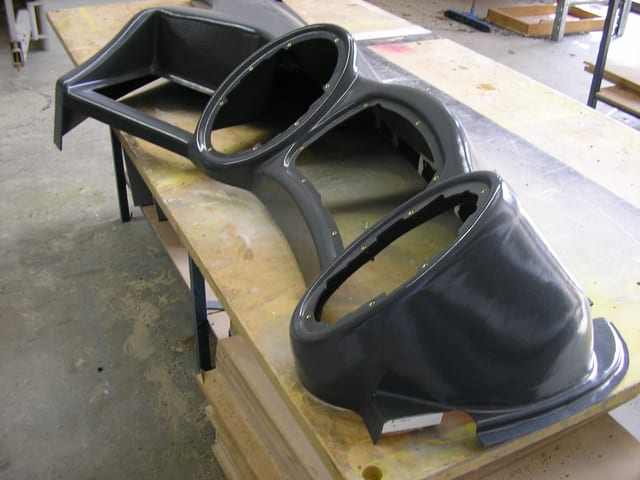
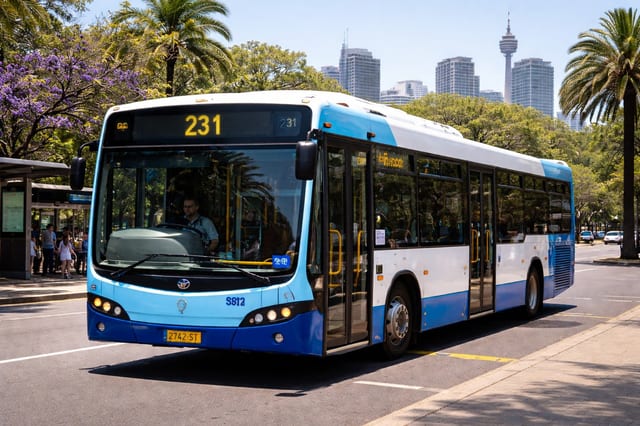
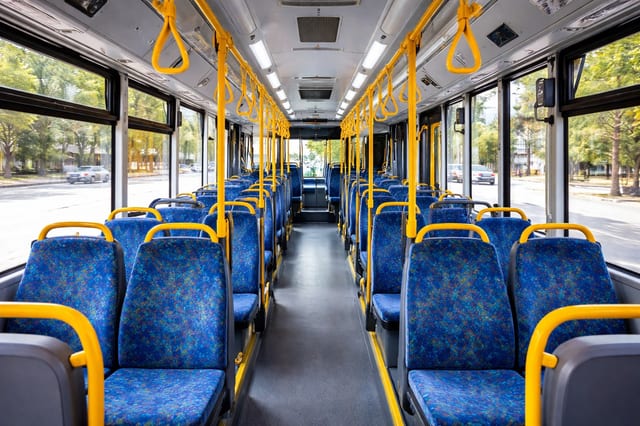
Buses and coaches rely on plastic sheet and machined components in dozens of places: destination sign glazing, window and skylight panels, luggage bay liners, interior wall and ceiling panels, driver partitions, and machined bushes, bearings, and wear strips in the drivetrain and door mechanisms. Fleet operators and bus builders need parts that survive constant vibration, UV exposure, and daily wear without adding unnecessary weight.
Because most bus and coach parts are custom to the vehicle model, cut-to-size and CNC-machined plastic is far more practical than trying to source pre-made panels, and it lets fleet workshops keep vehicles running with fast turnaround replacements rather than waiting on OEM parts.
Material Options for Bus and Coach Applications
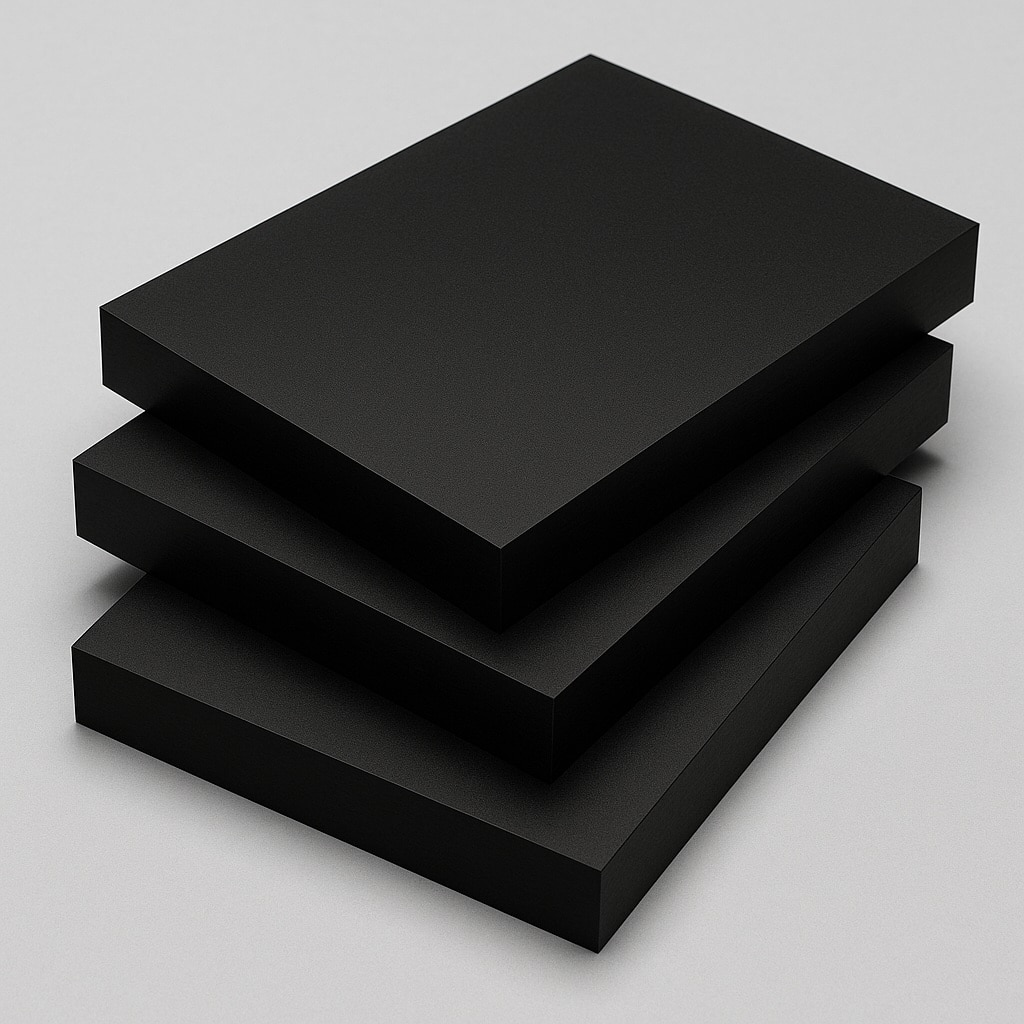
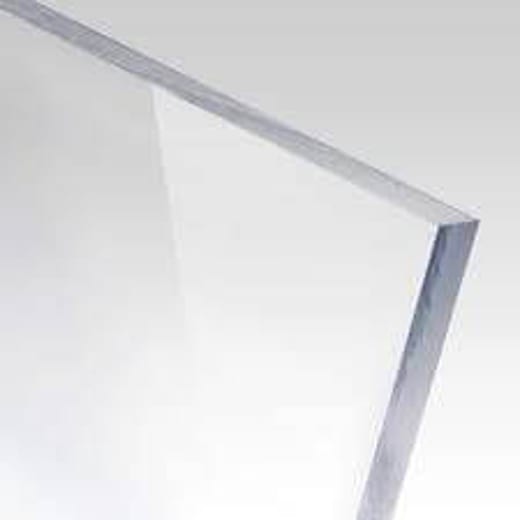
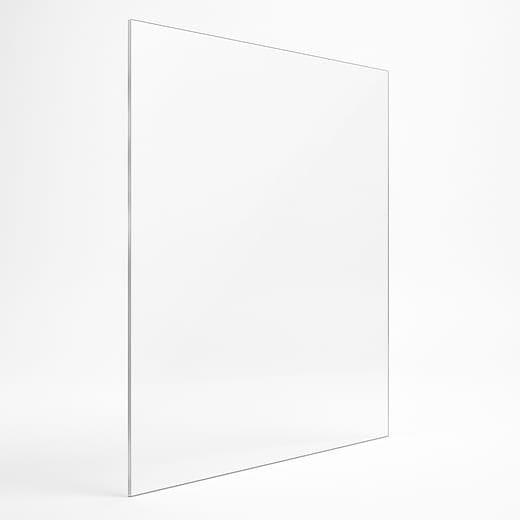
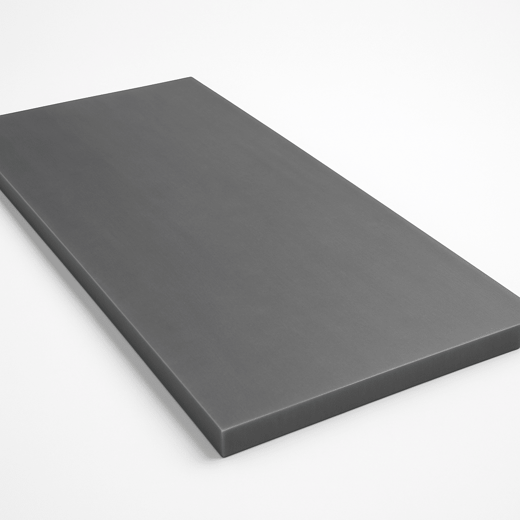
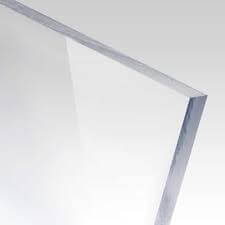
Polycarbonate sheet is the standard for glazing and destination sign covers because of its exceptional impact resistance, which matters where windows face vandalism, stone chips, or general wear-and-tear from passengers. Acrylic sheet suits internal panels and light fittings where optical clarity and a scratch-resistant surface are more important than impact strength.
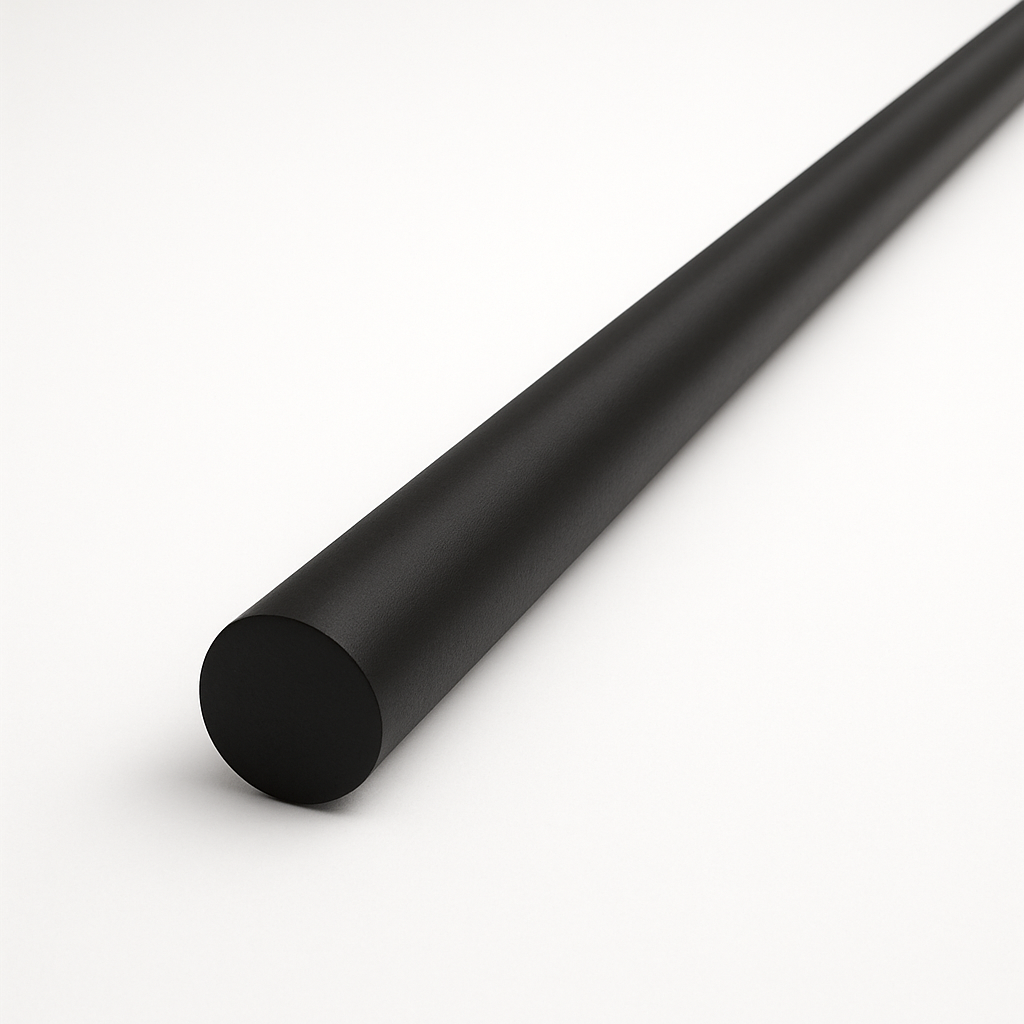
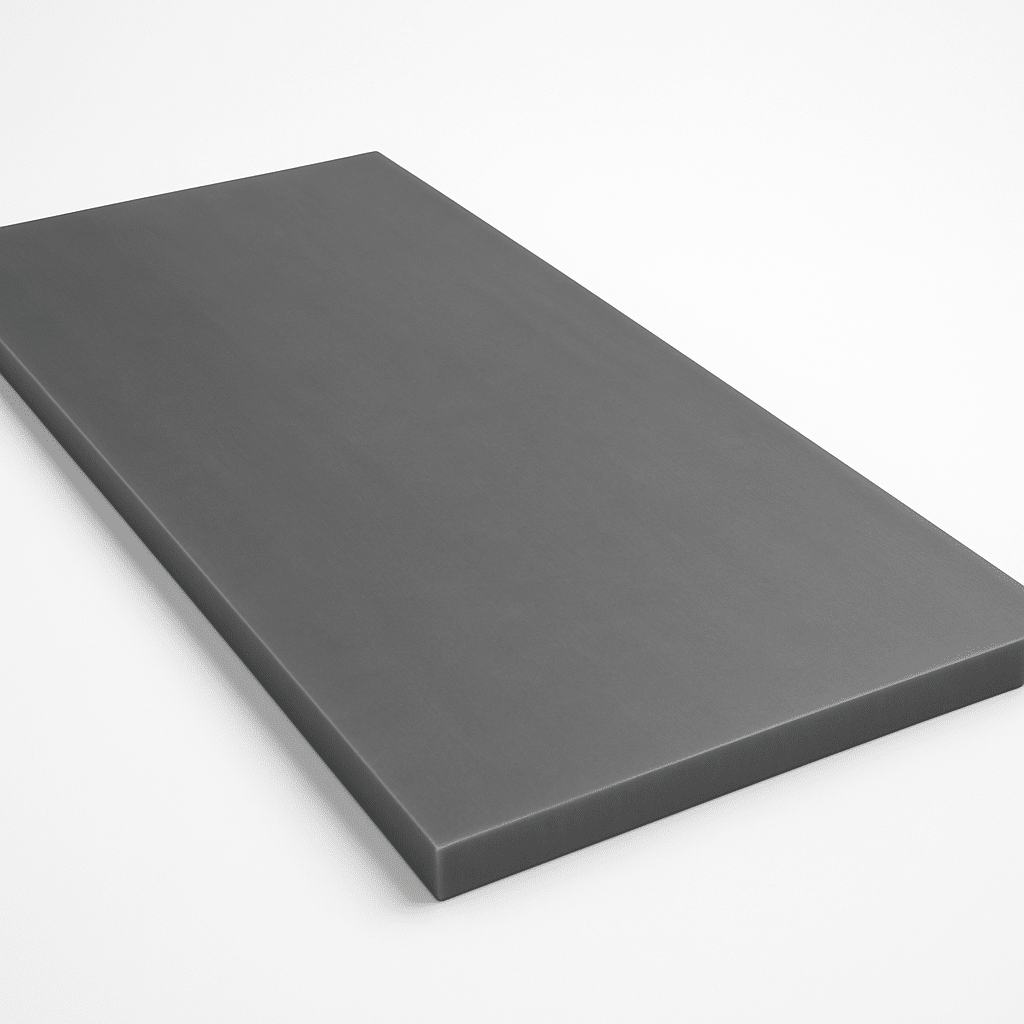
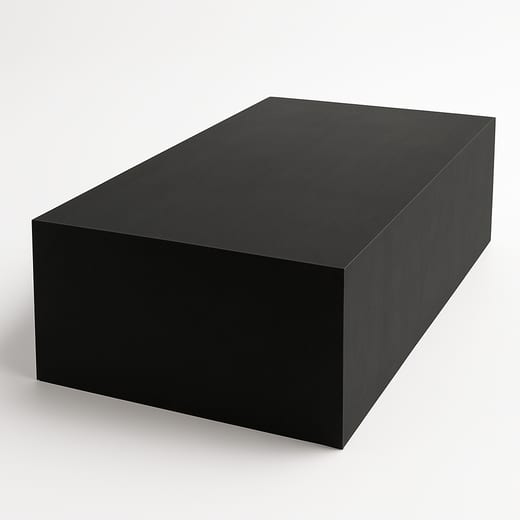
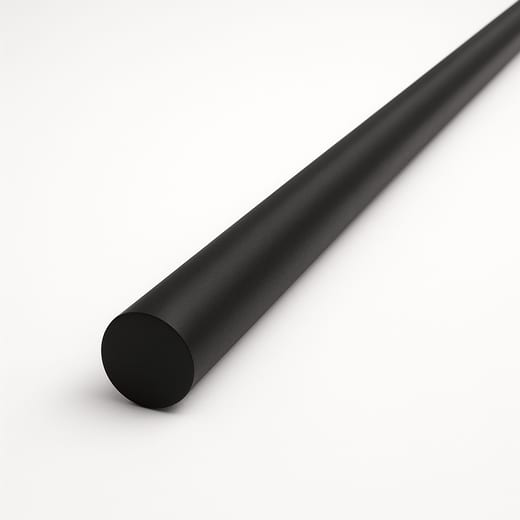
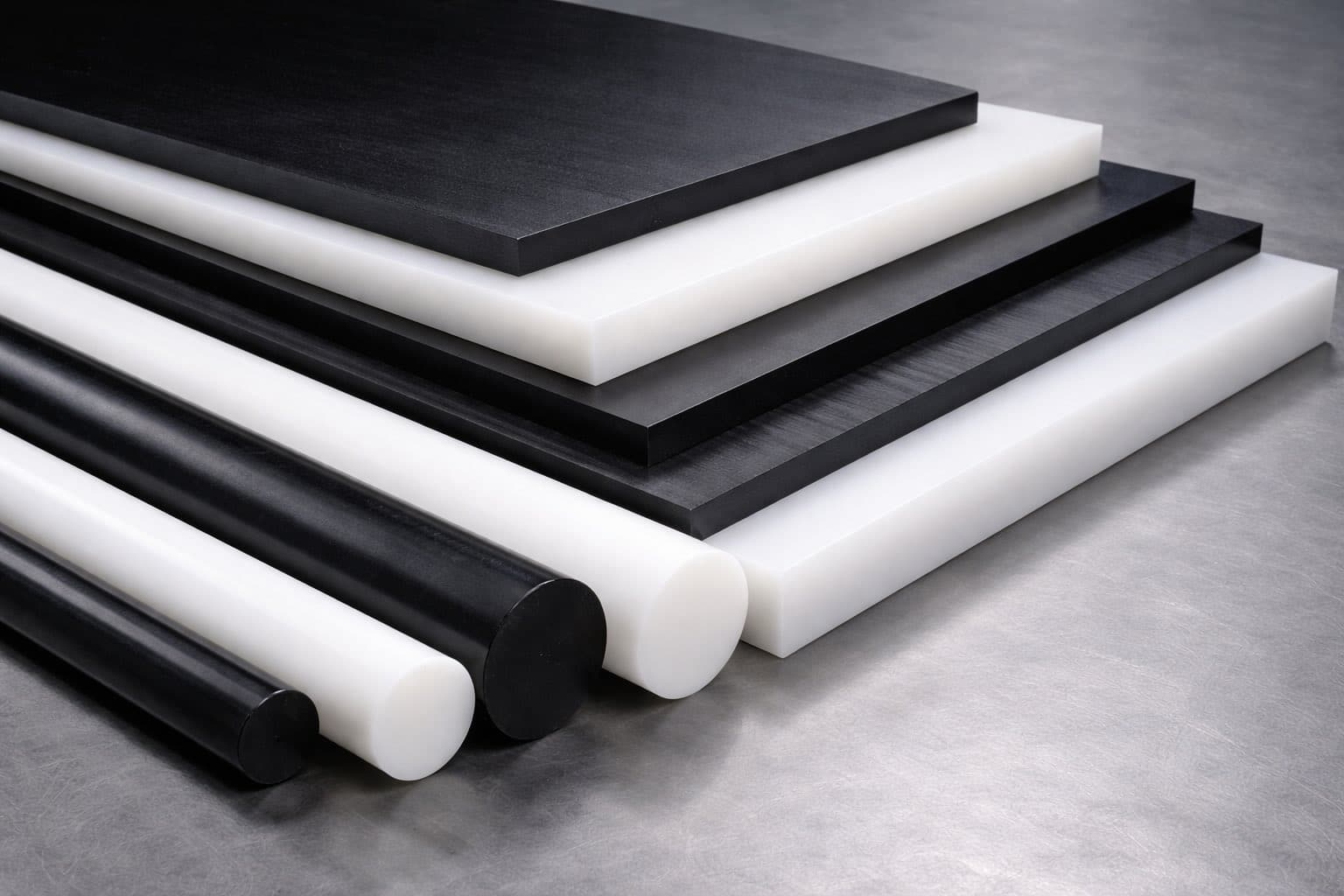
HDPE sheet is widely used for luggage bay liners, floor protection, and wear strips thanks to its excellent abrasion resistance, low moisture absorption, and impact toughness, all at a lower weight than metal alternatives. For precision-machined components like bushes, guides, and door mechanism parts, engineering plastics such as nylon and acetal (Delrin-type) offer low friction, good wear resistance, and dimensional stability under load, ideal for moving parts that need to run quietly and reliably for years.
Sizing, Thickness and Machining Guidance
Window and skylight glazing is typically 4-8mm depending on panel size and whether it's fixed or opening, while destination sign covers are usually lighter-gauge polycarbonate in the 2-3mm range for good light transmission. Interior wall and ceiling panels are commonly cut from 3-6mm sheet depending on span and fixing centres, and luggage bay liners in HDPE are often 6-10mm for durability underfoot and under load.
For machined engineering plastic components such as bushes, rollers, and guide blocks, provide us with drawings or sample parts and tolerances, and our CNC router and machining service can reproduce components to the accuracy required for reliable fit in door mechanisms and other moving assemblies.
Fitting and Maintenance Tips
As with any vehicle glazing, allow for thermal expansion around fastener holes and use appropriate seals or gaskets rather than bolting directly onto rigid sheet, since coach panels experience significant temperature swings between depot storage and daytime running. Keep polycarbonate glazing clean with non-abrasive cleaners only, as harsh solvents and abrasive cloths will quickly degrade any scratch-resistant coating.
For interior panels subject to frequent cleaning and passenger contact, choose a grade with a durable, easy-clean surface finish, and keep a small stock of pre-cut spares on hand so a damaged panel doesn't take a vehicle off the road for longer than necessary.
Why Fleet Workshops Buy from Perspex Online
We supply cut-to-size sheet and CNC-machined engineering plastic components to bus and coach builders and fleet maintenance workshops across Australia, with fast turnaround so vehicles spend less time off the road. Our laser cutting, CNC routing, and machining services handle everything from simple flat panels to precision-toleranced components.
Get a quote for your bus or coach parts using our pricing calculator, or send us your drawings and specifications and our team will recommend the right material and finish for the job.
Featured Products
Products commonly used for this application.

Services Involved
Our services relevant to this use case.


Need help with your bus & coach parts project?
Our engineers provide expert guidance on material selection, design optimisation, and fabrication.
Bus & Coach Parts FAQ
What plastic is used for bus and coach window glazing?
What thickness of HDPE is used for luggage bay liners?
Can you machine replacement bushes and door mechanism parts?
Why use engineering plastics instead of metal for bus components?
How quickly can you supply replacement panels for a fleet vehicle?
More in Automotive Transport and Fleet
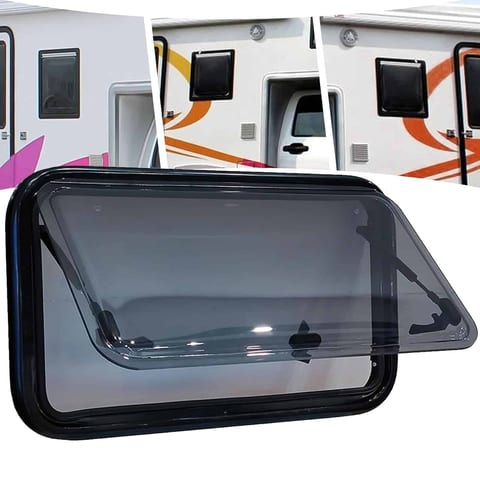
Caravan Window Replacements
Replace foggy, cracked or crazed caravan windows with cut-to-size acrylic or polycarbonate glazing. UV-stable, lightweight and precision-cut Australia-wide.
Read more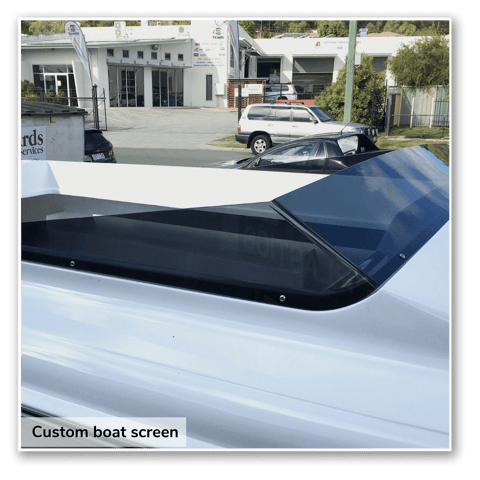
Boat Window Replacements
Replace cracked, crazed or yellowed boat windows with cut-to-size marine acrylic or polycarbonate. UV-stable, salt-water tough, fast Australia-wide delivery.
Read moreRelated from other industries
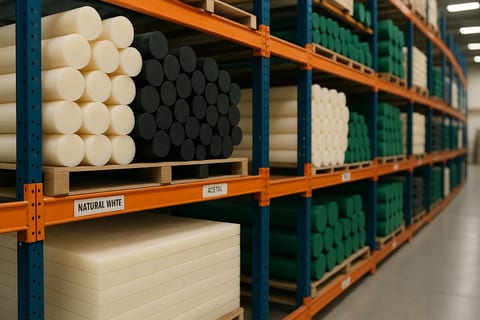
Engineering Plastic Trade Names & Equivalents
Cross-reference guide to engineering plastic trade names. Ertalon, Sustamid, Nylatron, Ertacetal, Sustarin, Polystone, Tivar, Ertalyte, and Simona matched to the nylon, acetal, UHMWPE, PET, and PVC we supply.
Read more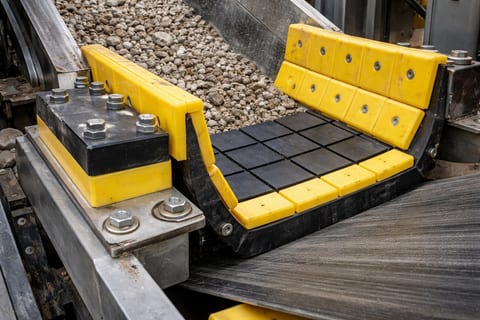
Conveyor Skirting & Transfer Point Sealing
UHMWPE and HDPE conveyor skirting boards, skirt liners, and transfer point sealing strips. Stop spillage and dust at load zones, cut to your chute and skirt dimensions.
Read more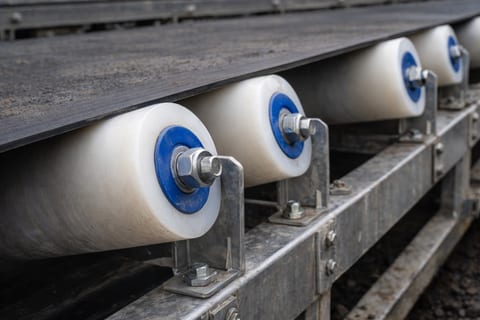
Plastic Sheaves, Pulleys & Rollers
Machined nylon and UHMWPE sheaves, rope pulleys, cable rollers, and guide wheels. Lighter than steel, kind to ropes and cables, machined to your drawing.
Read moreReady to start your bus & coach parts project?
Join thousands of businesses across Australia who trust Perspex Online for precision-cut industrial plastics.
Guides & articles
Top 10 Ordering Mistakes With Plastic Materials (And How to Avoid Them)
Avoid common plastic ordering errors by selecting proper thickness, material type, and UV resistance; ensuring precise measurements; considering tolerances; and consulting suppliers for smooth, cost-effective projects.
Read guide →applicationsPlastic Wear Parts for Conveyor Belts: Materials, Applications, and Buying Guide
Conveyor Belts Conveyor belts fail for one simple reason: wear. Friction, abrasion, impact, moisture, and contamination slowly destroy metal components and belts, driving up downtime and maintenance costs. That is why plastic wearable parts on conveyor belts are now standard across food processing, packaging, mining, recycling, and manufacturing lines. This guide breaks down where plastic […]
Read guide →guidesThe Ultimate Guide to Choosing Cut-to-Size Plastic Sheets for Trade and DIY Projects
Guide to cut-to-size plastic sheets: choose the right material (acrylic for clarity, polycarbonate for strength), select proper thickness and finish for durability and look, and use precision cutting and custom fabrication for best results.
Read guide →fabricationFrom CAD to Cut: The Science and Technology Behind Precision Cut-to-Size Plastics
Perspex Online uses advanced CAD/CAM, CNC routing, and laser cutting technologies for precise, high-quality plastic fabrication. They offer diverse materials, eco-friendly options, instant quotes, nationwide delivery, and expert support.
Read guide →guidesTop Plastic Material Problems-and How Expert Cutting and Fabrication Prevent Them
Expert cutting and fabrication prevent common plastic issues like melting, chipping, cracking, and scratches. Precision CNC routing, laser cutting, and proper handling ensure durable, high-quality results.
Read guide →materials7 Types of Plastic and Their Resin Identification Codes (RICs)
We’re surrounded by plastic-from food containers to clothing, it is very unmistakably a part of modern life. Not all plastics are created equal, though. Knowing the various kinds of plastic and their corresponding Resin Identification Codes (RICs) is fundamental to recycling and reuse, as well as in choosing products we consume. The resins used for […]
Read guide →