
Nylon Washers, Spacers & Custom Small Parts
Nylon washers, plastic spacers, shoulder washers, and PTFE washers in standard metric sizes or machined to your spec. From one-off prototypes to production quantities, delivered Australia-wide.
4.8 / 5
Google Rating
24hr
Quote Turnaround
Australia Wide
Delivery
Start Your Project
Partner with Australia's leading acrylic fabrication experts. We provide end-to-end support from material selection to final delivery.
Material Consultation
Our engineers help you select the optimal grade for your specific environmental and aesthetic requirements.
CAD Support
Send us your designs in DXF, DWG, or PDF. We review every file for structural integrity and precision cutting paths.
Fast Quoting
Receive a comprehensive technical specification and competitive quote within 24 hours of your submission.
Recommended Materials
Selecting the right base material for this application.
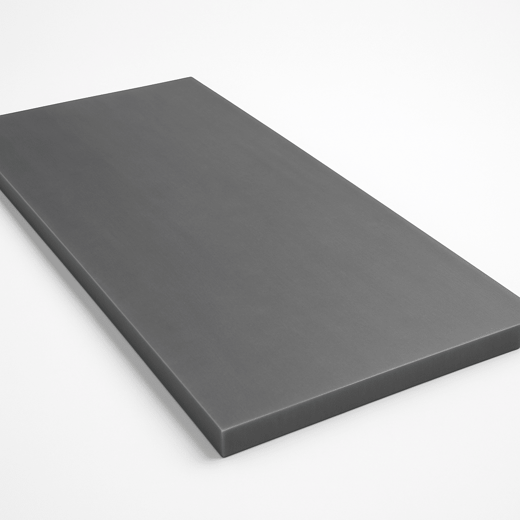
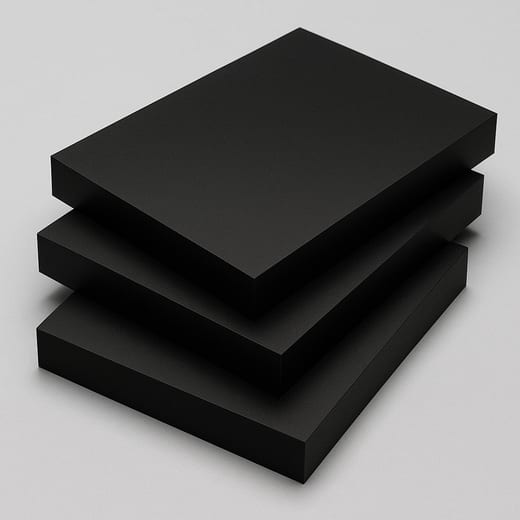
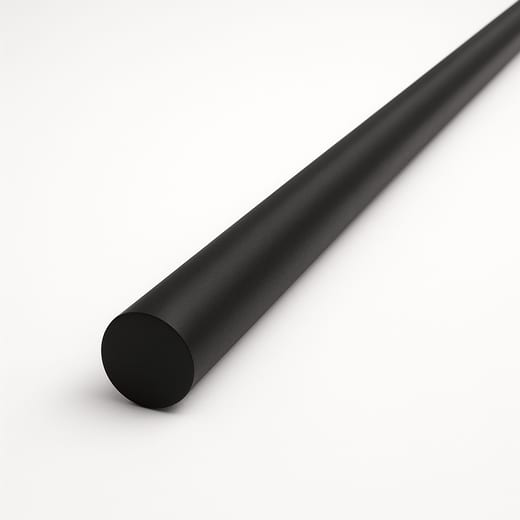
Small Parts, Made Properly, in the Exact Size You Need
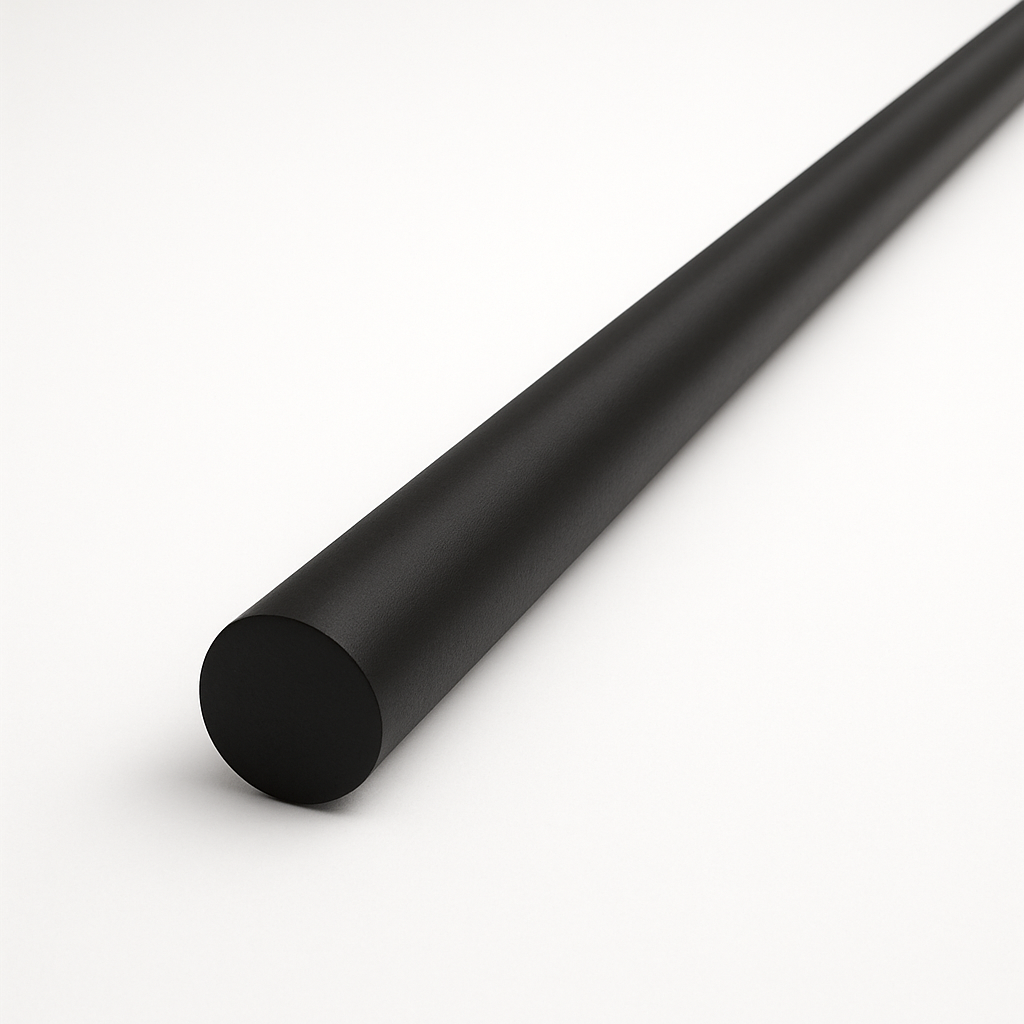
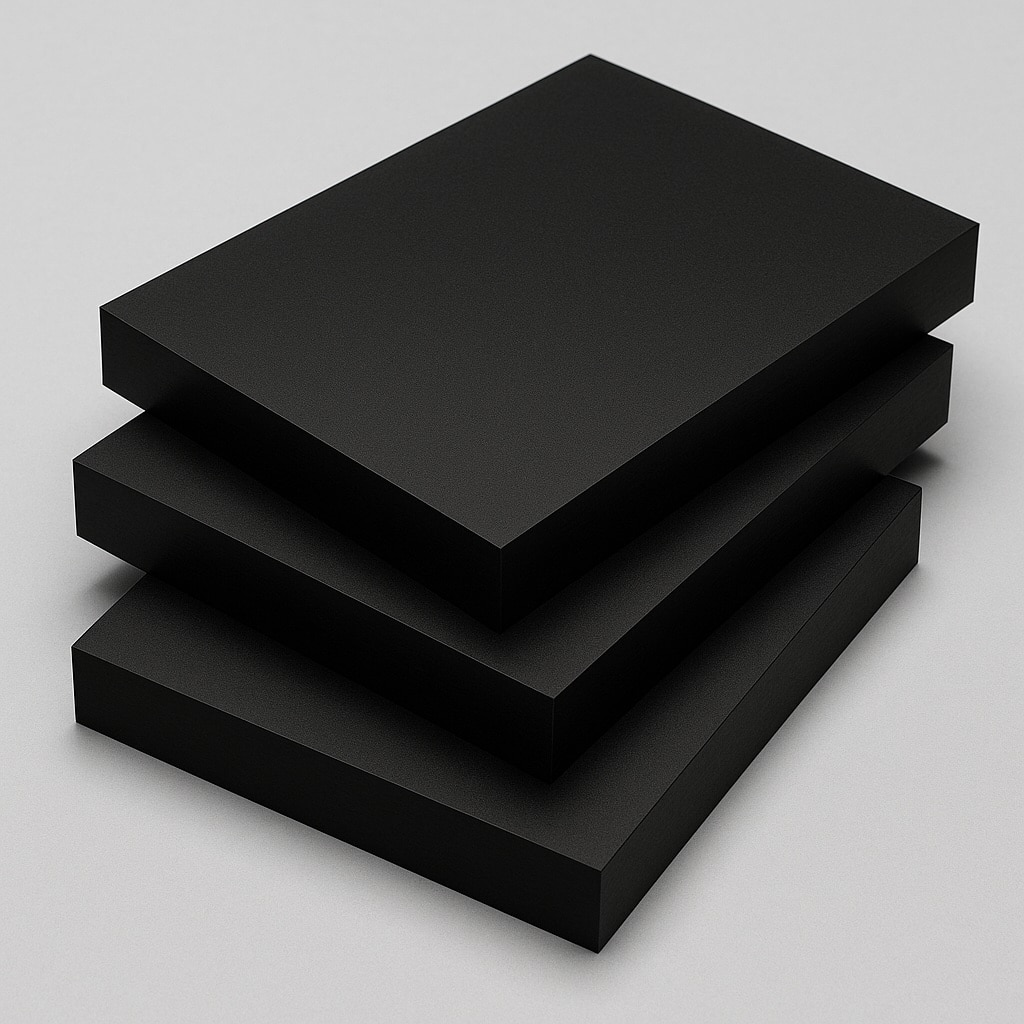
Washers, spacers, bushes, and standoffs are the smallest parts in any assembly and the most annoying to source when the size you need is not in a catalogue. We cut and machine plastic small parts from nylon sheet and nylon rod to any dimension, from a handful of prototypes to production runs in the thousands.
Why Assemblies Specify Nylon Washers
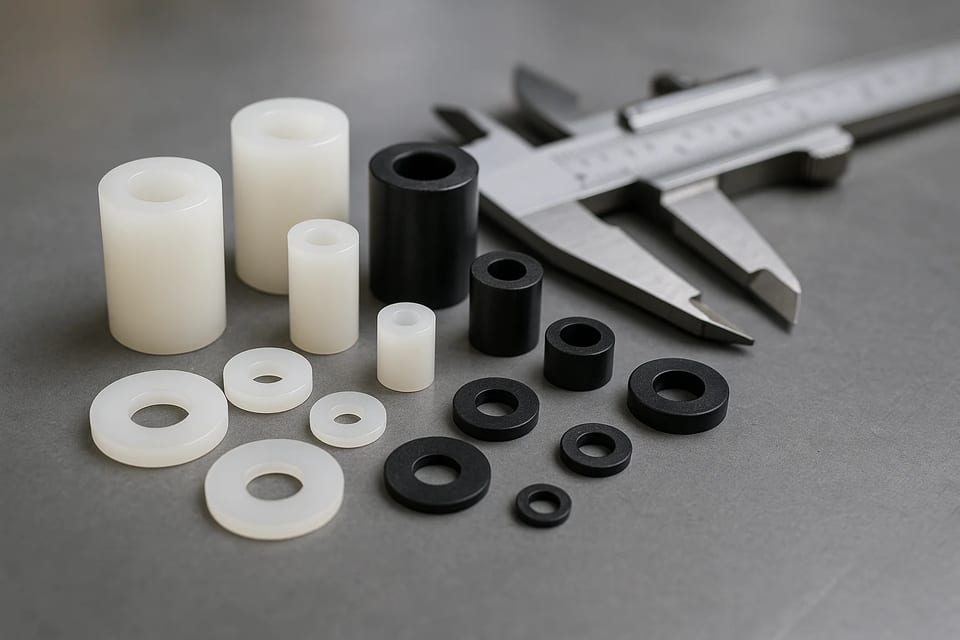
A nylon washer does four jobs a steel washer cannot: it insulates electrically, it isolates dissimilar metals so galvanic corrosion never starts, it cushions the joint against vibration, and it will not scratch painted, anodised, or polished surfaces. That is why they sit under fasteners in electronics, marine fittings, signage, solar mounting, and coachwork.
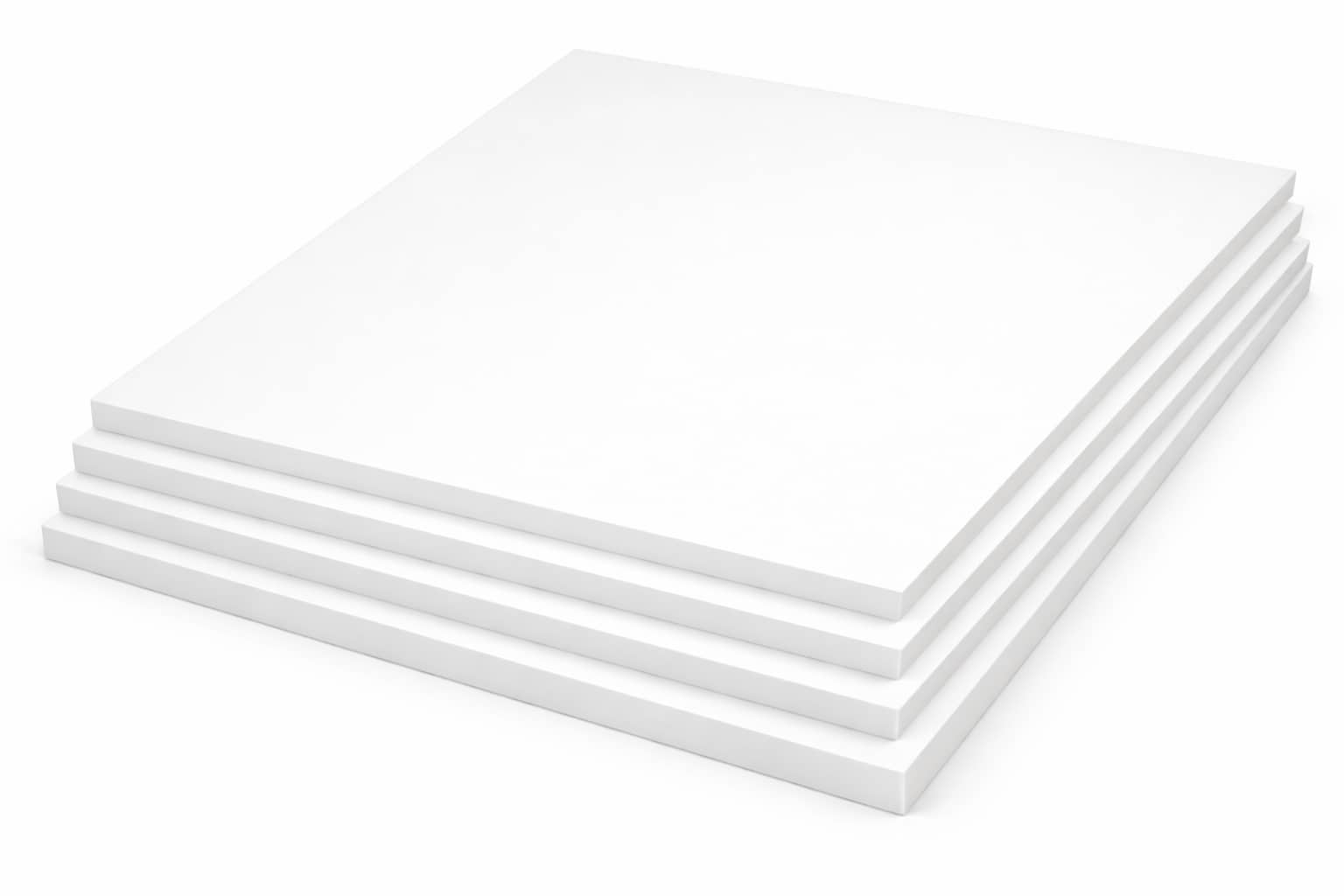
We cut flat washers for every metric size from M3 to M24, plus imperial and completely custom combinations of bore, outside diameter, and thickness. No moulding tooling means no tooling charge and no minimum run.
Shoulder Washers and Insulating Hardware
Shoulder washers add a sleeve that lines the bolt hole itself, isolating the fastener shaft as well as the surface. Electrical switchboards, battery banks, and instrumentation panels use them to guarantee a bolt cannot create a conductive path. We machine shoulder washers to your bolt size and panel thickness from nylon, acetal, or PTFE depending on the temperature and voltage requirements.
Spacers and Standoffs Machined to Length
Plastic spacers hold two components a precise distance apart: a pump off a wet floor, a sign face off a wall, a PCB off its enclosure, a roller off its bracket. We machine spacers on the CNC lathe from solid rod to your outside diameter, bore, and length, faced square on both ends so stacks sit true. Tube spacers, tapered spacers, and threaded standoffs are all standard work.
Material Choice: Nylon, Acetal, or PTFE
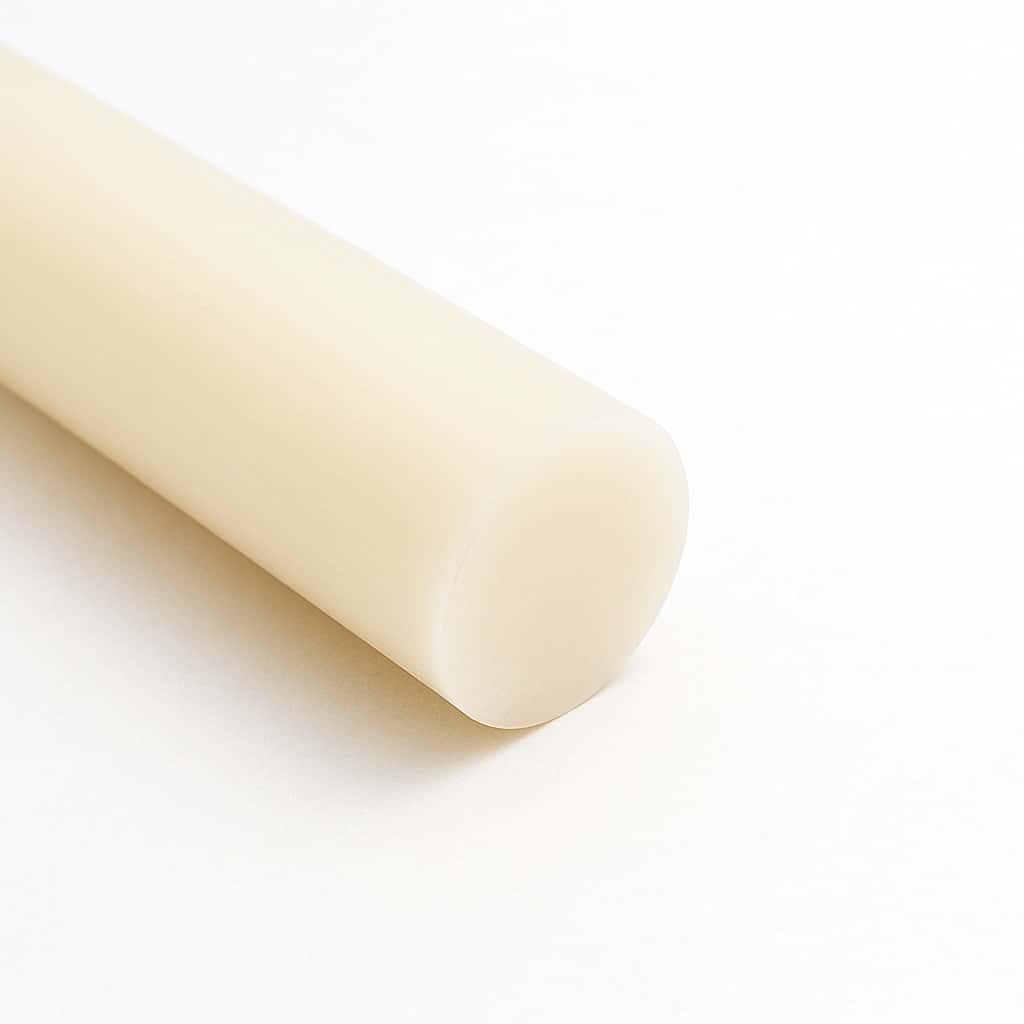
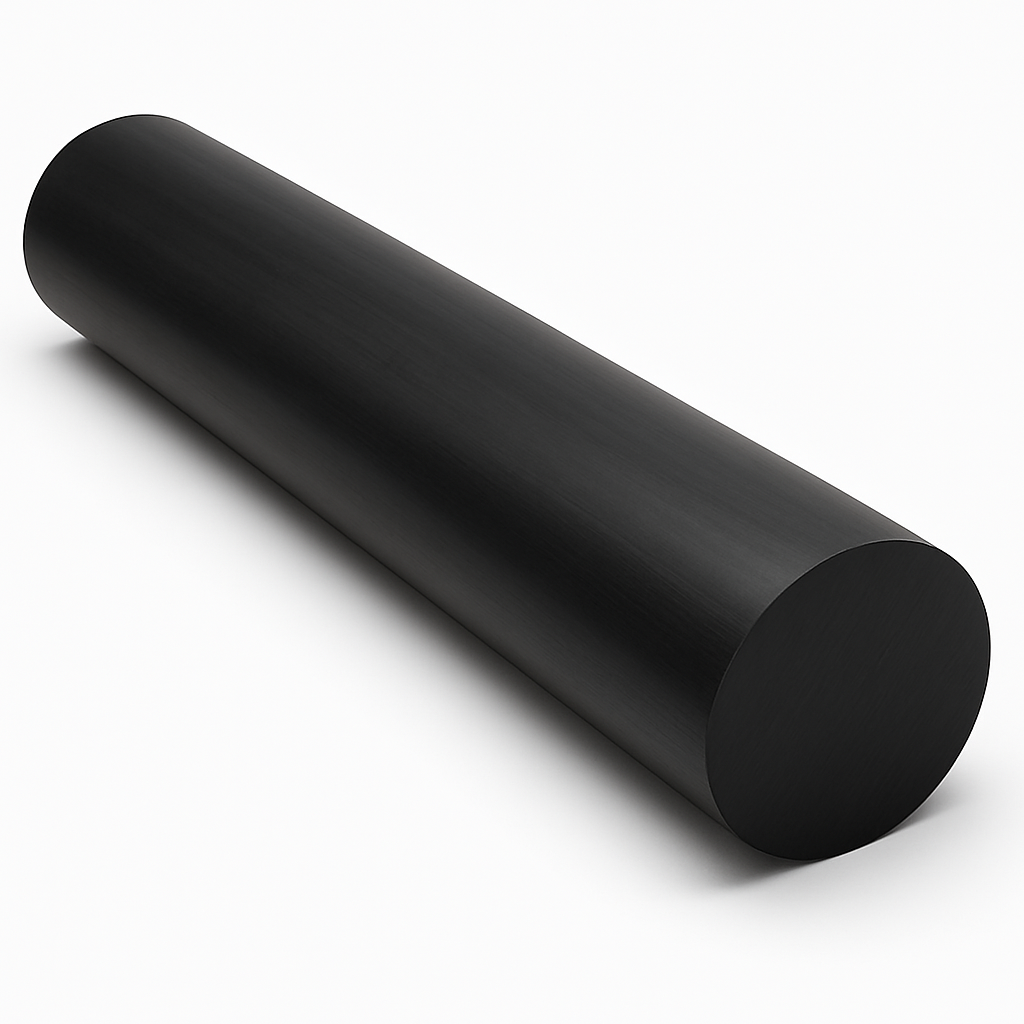
Nylon is the all-rounder: tough, cheap, and good for most washers and spacers. Acetal rod machines to tighter tolerances and absorbs almost no moisture, so it holds dimension in wet environments where nylon swells. PTFE handles chemicals and temperatures the others cannot and gives the lowest friction, which makes it the pick for sealing washers and sliding spacers in process plant. Tell us the environment and we will recommend the grade.
From Sample Part to Standing Order
No drawing needed: post us a sample washer or spacer and we will measure it, machine a matching batch, and keep the program on file. From then on a reorder is one email. Manufacturers running assembly lines set up standing orders so a box of their exact spacers arrives every month without anyone having to think about it.
Small parts are laser cut in tight nests, so material waste is minimal and per-piece prices fall quickly with quantity. A washer that costs a dollar as a one-off can cost cents in a run of five hundred.
Spec sheets sometimes name Ertalon or Ertacetal instead of nylon and acetal. See the guide to engineering plastic trade names for what each brand means.
Get a quote for washers, spacers, and small machined parts. Send dimensions, a drawing, or the part itself, and we will price it same day.
Featured Products
Products commonly used for this application.
Services Involved
Our services relevant to this use case.


Need help with your nylon washers, spacers & custom small parts project?
Our engineers provide expert guidance on material selection, design optimisation, and fabrication.
Nylon Washers, Spacers & Custom Small Parts FAQ
Why use nylon washers instead of steel washers?
What standard sizes do nylon washers come in?
What is a shoulder washer and when do I need one?
Can you machine spacers to a custom length and bore?
How do I order small parts like washers and spacers in bulk?
More in Industrial Engineering and Wear Components
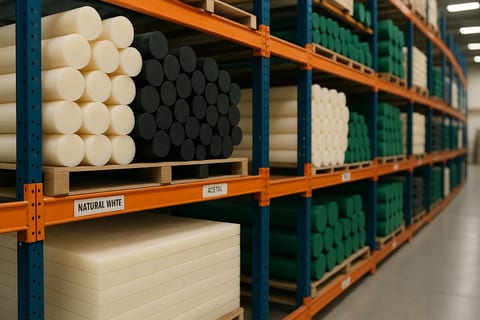
Engineering Plastic Trade Names & Equivalents
Cross-reference guide to engineering plastic trade names. Ertalon, Sustamid, Nylatron, Ertacetal, Sustarin, Polystone, Tivar, Ertalyte, and Simona matched to the nylon, acetal, UHMWPE, PET, and PVC we supply.
Read more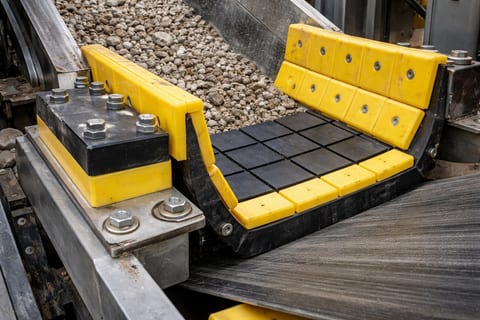
Conveyor Skirting & Transfer Point Sealing
UHMWPE and HDPE conveyor skirting boards, skirt liners, and transfer point sealing strips. Stop spillage and dust at load zones, cut to your chute and skirt dimensions.
Read more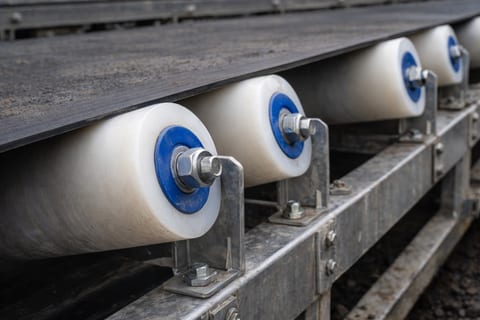
Plastic Sheaves, Pulleys & Rollers
Machined nylon and UHMWPE sheaves, rope pulleys, cable rollers, and guide wheels. Lighter than steel, kind to ropes and cables, machined to your drawing.
Read more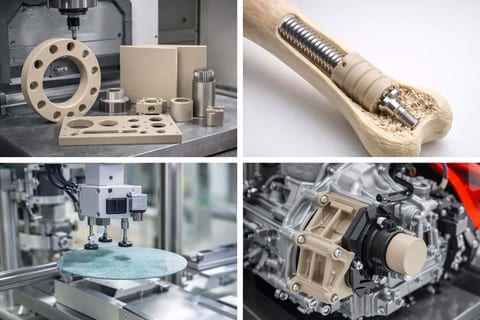
PEEK Machined Parts & Components
PEEK machined parts for extreme temperature, chemical, and wear applications. Bushes, seals, valve seats, and custom components machined from PEEK sheet and rod to your drawing.
Read more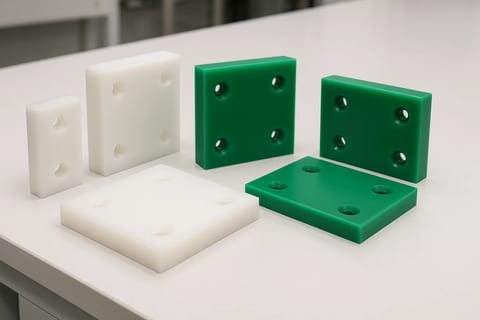
UHMWPE Wear Pads
Custom UHMWPE wear pads and slide plates engineered for chutes, conveyors and material-handling equipment. Exceptional abrasion resistance, self-lubricating properties and CNC machined to your drawings with fixing holes.
Read more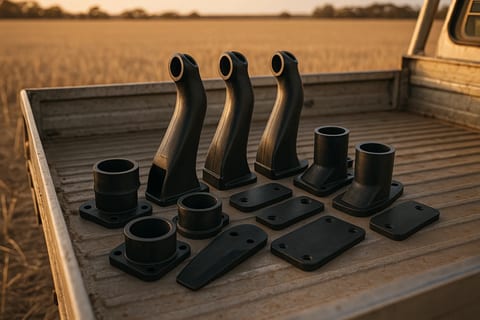
Agricultural Machinery Parts & Feed Trough Liners
CNC-machined HDPE and UHMWPE parts for farm machinery: seeder and harvester wear parts, auger flighting, chute liners, and poly feed trough liners. Machined to drawing, delivered Australia-wide.
Read moreRelated from other industries
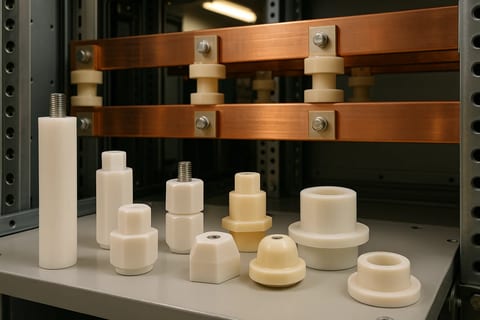
Plastic Electrical Insulators & Insulation Components
Machined plastic electrical insulators, standoffs, barriers, and busbar supports in nylon, acetal, PTFE, and polycarbonate. Cut and machined to drawing, delivered Australia-wide.
Read more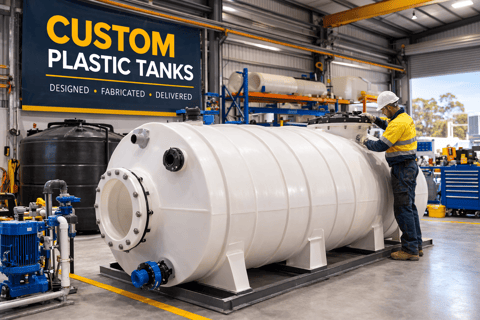
Custom Plastic Tanks
Custom-welded plastic tanks in HDPE, polypropylene, and marine-grade Seaboard. Built to your exact volume, footprint, and fitting requirements.
Read more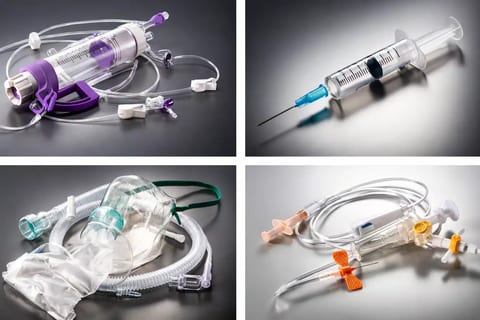
Medical Equipment Components
Precision-machined plastic components for medical device housings, fixtures and equipment parts. Acetal, nylon and acrylic, CNC-machined to spec.
Read moreReady to start your nylon washers, spacers & custom small parts project?
Join thousands of businesses across Australia who trust Perspex Online for precision-cut industrial plastics.
Guides & articles
Top 10 Ordering Mistakes With Plastic Materials (And How to Avoid Them)
Avoid common plastic ordering errors by selecting proper thickness, material type, and UV resistance; ensuring precise measurements; considering tolerances; and consulting suppliers for smooth, cost-effective projects.
Read guide →applicationsPlastic Wear Parts for Conveyor Belts: Materials, Applications, and Buying Guide
Conveyor Belts Conveyor belts fail for one simple reason: wear. Friction, abrasion, impact, moisture, and contamination slowly destroy metal components and belts, driving up downtime and maintenance costs. That is why plastic wearable parts on conveyor belts are now standard across food processing, packaging, mining, recycling, and manufacturing lines. This guide breaks down where plastic […]
Read guide →fabricationFrom CAD to Cut: The Science and Technology Behind Precision Cut-to-Size Plastics
Perspex Online uses advanced CAD/CAM, CNC routing, and laser cutting technologies for precise, high-quality plastic fabrication. They offer diverse materials, eco-friendly options, instant quotes, nationwide delivery, and expert support.
Read guide →guidesTop Plastic Material Problems-and How Expert Cutting and Fabrication Prevent Them
Expert cutting and fabrication prevent common plastic issues like melting, chipping, cracking, and scratches. Precision CNC routing, laser cutting, and proper handling ensure durable, high-quality results.
Read guide →materials7 Types of Plastic and Their Resin Identification Codes (RICs)
We’re surrounded by plastic-from food containers to clothing, it is very unmistakably a part of modern life. Not all plastics are created equal, though. Knowing the various kinds of plastic and their corresponding Resin Identification Codes (RICs) is fundamental to recycling and reuse, as well as in choosing products we consume. The resins used for […]
Read guide →industryPlastic Fabrication Trends 2023
Plastic fabrication has been a critical part of manufacturing for many years, and it continues to evolve with new technologies and trends. In 2023, we can expect to see some exciting advancements in plastic fabrication that will revolutionise the industry. Here are some of the latest plastic fabrication trends to watch out for in 2023: […]
Read guide →