
Secondary Containment Tanks
Custom-welded secondary containment tanks and bunds in HDPE and polypropylene, sized to Australian storage requirements for chemical and fuel sites.
4.8 / 5
Google Rating
24hr
Quote Turnaround
Australia Wide
Delivery
Start Your Project
Partner with Australia's leading acrylic fabrication experts. We provide end-to-end support from material selection to final delivery.
Material Consultation
Our engineers help you select the optimal grade for your specific environmental and aesthetic requirements.
CAD Support
Send us your designs in DXF, DWG, or PDF. We review every file for structural integrity and precision cutting paths.
Fast Quoting
Receive a comprehensive technical specification and competitive quote within 24 hours of your submission.
Recommended Materials
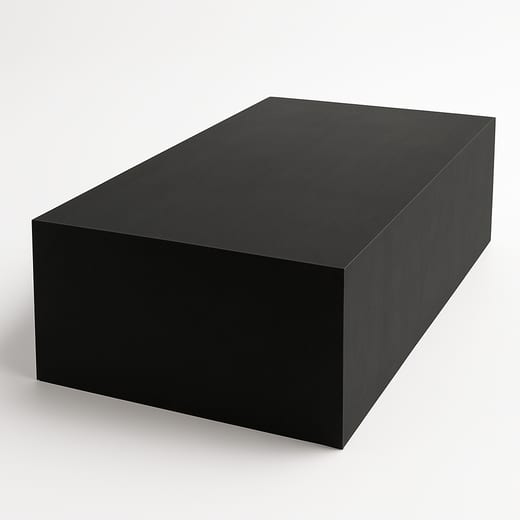
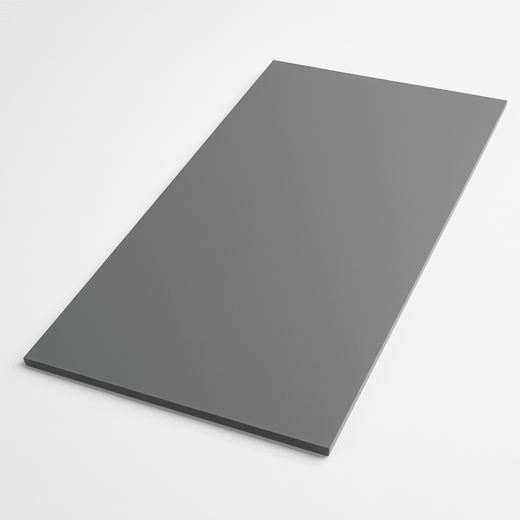
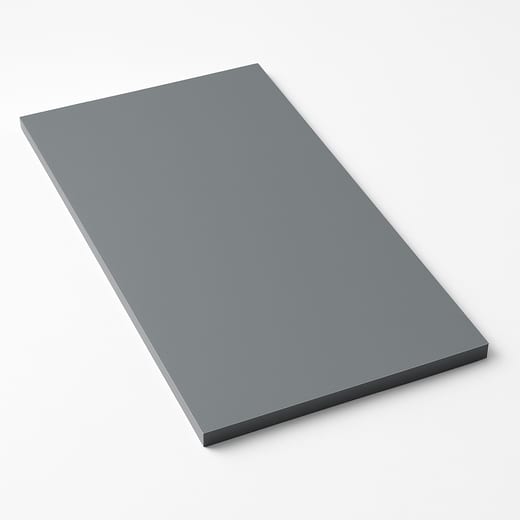
Selecting the right base material for this application.
Secondary Containment Tanks and Bunds for Regulatory Compliance
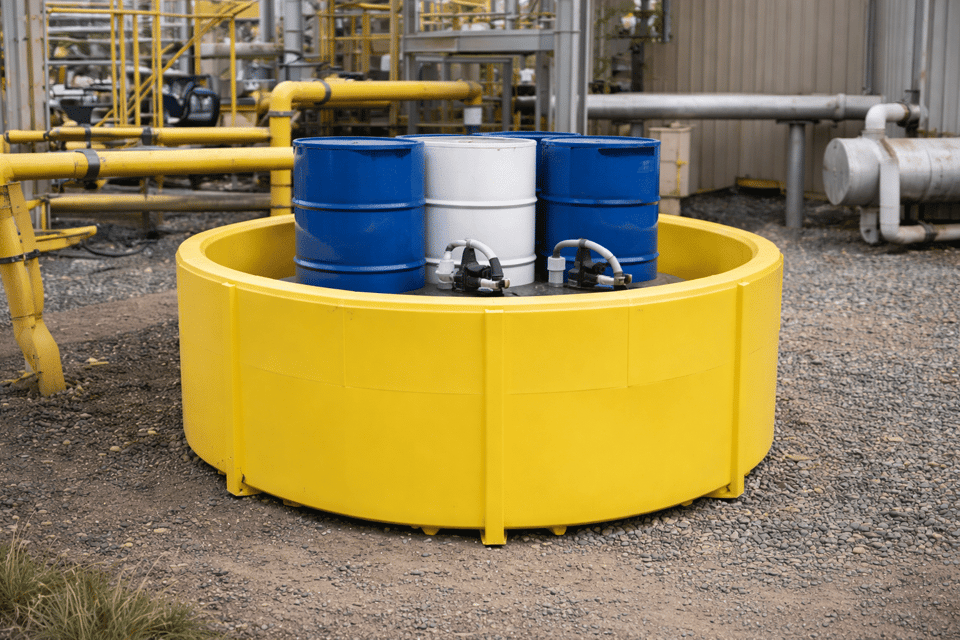
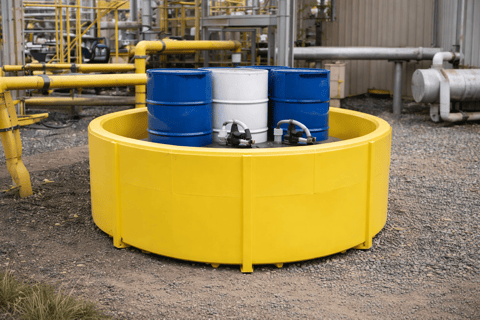
Secondary containment exists to catch a spill or leak before it reaches the ground, stormwater, or waterways, and is a standard requirement for sites storing bulk chemicals, fuels, and other regulated liquids in Australia. A welded plastic bund or containment tank sits beneath or around a primary storage tank, sized to capture the full contents of the largest tank in the bunded area plus an allowance for rainfall where the bund is outdoors.
Custom fabrication allows a bund to be shaped to fit around existing tanks, pumps, and pipework on site, rather than requiring a full re-layout of an existing chemical or fuel storage area.
Sizing Bunds to Australian Storage Requirements
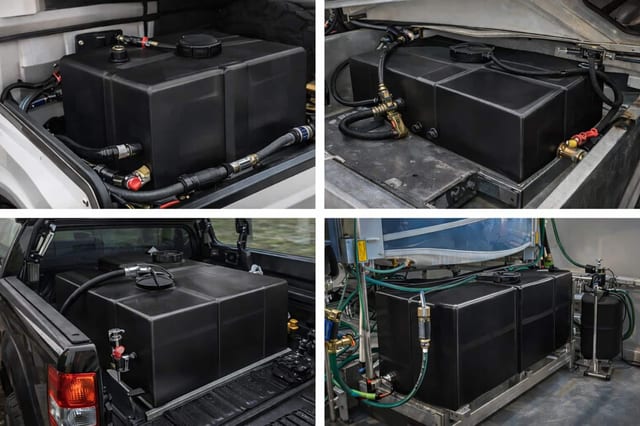
Bund capacity in Australia is generally calculated to hold 110% of the largest tank's volume, or 25% of the combined volume of all tanks in a shared bunded area, whichever is greater, though requirements vary by state, council, and the specific chemicals stored. We size and fabricate bunds to meet the volume you specify, based on advice from your compliance consultant or local authority.
Drainage points, sumps, and removable floor grating can be built into the bund design to make routine inspection and any incidental spill cleanup straightforward.
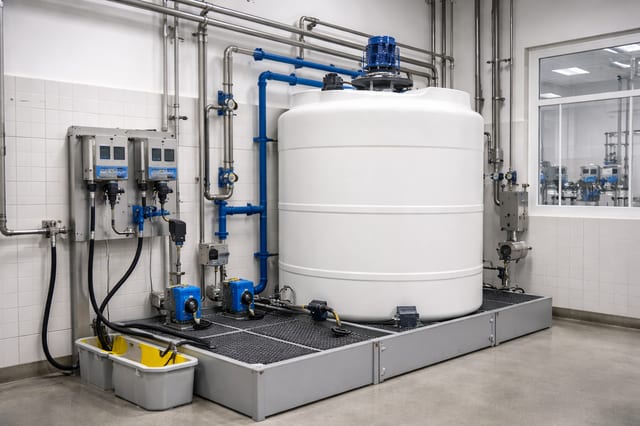
Materials for Compliant Secondary Containment
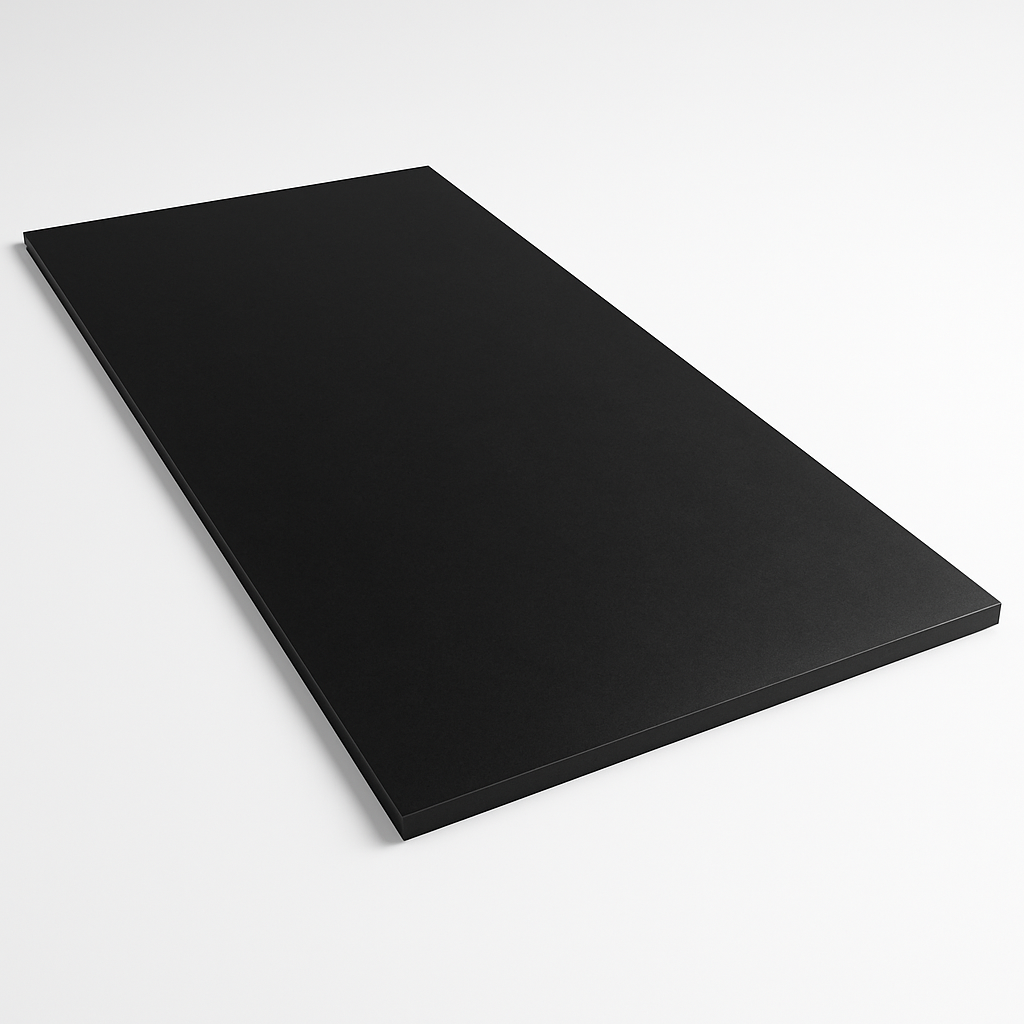
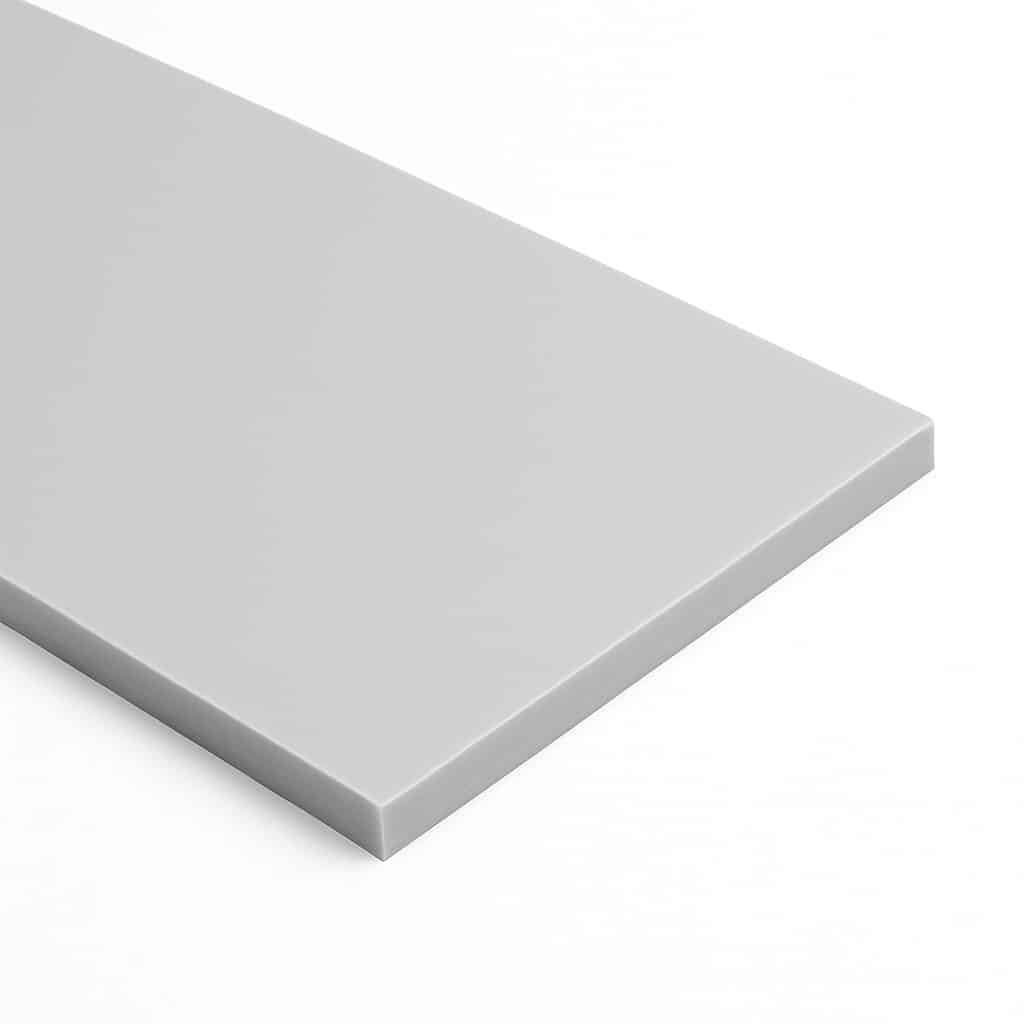
HDPE sheet is the most common material for secondary containment structures, chosen for broad chemical resistance and ease of welding into large, low, rectangular bund shapes. Polypropylene is specified where the stored chemical falls outside HDPE's resistance range or where the bund will see elevated temperatures. Rigid PVC sheet is used for smaller ancillary bunds or drip trays rather than large primary containment structures.
Wall height and floor thickness are calculated based on required containment volume and any expected foot or vehicle traffic across the bund floor.
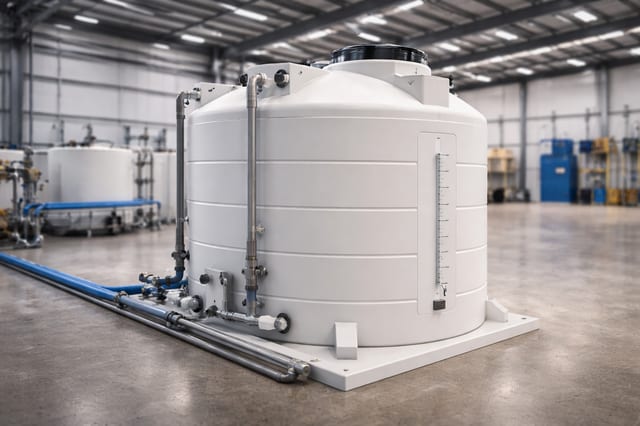
Portable and Relocatable Bund Systems
For temporary work sites, maintenance shutdowns, and mobile plant, a portable bund that can be deployed around equipment and removed when the job is done provides compliant secondary containment without permanent installation. We fabricate collapsible and flat-pack bund designs in HDPE that fold down for transport and set up quickly on site.
Relocatable bunds are also useful for sites with changing tank configurations, where a fixed bund would need demolition and rebuilding every time storage arrangements are modified.
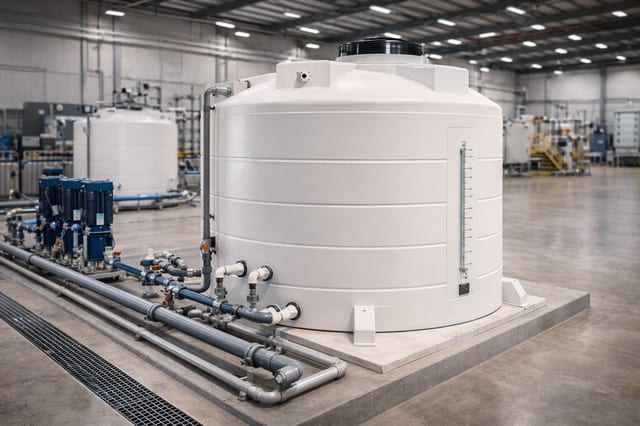
Integrating Bunds With Existing Tank Farms
For sites with an existing tank farm, we can fabricate a bund to fit the current tank footprint and pipe runs without requiring tanks to be relocated, minimising disruption to an operating facility.
Provide your tank dimensions, the chemical or fuel stored, and your required containment volume, and we will fabricate a bund or containment tank to suit.
Featured Products
Products commonly used for this application.
Services Involved
Our services relevant to this use case.


Need help with your secondary containment tanks project?
Our engineers provide expert guidance on material selection, design optimisation, and fabrication.
Secondary Containment Tanks FAQ
How is secondary containment volume calculated?
What material should a bund be made from?
Can a bund be built around existing tanks without relocating them?
Do bunds need drainage or sump points?
Can bunds be portable or relocatable?
More in Tanks Fluid and Containment Systems
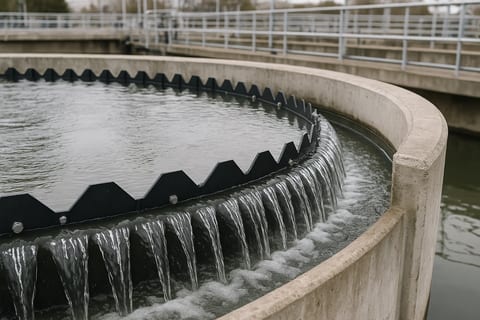
Wastewater Treatment Components: Weir Plates & Baffles
CNC-machined HDPE weir plates, baffle plates, launder covers, and clarifier components for water and wastewater treatment plants. Chemical-resistant, cut to drawing, delivered Australia-wide.
Read more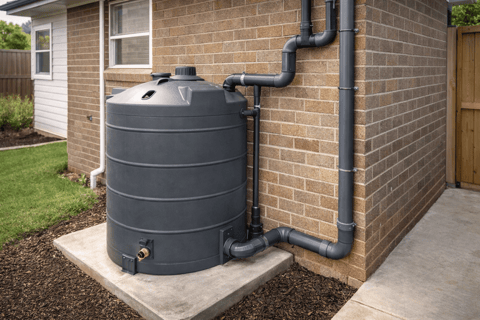
Waste & Grey Water Tanks
Plastic materials are commonly used for wastewater storage tanks because they offer corrosion resistance, chemical compatibility, and long-term durability in wet environments. Unlike metal tanks,…
Read more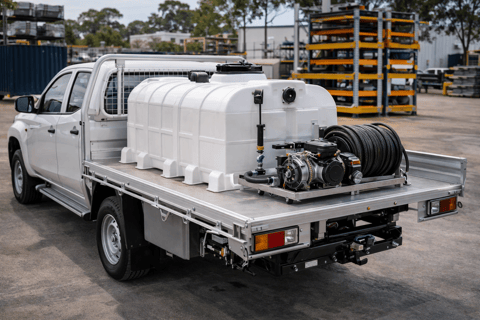
Vehicle-Mounted Plastic Tanks
Vehicle-mounted plastic tanks are used for storing water, waste, fuel, chemicals, and process fluids in utes, 4×4 vehicles, trucks, trailers, and service vehicles.
Read more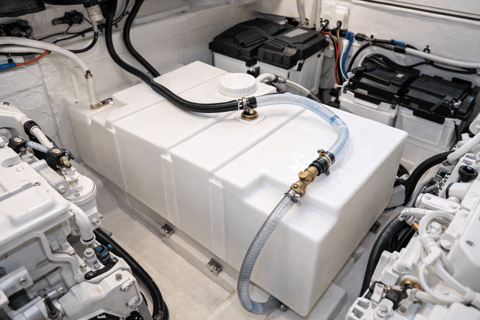
Marine Tanks
Custom-welded marine tanks in HDPE and Seaboard marine-grade plastic for boats and vessels. Baffled, fitted, and shaped to your hull cavity.
Read more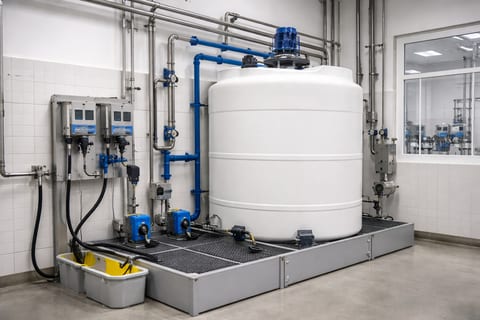
Chemical Storage Tanks
Custom-welded chemical storage tanks in HDPE, polypropylene, and PVC. Chemically resistant, bunded options available, built to spec.
Read more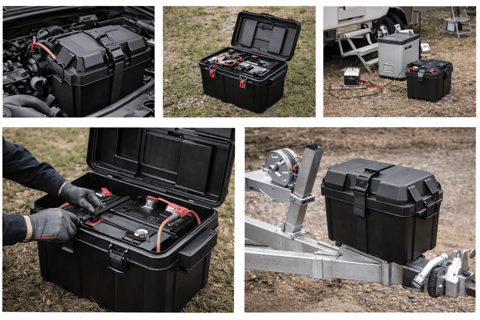
Battery Box
Plastic materials are widely used for battery boxes because they provide chemical resistance, corrosion resistance, and electrical insulation. These properties are particularly important in battery…
Read moreRelated from other industries
Splash Guards for Veterinary Clinics & Animal Wash Stations
PVC splash guards and wet area wall linings for veterinary treatment rooms, animal wash stations, grooming parlours, and kennel wash bays. Moisture-proof, easy to remove and clean.
Read more Cage & Aviary Panels for Bird Rescue and Wildlife Rehab
Large-format PVC panels for flight aviaries, bat houses, bird rehabilitation enclosures, and wildlife housing. Cut to size, drilled for ventilation, and built to withstand daily hosing.
Read more Animal Shelter Kennel Dividers & Pound Panels
Modular PVC kennel dividers and pen panels for animal shelters, council pounds, boarding kennels, and RSPCA facilities. Moisture-proof, easy to disinfect, and built to your kennel dimensions.
Read moreReady to start your secondary containment tanks project?
Join thousands of businesses across Australia who trust Perspex Online for precision-cut industrial plastics.
Guides & articles
Top 10 Ordering Mistakes With Plastic Materials (And How to Avoid Them)
Avoid common plastic ordering errors by selecting proper thickness, material type, and UV resistance; ensuring precise measurements; considering tolerances; and consulting suppliers for smooth, cost-effective projects.
Read guide →applicationsPlastic Wear Parts for Conveyor Belts: Materials, Applications, and Buying Guide
Conveyor Belts Conveyor belts fail for one simple reason: wear. Friction, abrasion, impact, moisture, and contamination slowly destroy metal components and belts, driving up downtime and maintenance costs. That is why plastic wearable parts on conveyor belts are now standard across food processing, packaging, mining, recycling, and manufacturing lines. This guide breaks down where plastic […]
Read guide →guidesThe Ultimate Guide to Choosing Cut-to-Size Plastic Sheets for Trade and DIY Projects
Guide to cut-to-size plastic sheets: choose the right material (acrylic for clarity, polycarbonate for strength), select proper thickness and finish for durability and look, and use precision cutting and custom fabrication for best results.
Read guide →fabricationFrom CAD to Cut: The Science and Technology Behind Precision Cut-to-Size Plastics
Perspex Online uses advanced CAD/CAM, CNC routing, and laser cutting technologies for precise, high-quality plastic fabrication. They offer diverse materials, eco-friendly options, instant quotes, nationwide delivery, and expert support.
Read guide →guidesTop Plastic Material Problems-and How Expert Cutting and Fabrication Prevent Them
Expert cutting and fabrication prevent common plastic issues like melting, chipping, cracking, and scratches. Precision CNC routing, laser cutting, and proper handling ensure durable, high-quality results.
Read guide →materials7 Types of Plastic and Their Resin Identification Codes (RICs)
We’re surrounded by plastic-from food containers to clothing, it is very unmistakably a part of modern life. Not all plastics are created equal, though. Knowing the various kinds of plastic and their corresponding Resin Identification Codes (RICs) is fundamental to recycling and reuse, as well as in choosing products we consume. The resins used for […]
Read guide →