
Plastic Electrical Insulators & Insulation Components
Machined plastic electrical insulators, standoffs, barriers, and busbar supports in nylon, acetal, PTFE, and polycarbonate. Cut and machined to drawing, delivered Australia-wide.
4.8 / 5
Google Rating
24hr
Quote Turnaround
Australia Wide
Delivery
Start Your Project
Partner with Australia's leading acrylic fabrication experts. We provide end-to-end support from material selection to final delivery.
Material Consultation
Our engineers help you select the optimal grade for your specific environmental and aesthetic requirements.
CAD Support
Send us your designs in DXF, DWG, or PDF. We review every file for structural integrity and precision cutting paths.
Fast Quoting
Receive a comprehensive technical specification and competitive quote within 24 hours of your submission.
Recommended Materials
Selecting the right base material for this application.
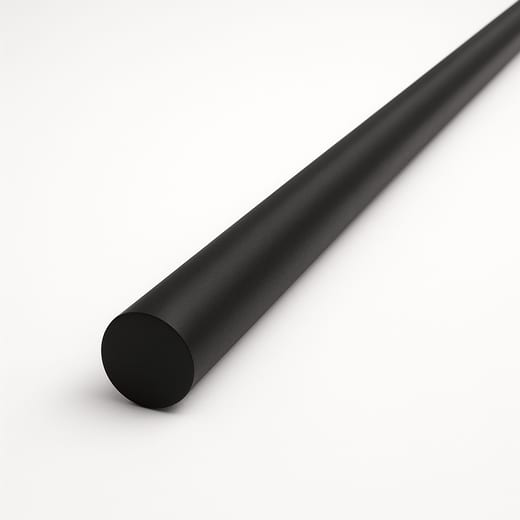
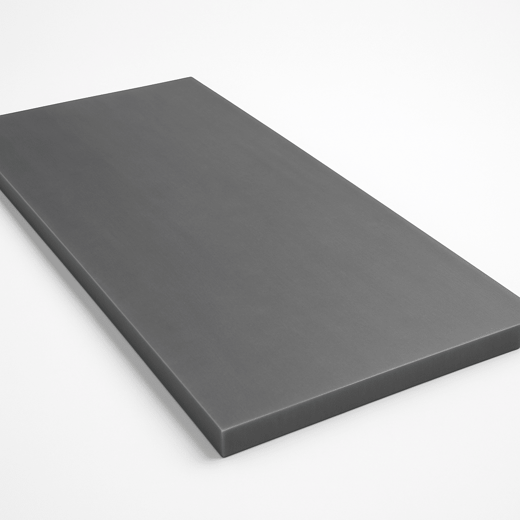
Why Electrical Equipment Runs on Plastic Insulators
Every switchboard, battery bank, and piece of electrical equipment depends on insulators: components that separate live conductors from each other and from earthed metal. Engineering plastics are the modern insulator materials of choice because they combine high dielectric strength with machinability, letting one material do the electrical job and the mechanical job at once. We machine insulating components from nylon, acetal, PTFE, and polycarbonate to drawing.
Choosing the Right Insulating Material
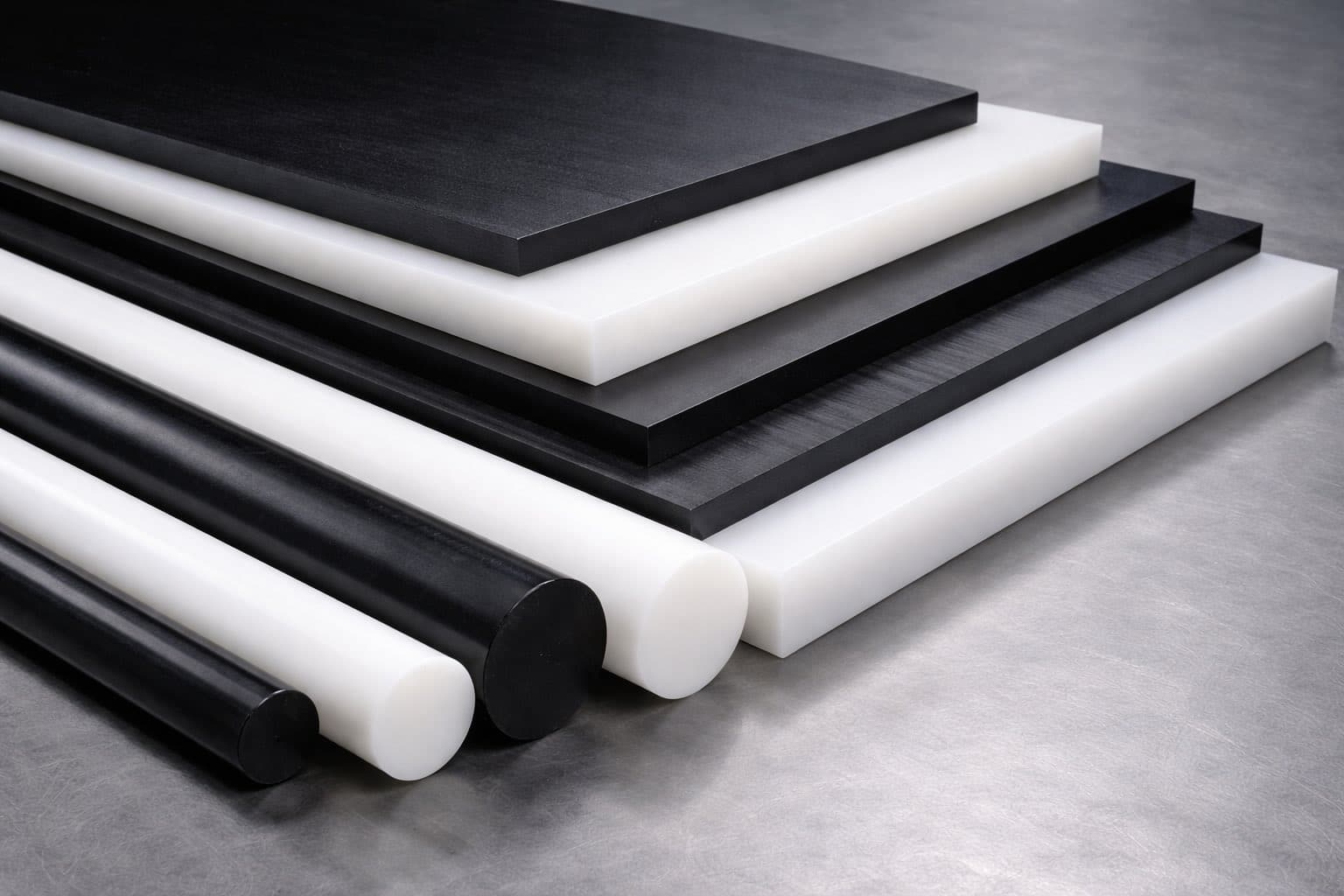
Nylon is the workhorse: an excellent insulator that is also tough enough for structural standoffs, bushes, and supports. Acetal machines to finer tolerances for precision terminal components. PTFE offers the highest dielectric strength plus heat and chemical resistance, which is why it lines high-frequency and high-temperature equipment. Polycarbonate adds impact strength and transparency for covers, guards, and phase barriers where technicians need to see the equipment behind the panel.
Busbar Supports and Phase Barriers
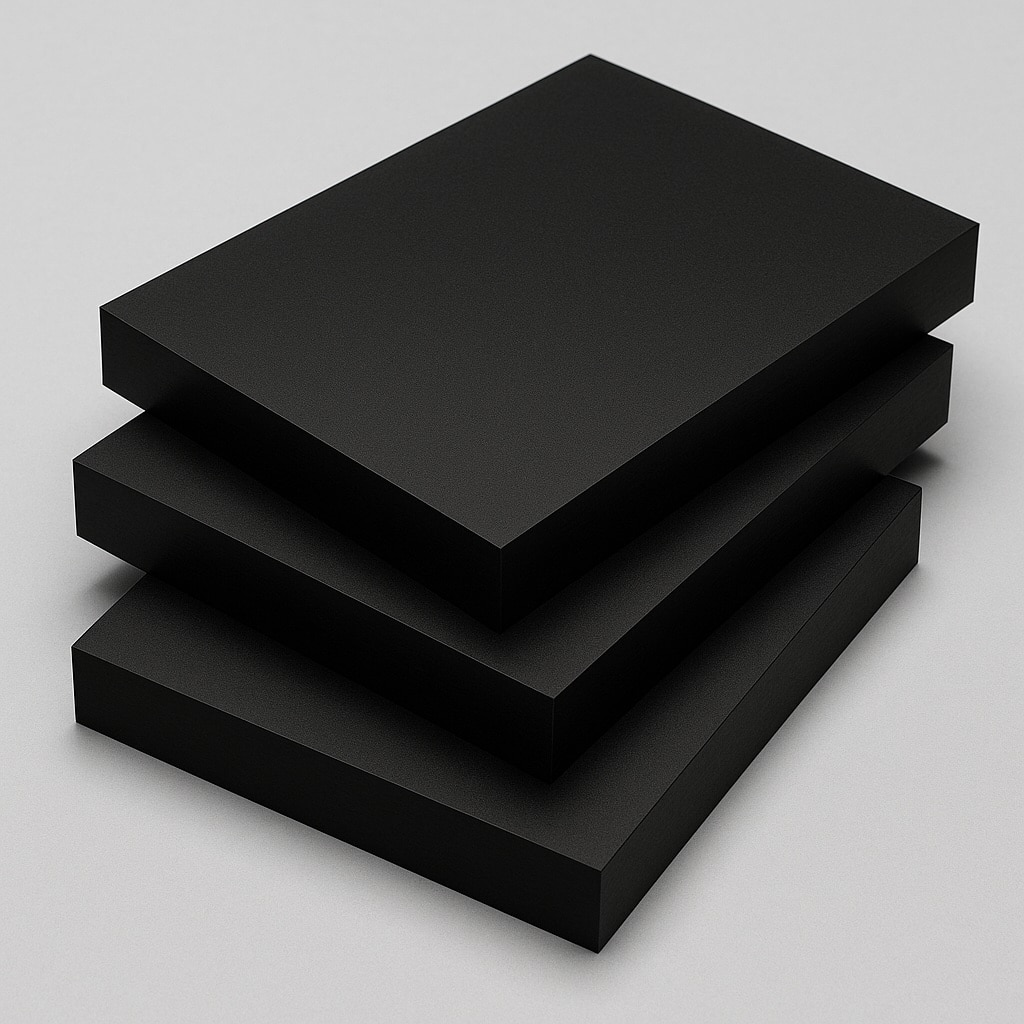
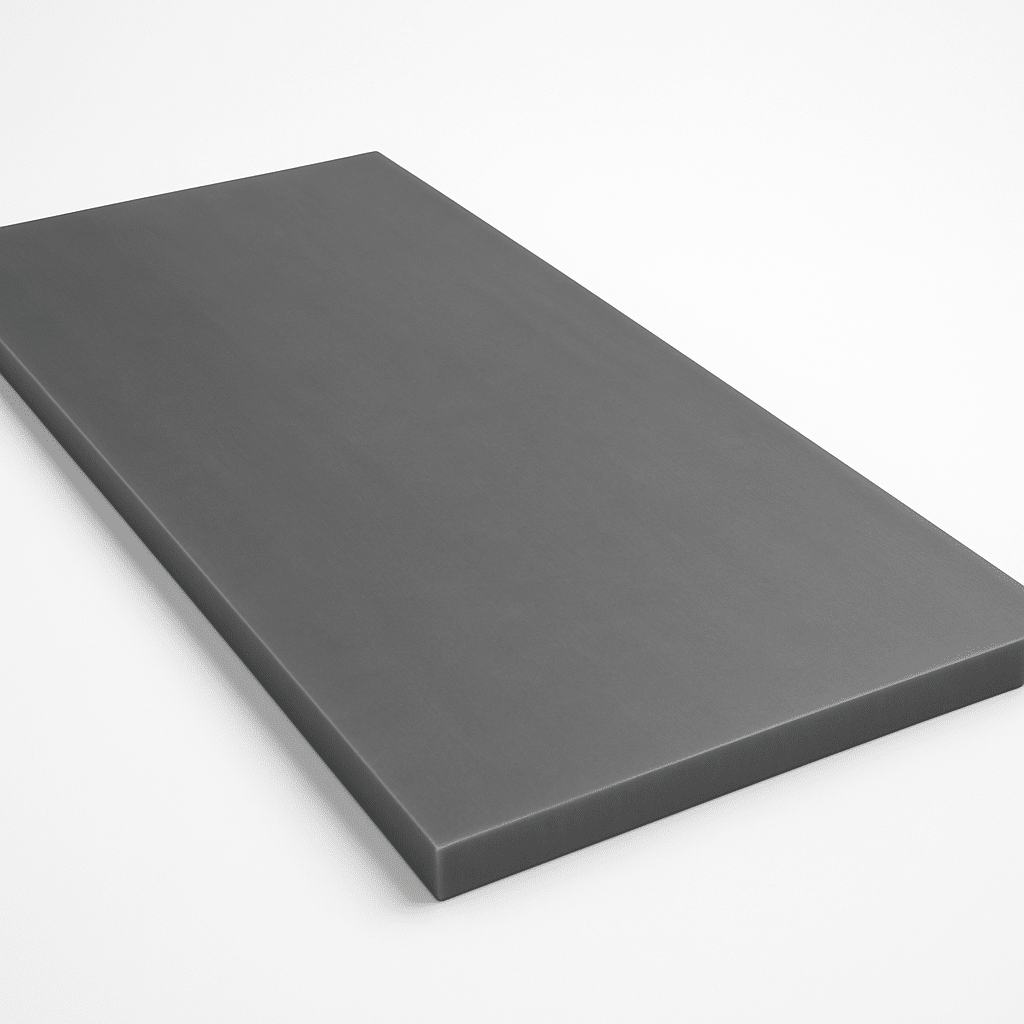
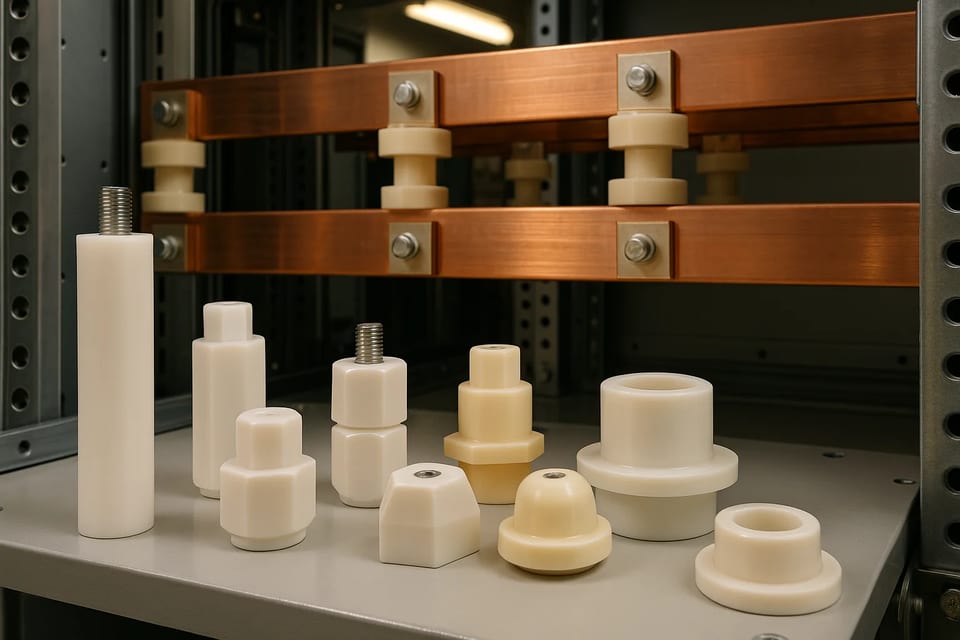
Switchboard builders order machined busbar supports, spacers, and phase barriers cut to their panel layouts. Plastic barriers between phases and between live parts and doors are cut from rigid insulating sheet with folds, cutouts, and fixing holes done before dispatch. For retrofit work in older boards we copy the existing barrier geometry so the replacement drops straight in.
Standoffs, Bushes, and Terminal Components
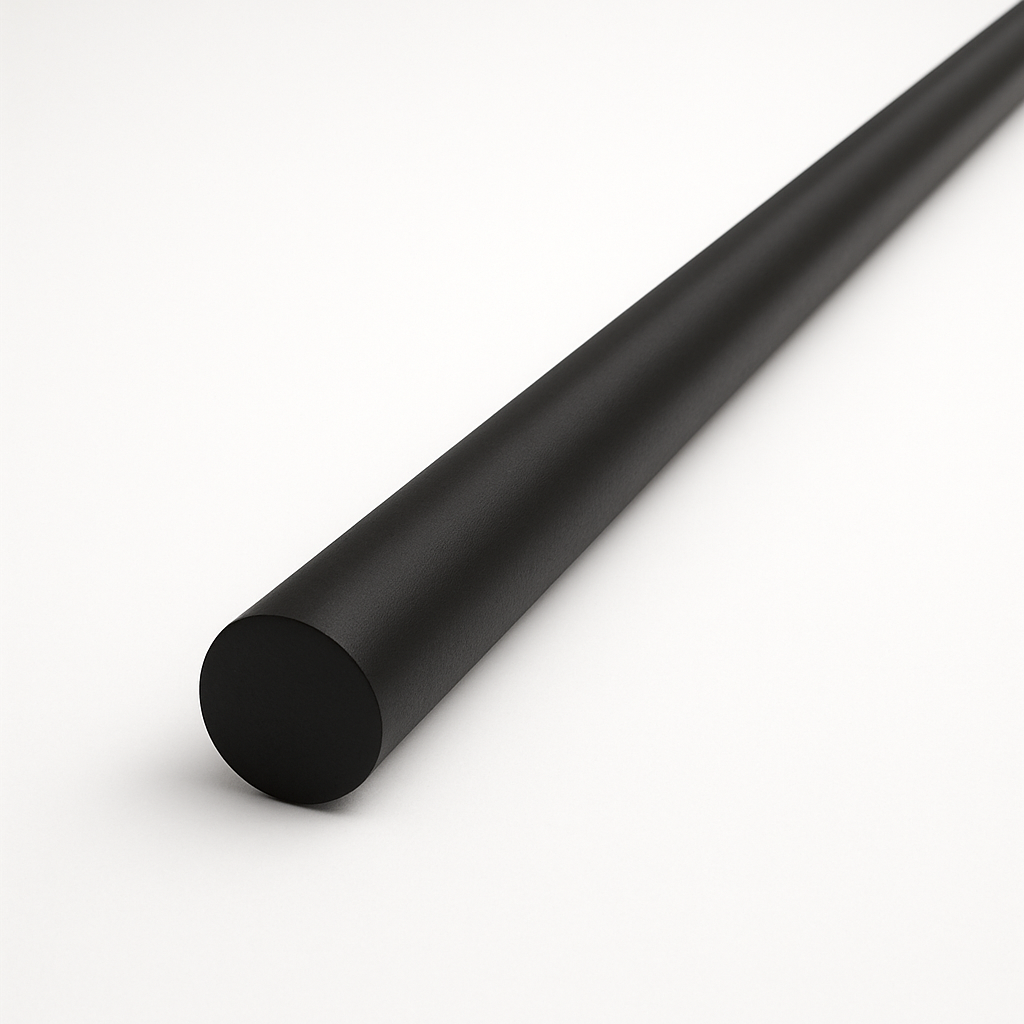
Insulating standoffs and shoulder bushes isolate fasteners and mountings from live or earthed metal. We machine them on the CNC lathe from solid rod to your dimensions, along with terminal boards, coil formers, and mounting blocks routed from sheet. Battery installations, solar inverter assemblies, and instrumentation panels all run on these small machined parts.
Replacements for Obsolete Switchgear
When a fifty-year-old switchboard cracks an insulator, the original maker is long gone. Send us the broken part and we will reverse-engineer and machine a replacement in a modern material that outperforms the original bakelite or ceramic. The program stays on file, so the next failure is solved with one email.
What Makes a Good Insulator
An insulator resists the flow of electric current because its electrons are tightly bound, unlike the free electrons in conductors such as copper. In practice the measures that matter are dielectric strength (the voltage a thickness can withstand), surface resistance to tracking, and stability with heat and moisture. Engineering plastics score well on all three, which is why they replaced ceramics and bakelite in most low-voltage equipment.
From One-Off Repairs to Panel-Builder Batches
We supply single replacement insulators with fast turnaround for breakdown repairs, and production batches for switchboard and equipment manufacturers, CNC routed and machined to consistent tolerances with material certificates available for compliance records.
Get a quote for electrical insulators and insulation components. Send a drawing, a sample part, or the equipment details and we will recommend the material and price it same day.
Featured Products
Products commonly used for this application.
Services Involved
Our services relevant to this use case.


Need help with your plastic electrical insulators & insulation components project?
Our engineers provide expert guidance on material selection, design optimisation, and fabrication.
Plastic Electrical Insulators & Insulation Components FAQ
What is an electrical insulator?
Which plastic is the best electrical insulator?
Can you machine insulators to an electrical drawing?
Do you make replacement insulators for old switchboards?
Are plastic insulators rated for high voltage?
More in Energy Data and Technical Enclosures

Lighting Diffuser Panels & Egg Crate Louvres
Light diffuser panels, prismatic diffusers, opal acrylic, and egg crate louvres cut to size for troffers, skylights, and LED fittings. Replacements for any fitting, delivered Australia-wide.
Read more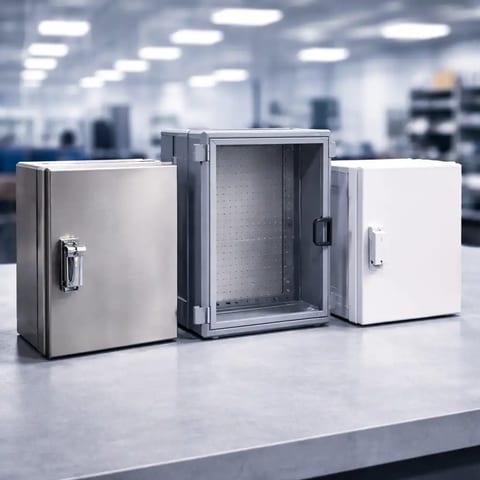
Electrical Enclosures
Custom plastic enclosures for switchboards, junction boxes and control panels. Non-conductive PVC, HDPE and acrylic, CNC-cut to size for electricians.
Read more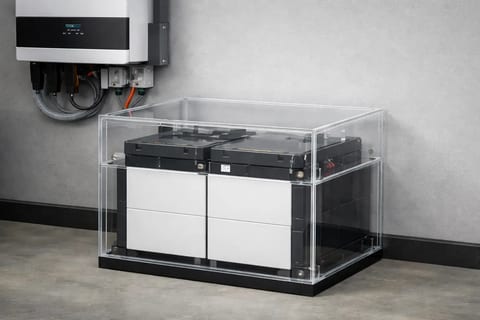
Solar Battery Covers
Weatherproof plastic covers for home battery storage and inverter units. UV-stable HDPE and polycarbonate, cut and vacuum-formed to size.
Read more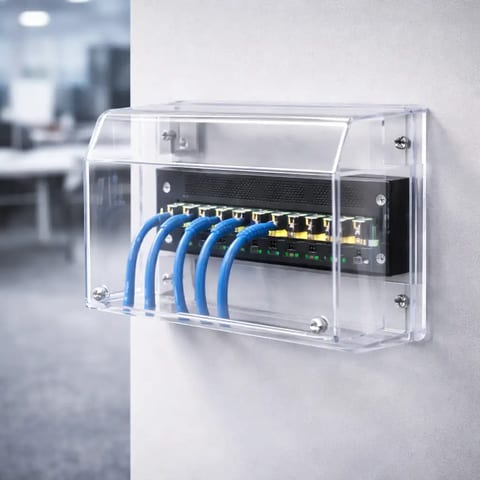
Data Switch Covers
Protective plastic covers for network switches and patch panels. Clear acrylic and polycarbonate options, cut to size and laser-etched for ports and labels.
Read more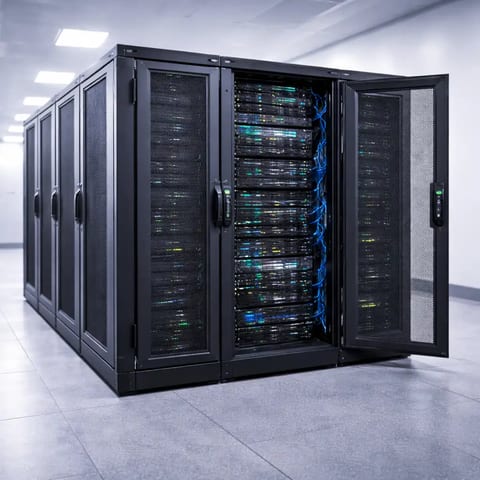
Data Centre Enclosures
Custom plastic enclosures for data centre racks, patch panels and comms cabinets. Impact-resistant polycarbonate and acrylic, CNC-cut to size in Australia.
Read moreRelated from other industries
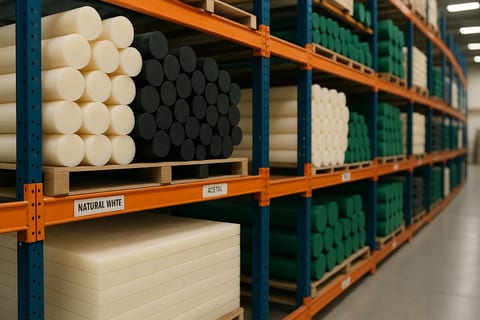
Engineering Plastic Trade Names & Equivalents
Cross-reference guide to engineering plastic trade names. Ertalon, Sustamid, Nylatron, Ertacetal, Sustarin, Polystone, Tivar, Ertalyte, and Simona matched to the nylon, acetal, UHMWPE, PET, and PVC we supply.
Read more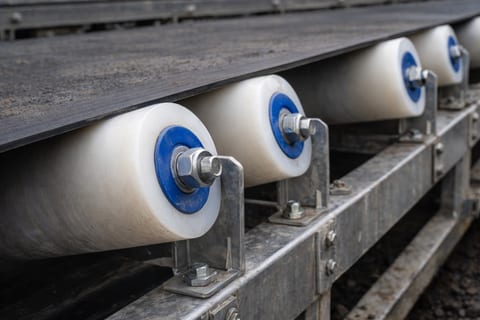
Plastic Sheaves, Pulleys & Rollers
Machined nylon and UHMWPE sheaves, rope pulleys, cable rollers, and guide wheels. Lighter than steel, kind to ropes and cables, machined to your drawing.
Read more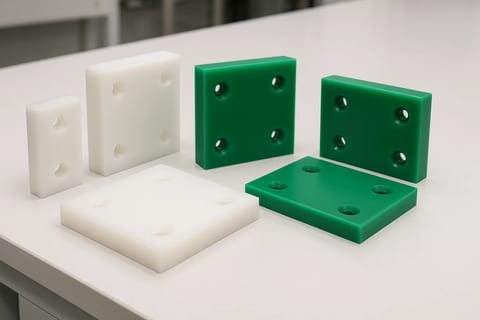
UHMWPE Wear Pads
Custom UHMWPE wear pads and slide plates engineered for chutes, conveyors and material-handling equipment. Exceptional abrasion resistance, self-lubricating properties and CNC machined to your drawings with fixing holes.
Read moreReady to start your plastic electrical insulators & insulation components project?
Join thousands of businesses across Australia who trust Perspex Online for precision-cut industrial plastics.
Guides & articles
Top 10 Ordering Mistakes With Plastic Materials (And How to Avoid Them)
Avoid common plastic ordering errors by selecting proper thickness, material type, and UV resistance; ensuring precise measurements; considering tolerances; and consulting suppliers for smooth, cost-effective projects.
Read guide →applicationsPlastic Wear Parts for Conveyor Belts: Materials, Applications, and Buying Guide
Conveyor Belts Conveyor belts fail for one simple reason: wear. Friction, abrasion, impact, moisture, and contamination slowly destroy metal components and belts, driving up downtime and maintenance costs. That is why plastic wearable parts on conveyor belts are now standard across food processing, packaging, mining, recycling, and manufacturing lines. This guide breaks down where plastic […]
Read guide →fabricationFrom CAD to Cut: The Science and Technology Behind Precision Cut-to-Size Plastics
Perspex Online uses advanced CAD/CAM, CNC routing, and laser cutting technologies for precise, high-quality plastic fabrication. They offer diverse materials, eco-friendly options, instant quotes, nationwide delivery, and expert support.
Read guide →guidesTop Plastic Material Problems-and How Expert Cutting and Fabrication Prevent Them
Expert cutting and fabrication prevent common plastic issues like melting, chipping, cracking, and scratches. Precision CNC routing, laser cutting, and proper handling ensure durable, high-quality results.
Read guide →materials7 Types of Plastic and Their Resin Identification Codes (RICs)
We’re surrounded by plastic-from food containers to clothing, it is very unmistakably a part of modern life. Not all plastics are created equal, though. Knowing the various kinds of plastic and their corresponding Resin Identification Codes (RICs) is fundamental to recycling and reuse, as well as in choosing products we consume. The resins used for […]
Read guide →industryPlastic Fabrication Trends 2023
Plastic fabrication has been a critical part of manufacturing for many years, and it continues to evolve with new technologies and trends. In 2023, we can expect to see some exciting advancements in plastic fabrication that will revolutionise the industry. Here are some of the latest plastic fabrication trends to watch out for in 2023: […]
Read guide →