
Conveyor Belt Plastics
UHMWPE and HDPE wear strips, guide rails and slider beds for conveyor systems. Low friction, high abrasion resistance, cut to size for mining, food and packaging.
4.8 / 5
Google Rating
24hr
Quote Turnaround
Australia Wide
Delivery
Start Your Project
Partner with Australia's leading acrylic fabrication experts. We provide end-to-end support from material selection to final delivery.
Material Consultation
Our engineers help you select the optimal grade for your specific environmental and aesthetic requirements.
CAD Support
Send us your designs in DXF, DWG, or PDF. We review every file for structural integrity and precision cutting paths.
Fast Quoting
Receive a comprehensive technical specification and competitive quote within 24 hours of your submission.
Recommended Materials
Selecting the right base material for this application.
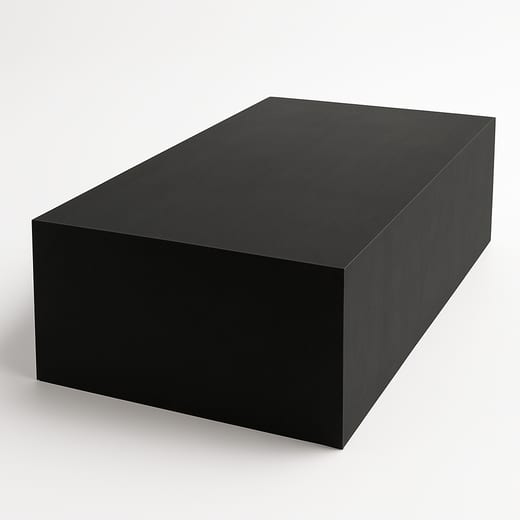
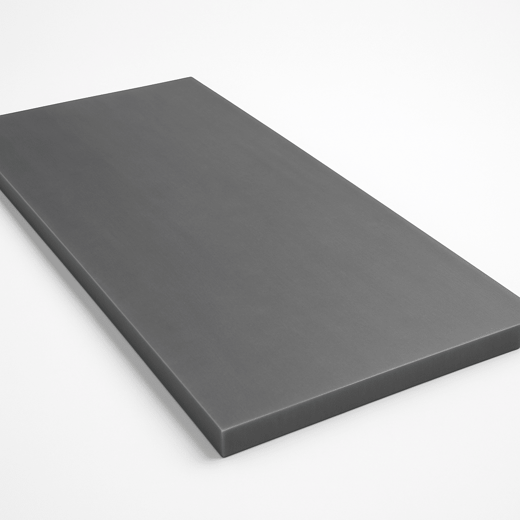
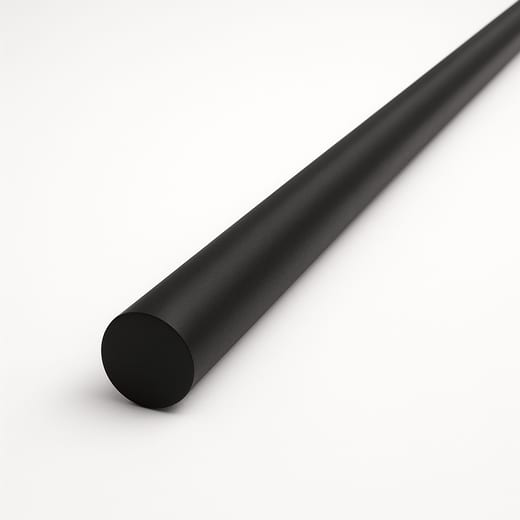
Plastic Components That Keep Conveyors Running
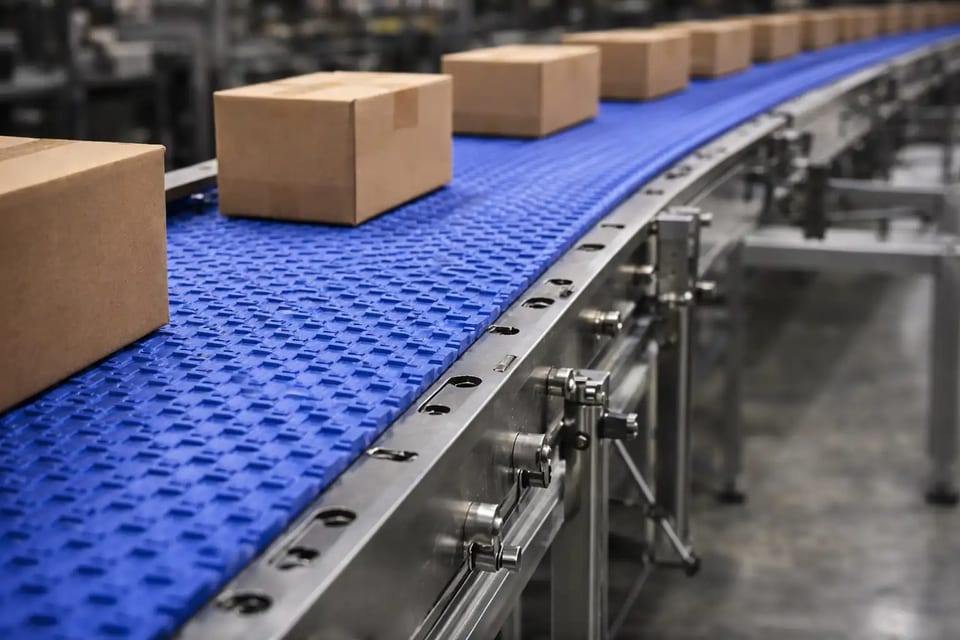
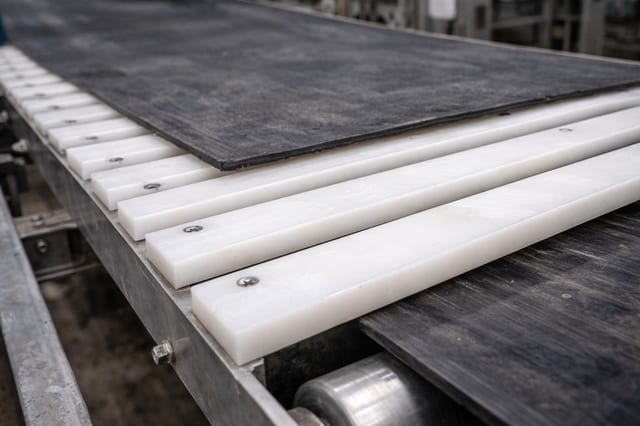
Belt conveyors live or die on friction. Steel or timber slider beds and guide rails wear fast, drag on the belt, and increase motor load: UHMWPE and HDPE wear components fix all three by giving the belt a low-friction, self-lubricating surface that also outlasts most metals in abrasive or wet conditions.
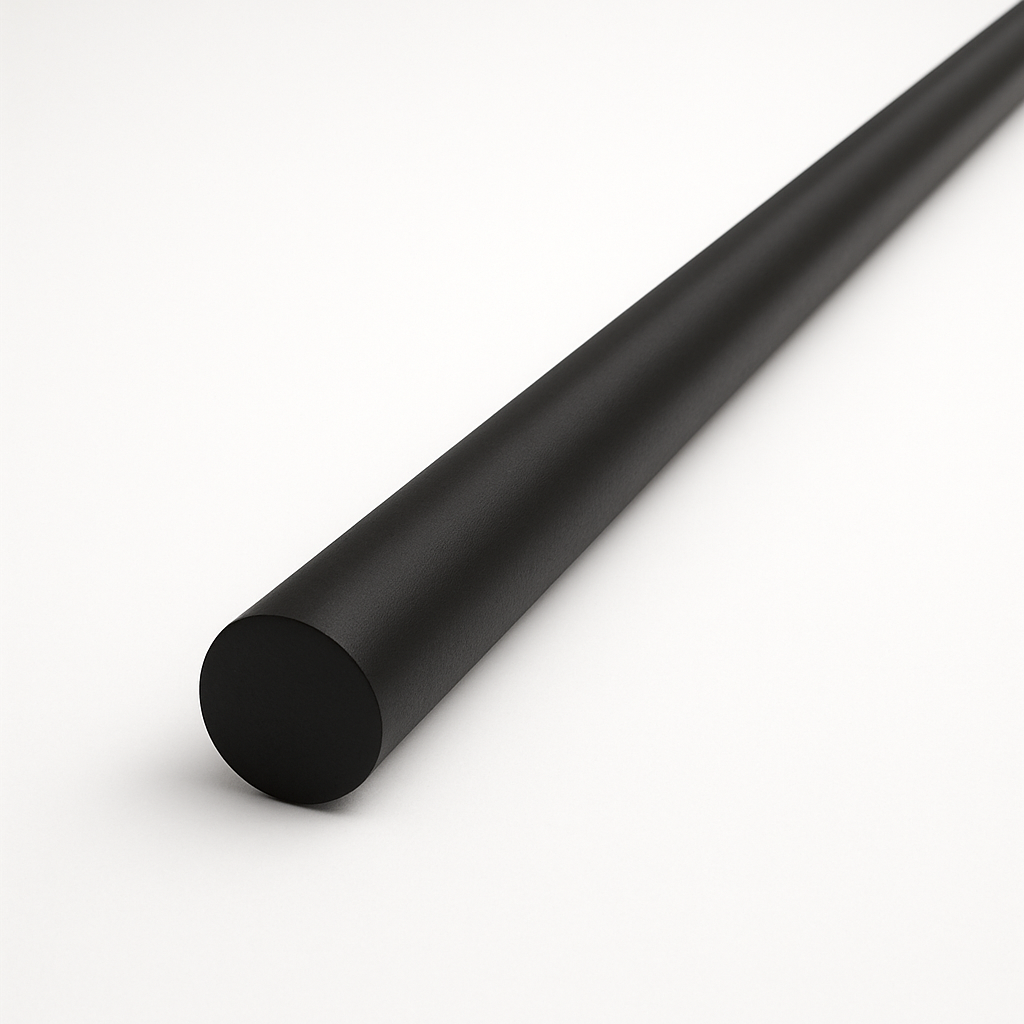
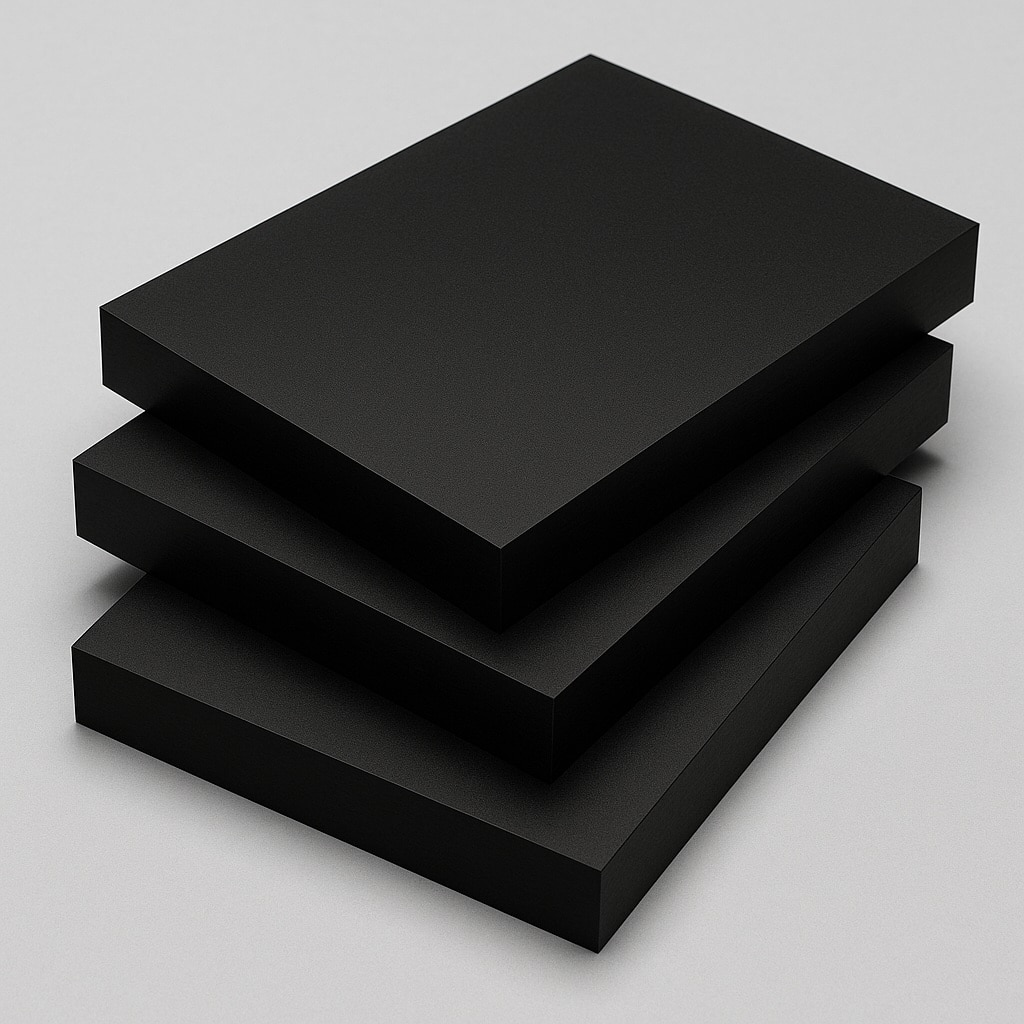
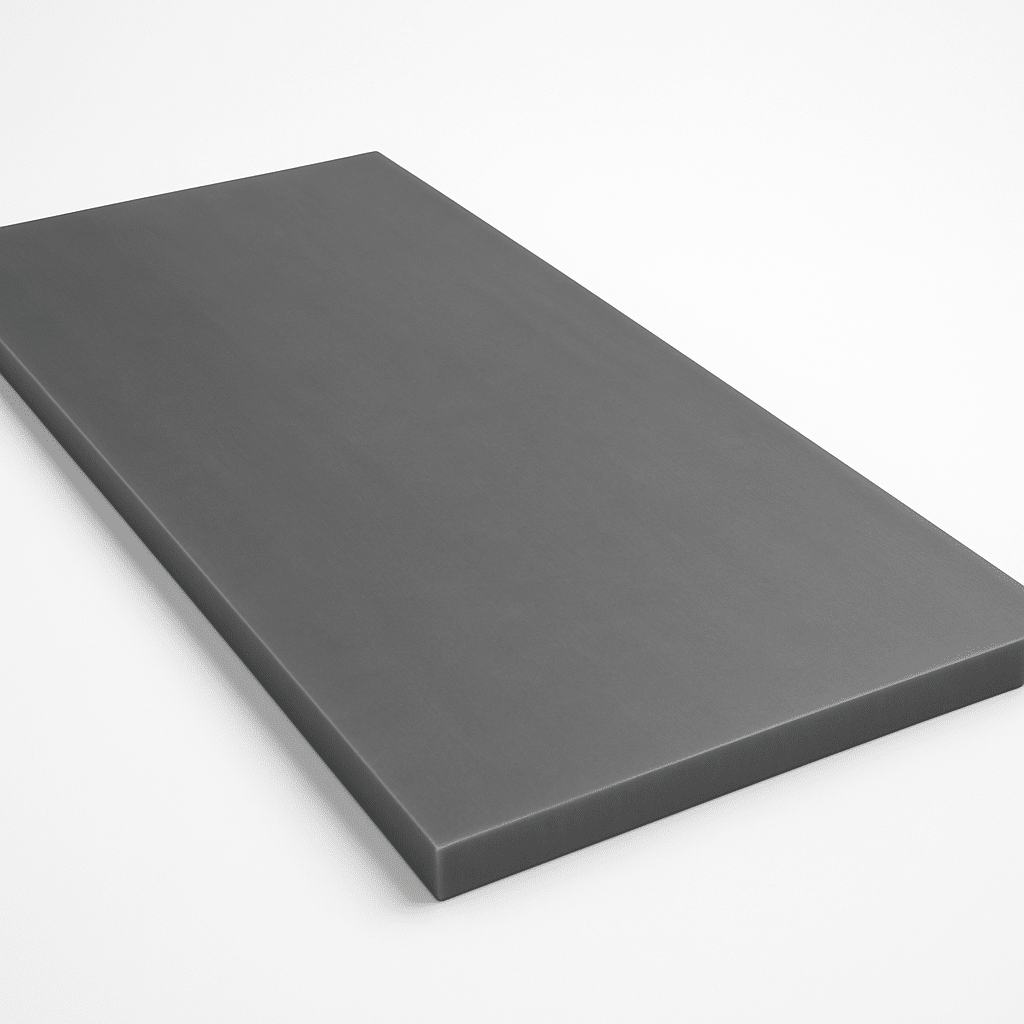
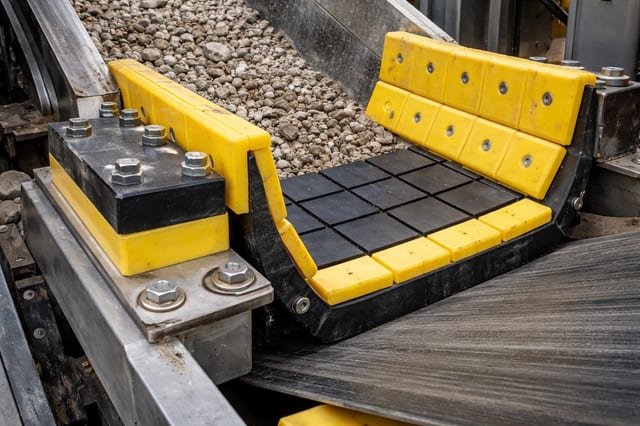
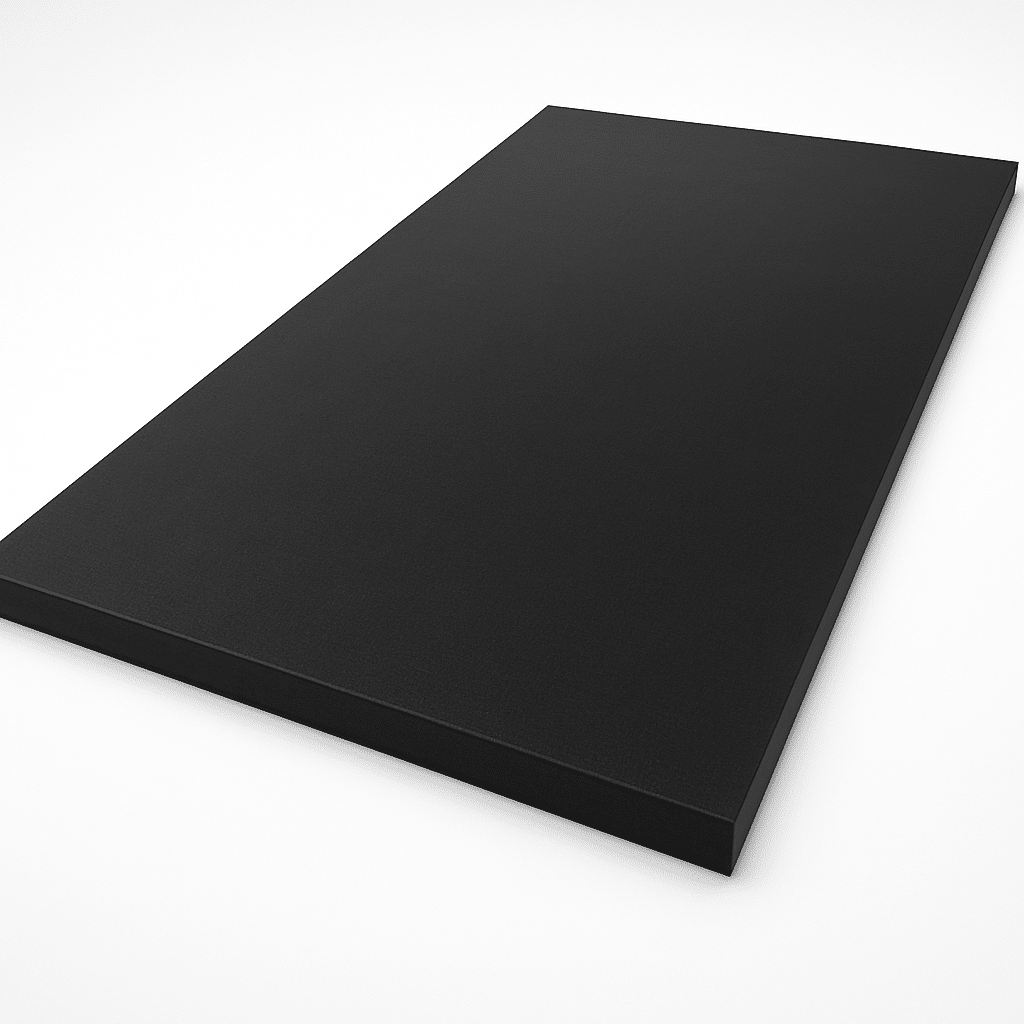
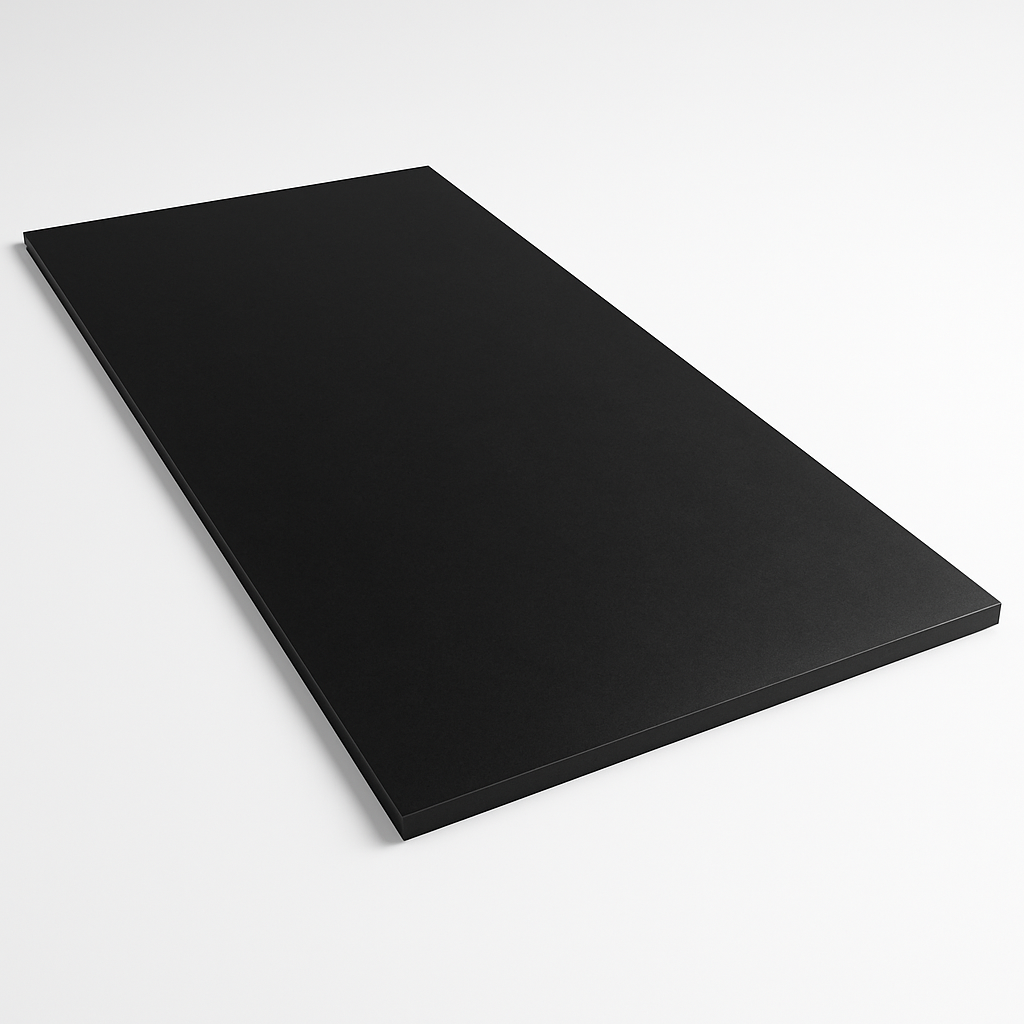
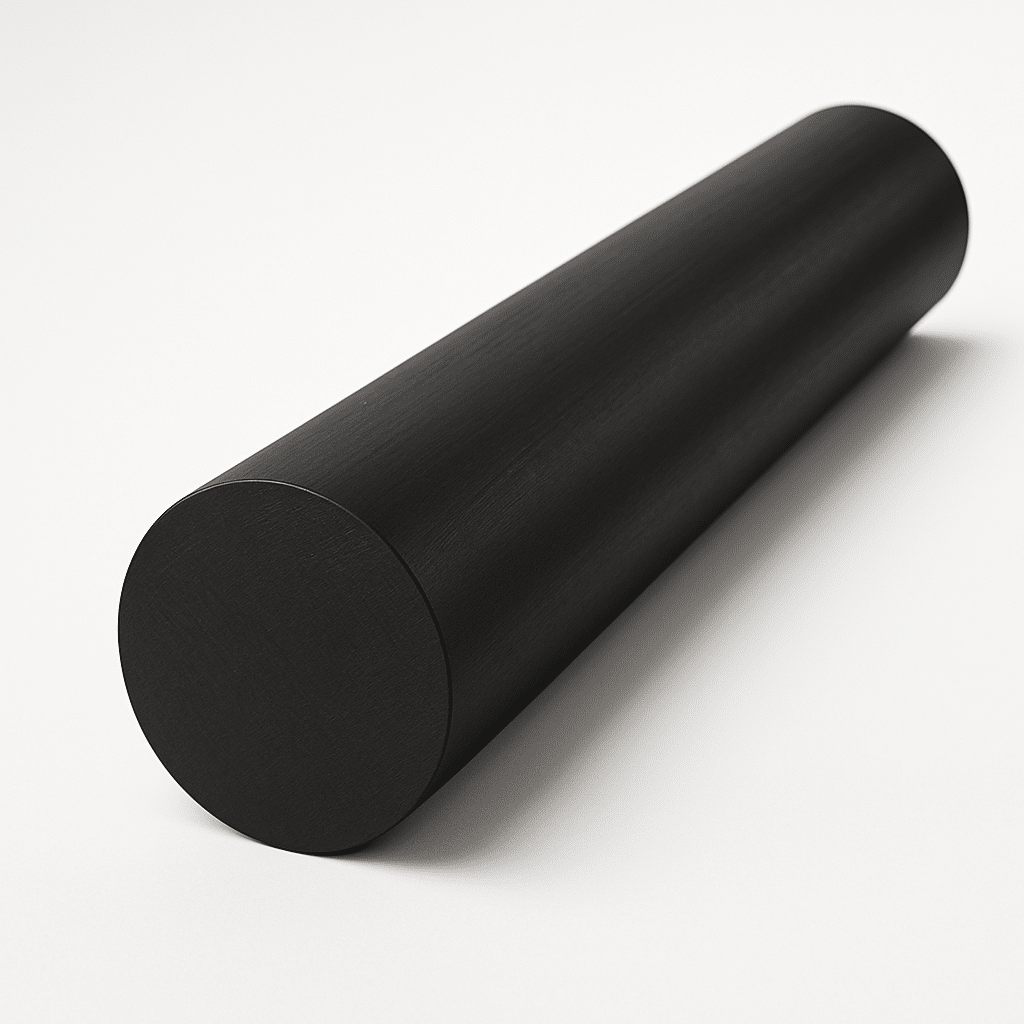
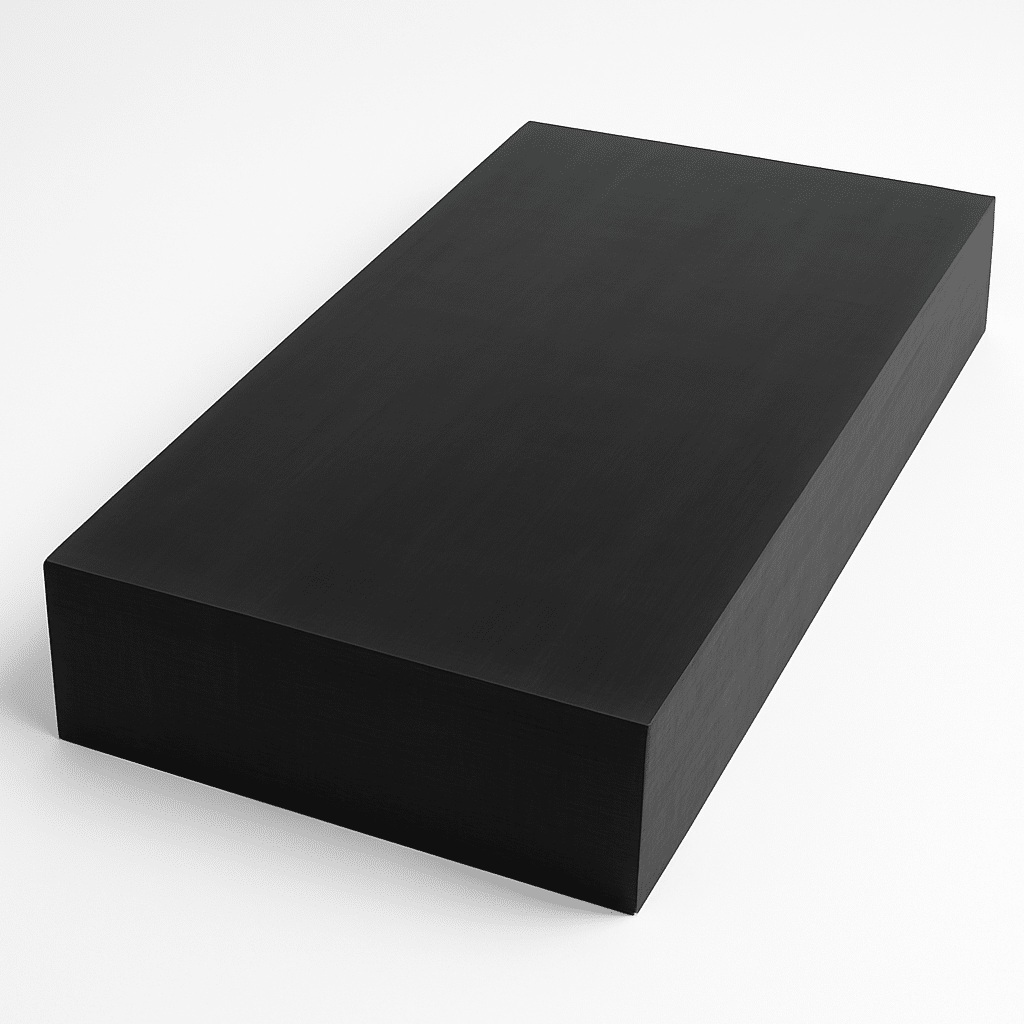
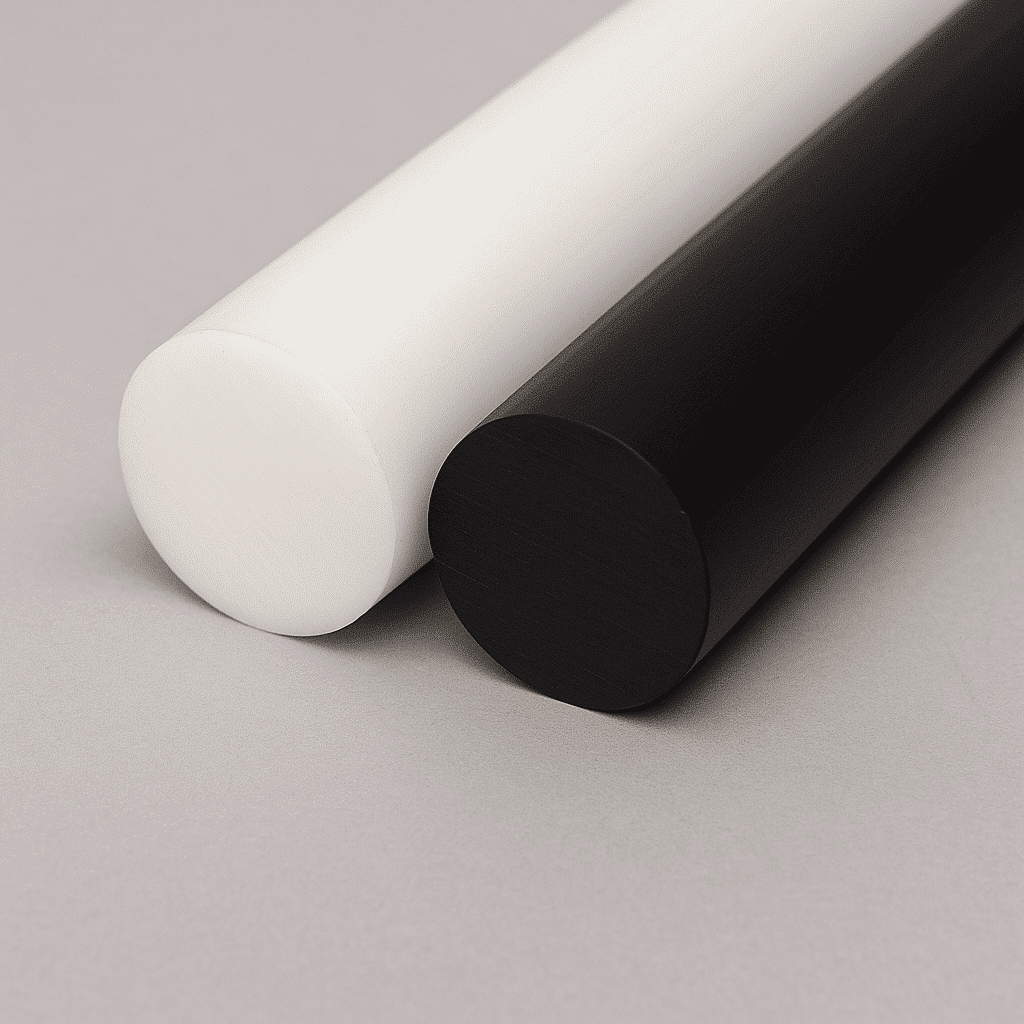
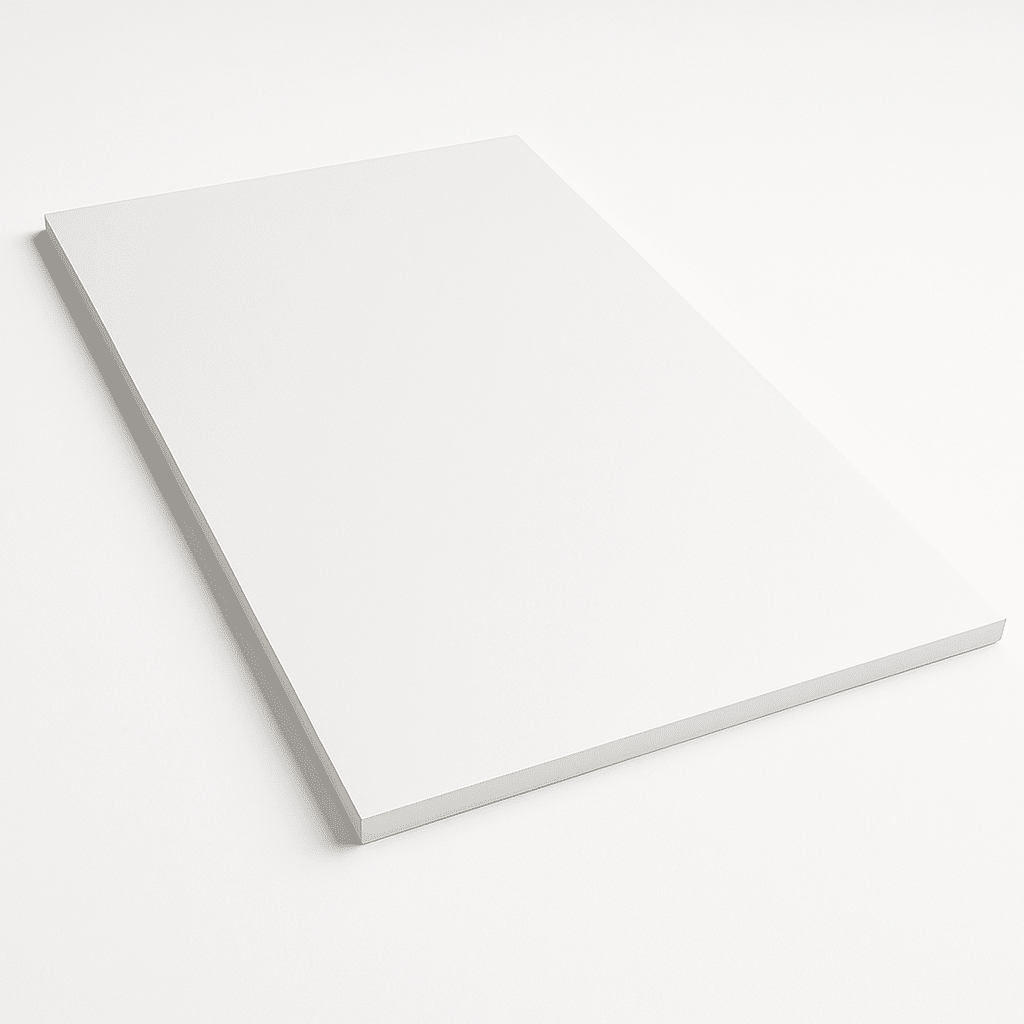
We supply UHMWPE and HDPE sheet and rod cut to size for wear strips, slider beds, guide rails, skirt boards and impact beds, either as flat blanks for site fitting or machined to your bracket and bolt-hole pattern.
UHMWPE vs HDPE for Conveyor Wear Parts
UHMWPE (ultra-high molecular weight polyethylene) has the lowest coefficient of friction and best abrasion resistance of the two, making it the standard choice for high-wear zones like loading points and transfer chutes where belt speed and material impact are highest.
HDPE costs less, machines just as easily, and is the practical choice for lower-duty guide rails, skirt boards and general wear strips where UHMWPE's extra wear life isn't needed to justify the price premium.
Both materials resist moisture, most chemicals and won't rust or rot, which matters on outdoor mineral processing conveyors and in wash-down food environments alike.
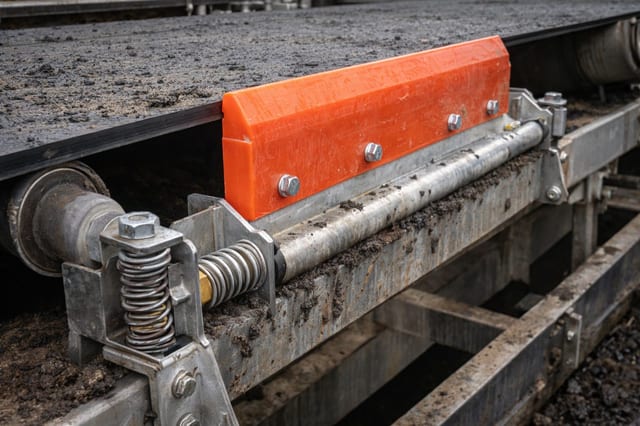
Wear Strips, Slider Beds and Guide Rails
Slider beds and wear strips are typically supplied as flat sheet cut to width and length, with fixing holes drilled to your bracket centres. Guide rails and skirt board liners are usually machined with a step or rebate to sit flush against steel framework.
For belt tracking issues, replacing worn timber or steel guide rails with UHMWPE is one of the simplest fixes available. The reduced friction stops the belt riding up against the rail and cuts edge wear.
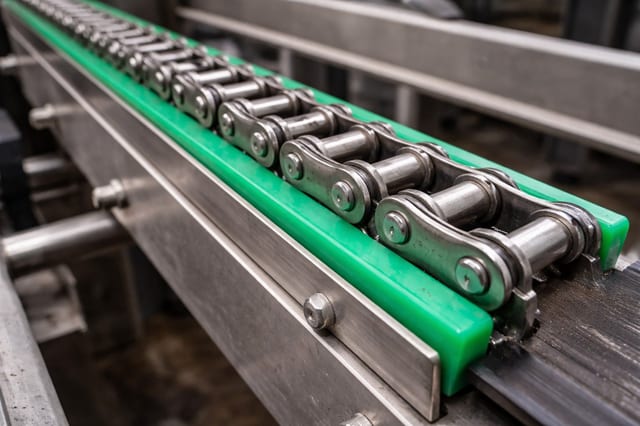
Chemical and Moisture Resistance for Food and Wash-Down Lines
In food and beverage plants, HDPE and UHMWPE are approved for food-contact zones, clean easily, and tolerate regular hose-down and sanitiser exposure without the corrosion issues that plague mild steel components.
Both materials also resist a wide range of process chemicals, oils and cleaning agents used across mining, packaging and manufacturing conveyor lines.
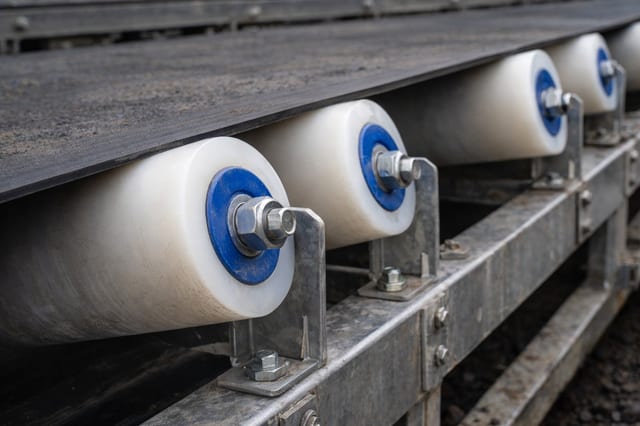
Cut, Machined and Fabricated to Your Conveyor Spec
We cut wear strips and slider beds to length on our panel saw, router bolt-hole patterns and rebates on our CNC router, and can turn guide rollers and sprocket-adjacent components on the lathe. Supply a drawing, sample part or the worn original and we'll match it exactly.
Bulk sheet is also available for maintenance teams who prefer to cut and fit wear parts in-house.
Featured Products
Products commonly used for this application.
Services Involved
Our services relevant to this use case.


Need help with your conveyor belt plastics project?
Our engineers provide expert guidance on material selection, design optimisation, and fabrication.
Conveyor Belt Plastics FAQ
What's the difference between UHMWPE and HDPE for conveyors?
Can plastic wear strips replace steel or timber guides?
Are these plastics suitable for food-grade conveyors?
Can you cut wear strips to a specific bolt pattern?
Do you supply bulk sheet for maintenance teams?
More in Industrial Engineering and Wear Components
Engineering Plastic Trade Names & Equivalents
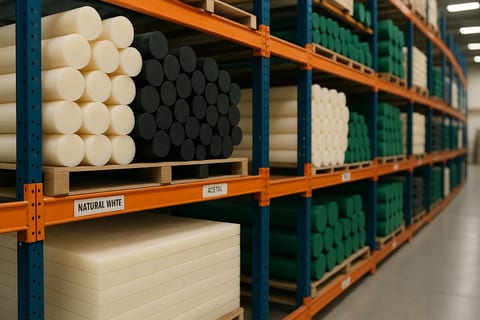
Cross-reference guide to engineering plastic trade names. Ertalon, Sustamid, Nylatron, Ertacetal, Sustarin, Polystone, Tivar, Ertalyte, and Simona matched to the nylon, acetal, UHMWPE, PET, and PVC we supply.
Read more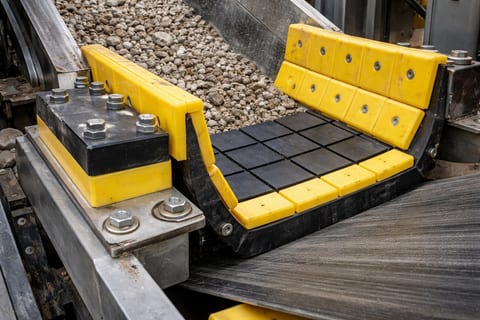
Conveyor Skirting & Transfer Point Sealing
UHMWPE and HDPE conveyor skirting boards, skirt liners, and transfer point sealing strips. Stop spillage and dust at load zones, cut to your chute and skirt dimensions.
Read more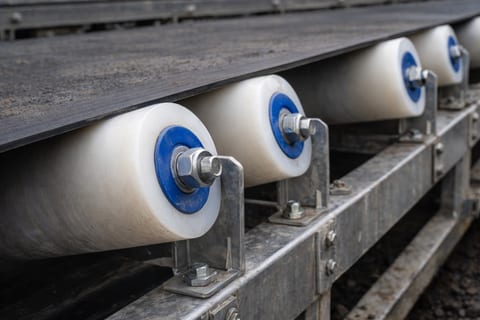
Plastic Sheaves, Pulleys & Rollers
Machined nylon and UHMWPE sheaves, rope pulleys, cable rollers, and guide wheels. Lighter than steel, kind to ropes and cables, machined to your drawing.
Read more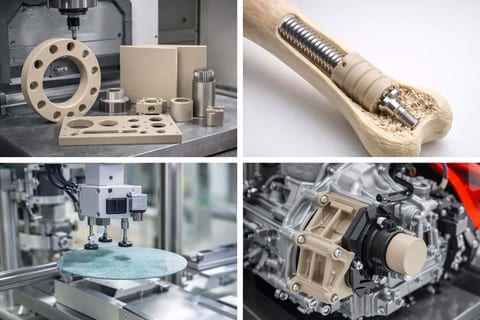
PEEK Machined Parts & Components
PEEK machined parts for extreme temperature, chemical, and wear applications. Bushes, seals, valve seats, and custom components machined from PEEK sheet and rod to your drawing.
Read more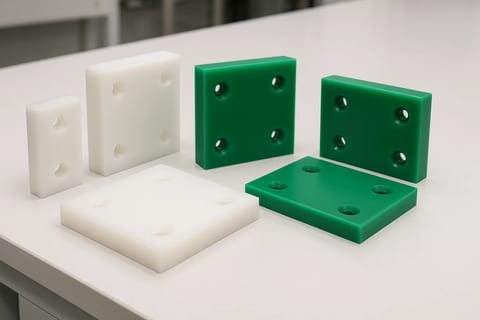
UHMWPE Wear Pads
Custom UHMWPE wear pads and slide plates engineered for chutes, conveyors and material-handling equipment. Exceptional abrasion resistance, self-lubricating properties and CNC machined to your drawings with fixing holes.
Read more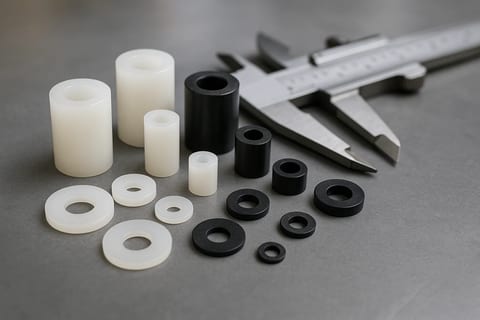
Nylon Washers, Spacers & Custom Small Parts
Nylon washers, plastic spacers, shoulder washers, and PTFE washers in standard metric sizes or machined to your spec. From one-off prototypes to production quantities, delivered Australia-wide.
Read moreRelated from other industries
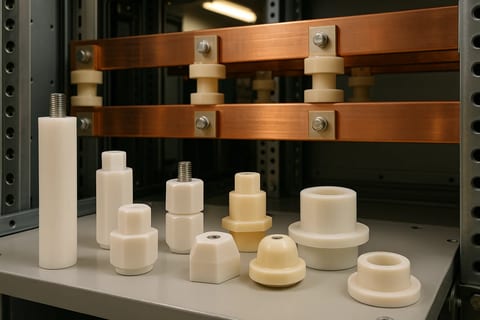
Plastic Electrical Insulators & Insulation Components
Machined plastic electrical insulators, standoffs, barriers, and busbar supports in nylon, acetal, PTFE, and polycarbonate. Cut and machined to drawing, delivered Australia-wide.
Read more
Plastic Packers, Shims & Window Packers
Window packers, horseshoe packers, glazing packers, and load-bearing plastic shims cut to any size and thickness. Trade quantities, custom sizes, and fast Australia-wide delivery.
Read more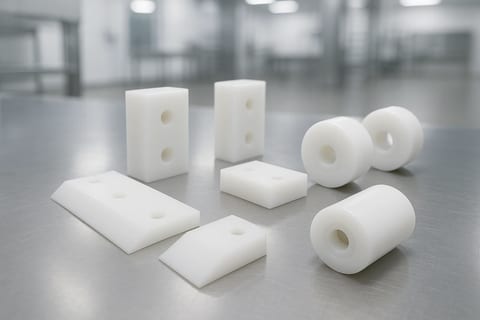
Food Processing Machine Parts & Scraper Blades
CNC-machined food-grade HDPE scraper blades, paddles, guides, and change parts for food processing equipment. Metal-detectable options, machined to drawing, delivered Australia-wide.
Read moreReady to start your conveyor belt plastics project?
Join thousands of businesses across Australia who trust Perspex Online for precision-cut industrial plastics.
Guides & articles
Top 10 Ordering Mistakes With Plastic Materials (And How to Avoid Them)
Avoid common plastic ordering errors by selecting proper thickness, material type, and UV resistance; ensuring precise measurements; considering tolerances; and consulting suppliers for smooth, cost-effective projects.
Read guide →applicationsPlastic Wear Parts for Conveyor Belts: Materials, Applications, and Buying Guide
Conveyor Belts Conveyor belts fail for one simple reason: wear. Friction, abrasion, impact, moisture, and contamination slowly destroy metal components and belts, driving up downtime and maintenance costs. That is why plastic wearable parts on conveyor belts are now standard across food processing, packaging, mining, recycling, and manufacturing lines. This guide breaks down where plastic […]
Read guide →guidesThe Ultimate Guide to Choosing Cut-to-Size Plastic Sheets for Trade and DIY Projects
Guide to cut-to-size plastic sheets: choose the right material (acrylic for clarity, polycarbonate for strength), select proper thickness and finish for durability and look, and use precision cutting and custom fabrication for best results.
Read guide →fabricationFrom CAD to Cut: The Science and Technology Behind Precision Cut-to-Size Plastics
Perspex Online uses advanced CAD/CAM, CNC routing, and laser cutting technologies for precise, high-quality plastic fabrication. They offer diverse materials, eco-friendly options, instant quotes, nationwide delivery, and expert support.
Read guide →guidesTop Plastic Material Problems-and How Expert Cutting and Fabrication Prevent Them
Expert cutting and fabrication prevent common plastic issues like melting, chipping, cracking, and scratches. Precision CNC routing, laser cutting, and proper handling ensure durable, high-quality results.
Read guide →materials7 Types of Plastic and Their Resin Identification Codes (RICs)
We’re surrounded by plastic-from food containers to clothing, it is very unmistakably a part of modern life. Not all plastics are created equal, though. Knowing the various kinds of plastic and their corresponding Resin Identification Codes (RICs) is fundamental to recycling and reuse, as well as in choosing products we consume. The resins used for […]
Read guide →