
Secondary Containment Tanks
Custom-welded secondary containment tanks and bunds in HDPE and polypropylene, sized to Australian storage requirements for chemical and fuel sites.
4.8 / 5
Google Rating
24hr
Quote Turnaround
Australia Wide
Delivery
Start Your Project
Partner with Australia's leading acrylic fabrication experts. We provide end-to-end support from material selection to final delivery.
Material Consultation
Our engineers help you select the optimal grade for your specific environmental and aesthetic requirements.
CAD Support
Send us your designs in DXF, DWG, or PDF. We review every file for structural integrity and precision cutting paths.
Fast Quoting
Receive a comprehensive technical specification and competitive quote within 24 hours of your submission.
Recommended Materials
Selecting the right base material for this application.


Secondary Containment Tanks and Bunds for Regulatory Compliance
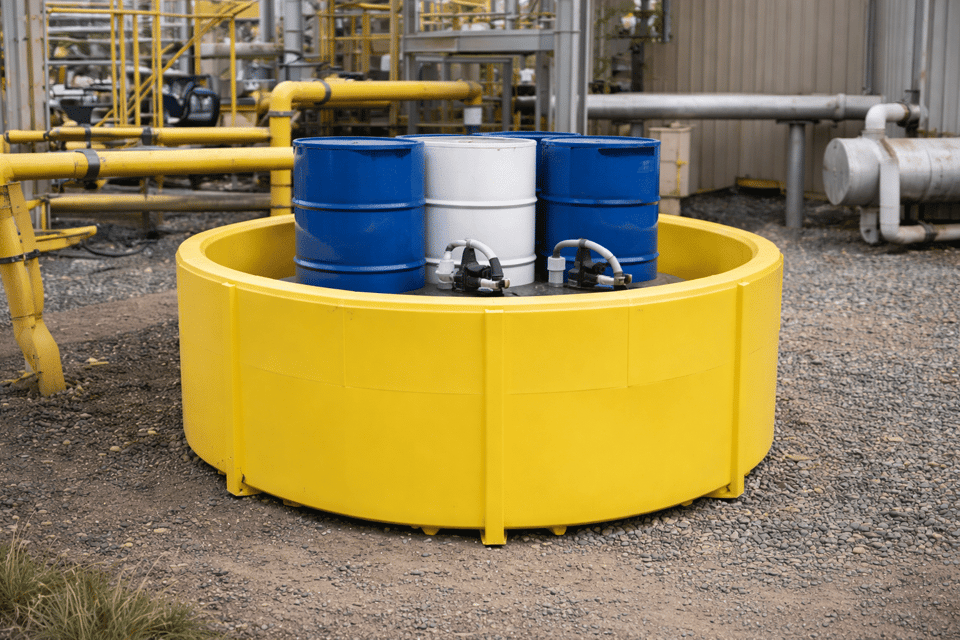
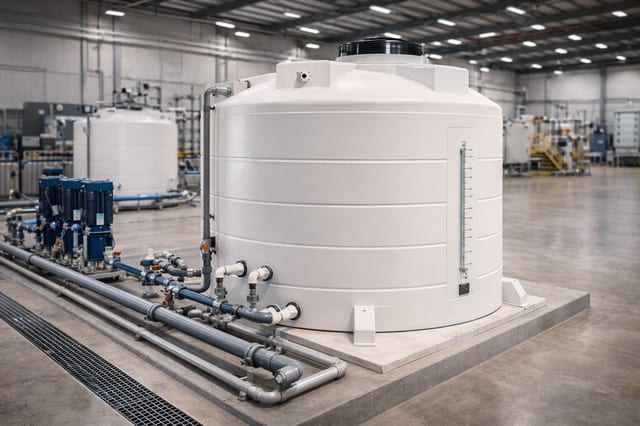
Secondary containment exists to catch a spill or leak before it reaches the ground, stormwater, or waterways, and is a standard requirement for sites storing bulk chemicals, fuels, and other regulated liquids in Australia. A welded plastic bund or containment tank sits beneath or around a primary storage tank, sized to capture the full contents of the largest tank in the bunded area plus an allowance for rainfall where the bund is outdoors.
Custom fabrication allows a bund to be shaped to fit around existing tanks, pumps, and pipework on site, rather than requiring a full re-layout of an existing chemical or fuel storage area.
Sizing Bunds to Australian Storage Requirements
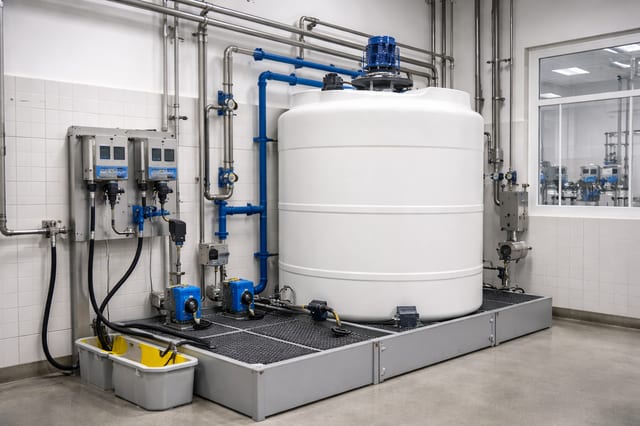
Bund capacity in Australia is generally calculated to hold 110% of the largest tank's volume, or 25% of the combined volume of all tanks in a shared bunded area, whichever is greater, though requirements vary by state, council, and the specific chemicals stored. We size and fabricate bunds to meet the volume you specify, based on advice from your compliance consultant or local authority.
Drainage points, sumps, and removable floor grating can be built into the bund design to make routine inspection and any incidental spill cleanup straightforward.
Materials for Compliant Secondary Containment
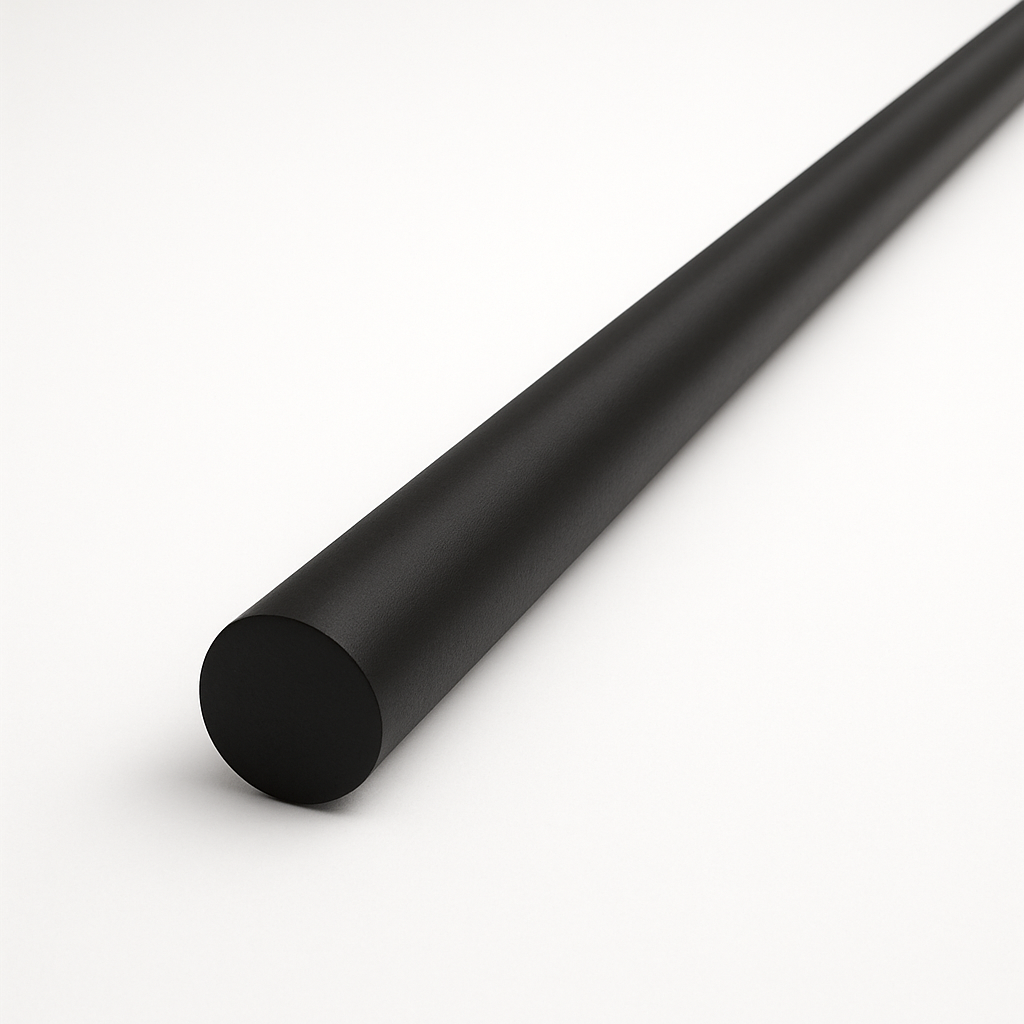
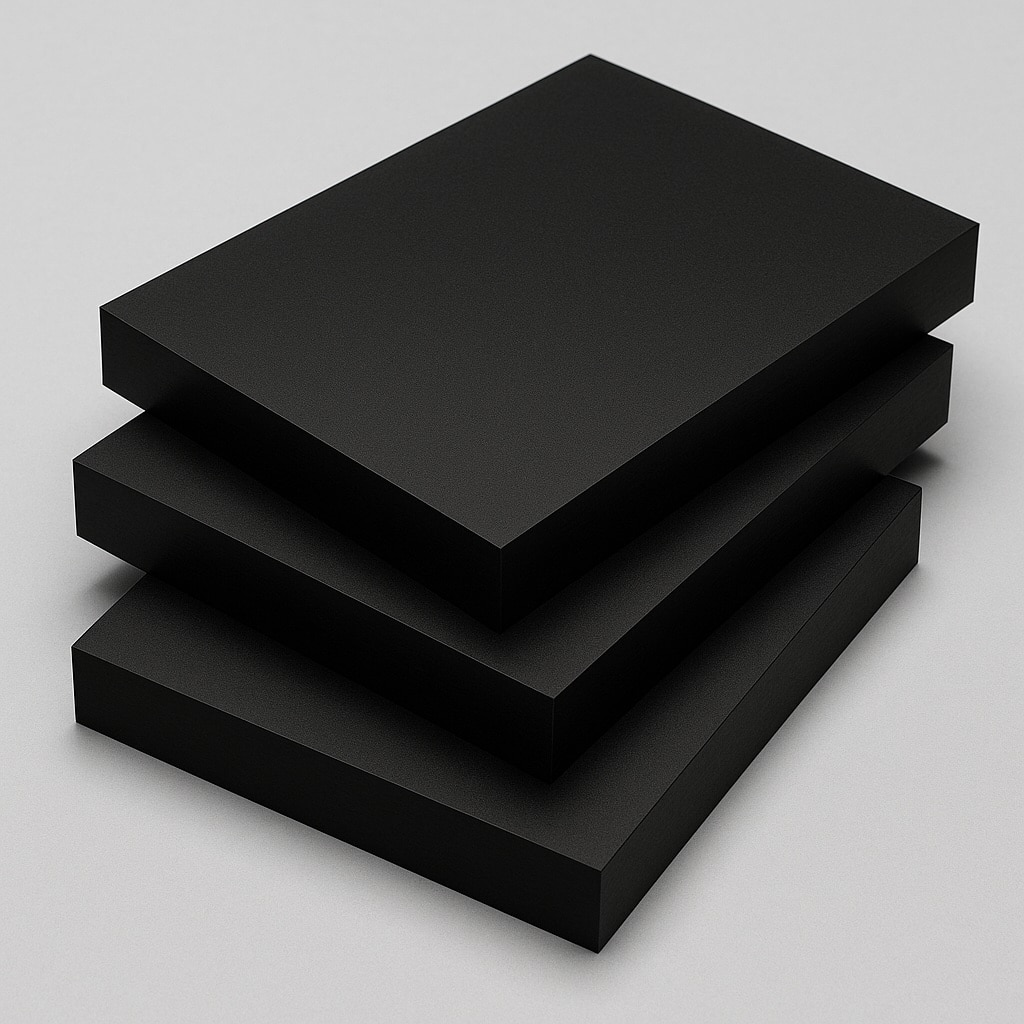
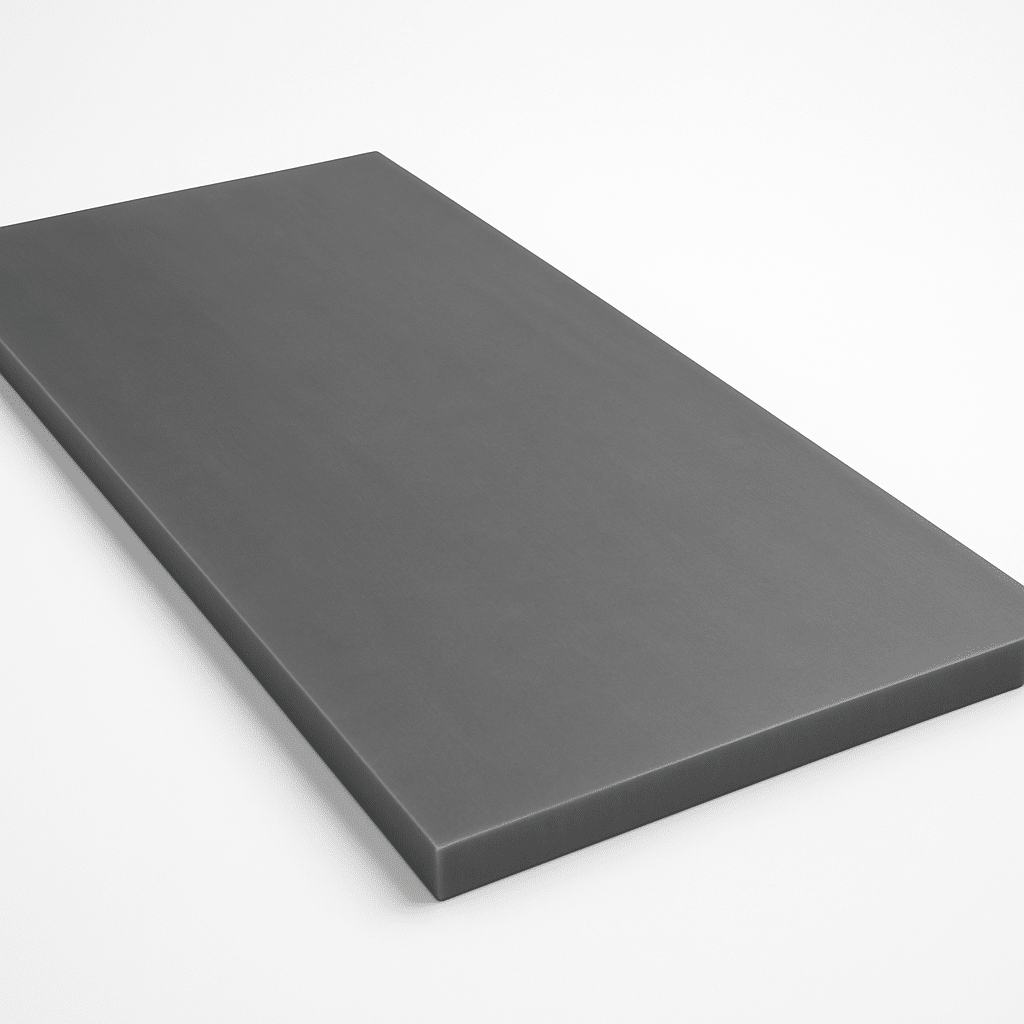
HDPE sheet is the most common material for secondary containment structures, chosen for broad chemical resistance and ease of welding into large, low, rectangular bund shapes. Polypropylene is specified where the stored chemical falls outside HDPE's resistance range or where the bund will see elevated temperatures. Rigid PVC sheet is used for smaller ancillary bunds or drip trays rather than large primary containment structures.
Wall height and floor thickness are calculated based on required containment volume and any expected foot or vehicle traffic across the bund floor.
Integrating Bunds With Existing Tank Farms
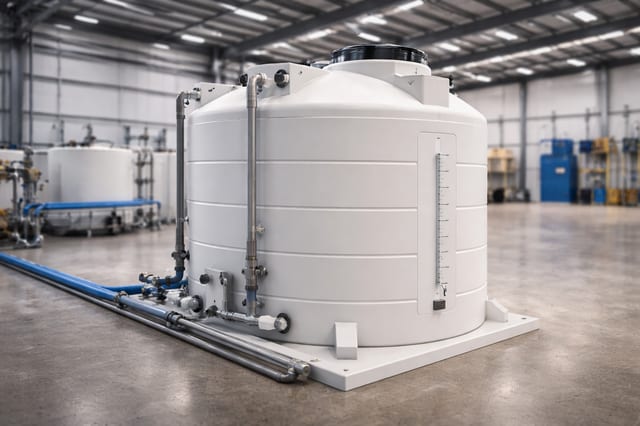
For sites with an existing tank farm, we can fabricate a bund to fit the current tank footprint and pipe runs without requiring tanks to be relocated, minimising disruption to an operating facility.
Provide your tank dimensions, the chemical or fuel stored, and your required containment volume, and we will fabricate a bund or containment tank to suit.
Featured Products
Products commonly used for this application.


Services Involved
Our services relevant to this use case.


Need help with your secondary containment tanks project?
Our engineers provide expert guidance on material selection, design optimisation, and fabrication.
More in Tanks Fluid and Containment Systems
Waste & Grey Water Tanks
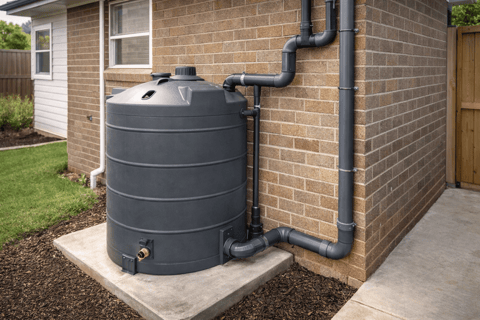
Plastic materials are commonly used for wastewater storage tanks because they offer corrosion resistance, chemical compatibility, and long-term durability in wet environments. Unlike metal tanks,…
Read more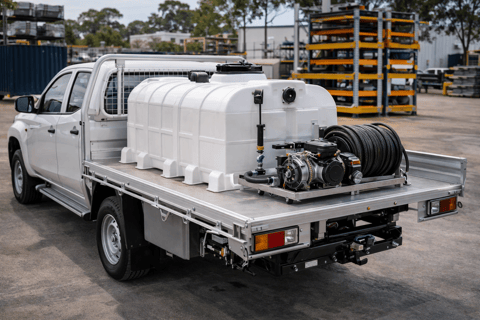
Vehicle-Mounted Plastic Tanks
Vehicle-mounted plastic tanks are used for storing water, waste, fuel, chemicals, and process fluids in utes, 4×4 vehicles, trucks, trailers, and service vehicles.
Read more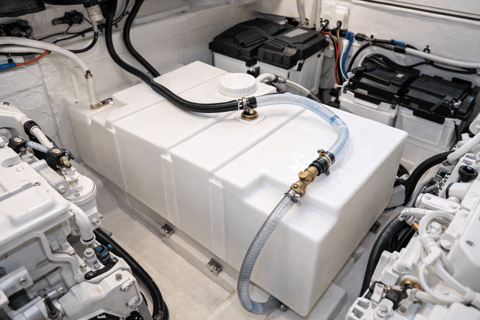
Marine Tanks
Custom-welded marine tanks in HDPE and Seaboard marine-grade plastic for boats and vessels. Baffled, fitted, and shaped to your hull cavity.
Read more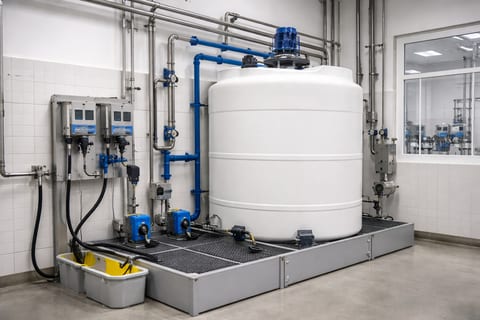
Chemical Storage Tanks
Custom-welded chemical storage tanks in HDPE, polypropylene, and PVC. Chemically resistant, bunded options available, built to spec.
Read more
Battery Box
Plastic materials are widely used for battery boxes because they provide chemical resistance, corrosion resistance, and electrical insulation. These properties are particularly important in battery…
Read more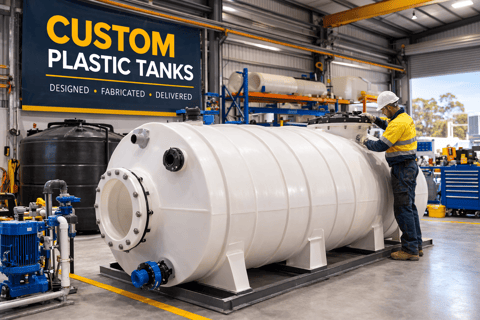
Custom Plastic Tanks
Custom-welded plastic tanks in HDPE, polypropylene, and marine-grade Seaboard. Built to your exact volume, footprint, and fitting requirements.
Read moreRelated from other industries
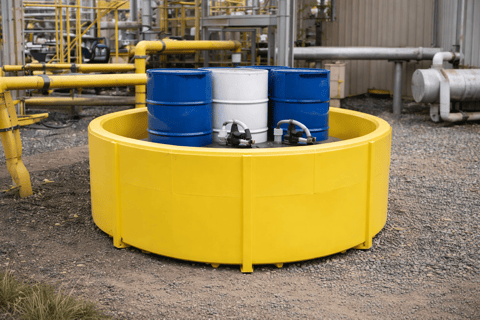
Welded Plastic Assemblies | PP, HDPE & PVC Fabrication
Hot-air and extrusion-welded polypropylene, HDPE, and PVC fabrications for tanks, ducting, and chemical containment. Custom welded assemblies from the Gold Coast.
Read more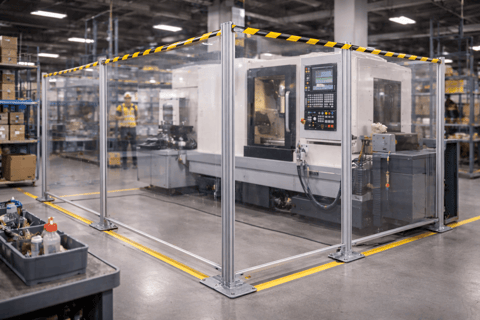
Protective Barriers
Custom protective barriers in polycarbonate, acrylic, HDPE, and PVC for machine guarding, workplace safety, and public spaces. Cut to fit.
Read more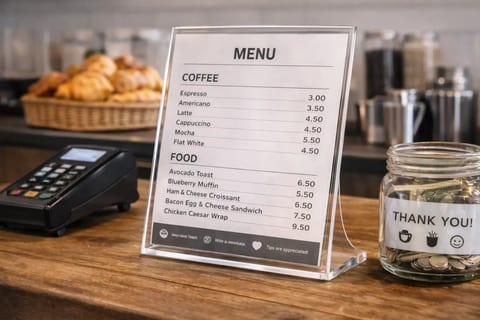
Point of Sale Displays
Custom point of sale displays in acrylic, PVC foam, and corflute. Brochure holders, risers, and counter displays cut to size for retail.
Read moreReady to start your secondary containment tanks project?
Join thousands of businesses across Australia who trust Perspex Online for precision-cut industrial plastics.