
Technical Specifications
| Polymer Type | Polyvinyl Chloride (PVC-U / uPVC) |
| Density | ~1.38–1.45 g/cm³ |
| Water Absorption (24h @ 23°C) | < 0.1% |
| Tensile Strength | 45–55 MPa |
| Tensile Modulus | 2.4–3.4 GPa |
| Continuous Service Temp | -10°C to +60°C |
| Short-Term Max Temp | Up to ~80°C |
| UV Resistance | Good (stabilised grades) |
| Weather Resistance | Good |
| Chemical Resistance | Excellent |
| Flame Resistance | Self-extinguishing |
Certifications & Downloads
PVC Rod
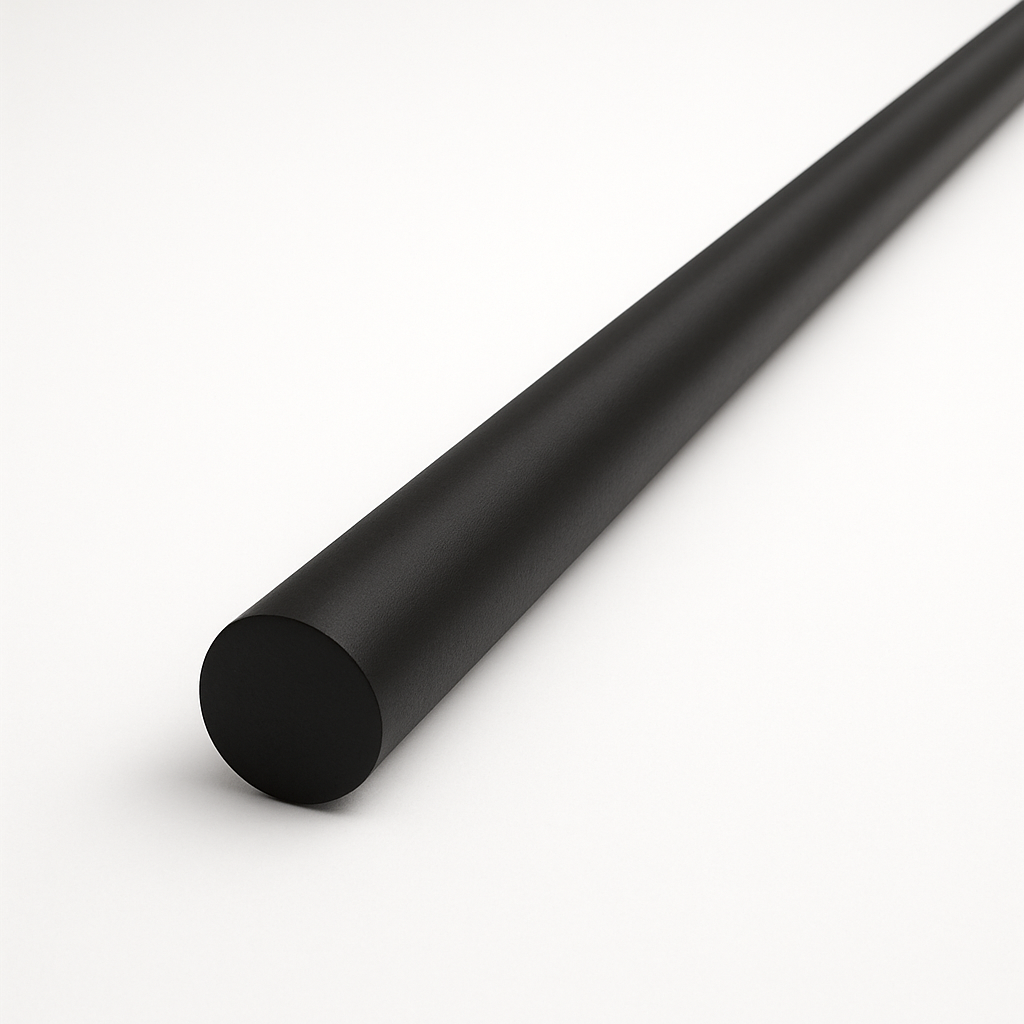
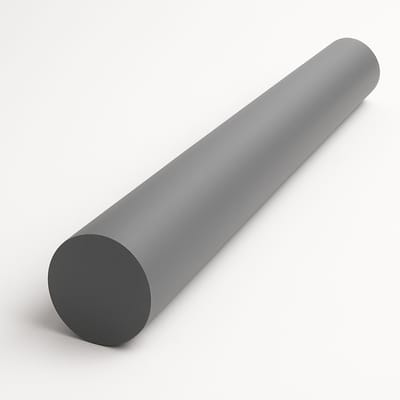
Grey PVC Rod (10mm – 200mm Diameter) – Durable, lightweight, and highly chemical-resistant, our grey PVC rod is ideal for machining, fabrication, and industrial applications. Available in diameters…
Per-piece pricing for off-the-shelf lengths. Need a custom cut or a shorter length? Email us a quote.
Why choose PVC Rod?
- Excellent chemical and corrosion resistance
- Strong and rigid with good dimensional stability
- Good electrical insulation properties
- Lightweight and easy to machine
- Suitable for outdoor and industrial use
PVC Rod – Rigid, Chemical-Resistant & Easy to Work With
PVC (Polyvinyl Chloride) Rod is a tough, rigid plastic known for its excellent chemical resistance, electrical insulation properties, and ease of machining. It’s widely used in chemical processing, electrical insulation, and general industrial applications where durability and resistance to corrosion are essential.
Suitable for both indoor and outdoor use, PVC rod is lightweight, cost-effective, and performs well in a wide range of environments.
Key Features:
Available in a range of diameters and lengths to suit your project requirements.
Related Products
Technical Specifications
| Polymer Type | Polyvinyl Chloride (PVC-U / uPVC) |
| Density | ~1.38–1.45 g/cm³ |
Certifications & Downloads
Frequently Asked Questions
What is PVC rod and what is it used for?
What are the key properties of PVC rod?
PVC rod offers good chemical resistance, high stiffness, low moisture absorption, and excellent electrical insulation. It is self-extinguishing and resistant to many acids and alkalis. PVC has lower impact strength and temperature resistance compared to engineering plastics like nylon or acetal.
How does PVC rod compare to polypropylene (PP) rod?
How does PVC rod compare to nylon or acetal?
Can PVC rod be machined and what applications suit it best?
What you can make with PVC Rod

Chemical Tanks
PVC fabricated tanks for aggressive chemical storage and dosing.

Arts & Crafts
Perspex colour sheets for craft projects, model-making, and DIY.

Laboratory Panels
Chemical-resistant sheet for lab benchtops, splashbacks, and enclosures.

Protective Barriers
Ballistic-grade and standard polycarbonate barriers and partitions.

Electrical Enclosures
Clear polycarbonate lids for switchboards, junction boxes, and panels.

Solar Battery Covers
Weatherproof plastic covers for home battery storage and inverter units. UV-stable HDPE and polycarbonate, cut and vacuum-formed to size.

House Numbers
CNC-routed acrylic rod and sheet lettering for homes and offices.

Containment Systems
PVC bund lining and secondary containment for chemical storage.
Processing Services
Services available for this product
CNC Routing
Profiling, cutting, and drilling in rigid and foam PVC.
Learn morePlastic Welding
Hot-air welding for PVC tanks, ducting, and fabrications.
Learn moreTank Fabrication
Custom PVC tanks and vessels for chemical storage.
Learn moreFabrication
Bending, bonding, and assembly of PVC sheet and rod.
Learn moreBest sellers
Popular across the store
- #1
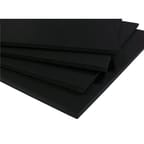
3mm PVC Foam Black 2440x1220
Black · 3mm · 2440x1220
$42.00 ex GST - #2
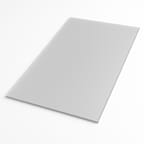
3mm Acrylic Clear Satin/Matte 2440x1220
Clear Satin/Matte · 3mm · 2440x1220
$168.00 ex GST - #3
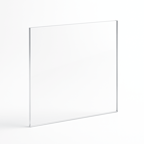
3mm Acrylic Perspex Clear 000 Half Sheet 1220×1220
CLEAR Premium Brand · 3mm · 1220x1220
$99.00 ex GST - #4
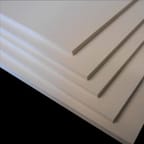
1mm PVC Foam White 2440x1220
White · 1mm · 2440x1220
$21.00 ex GST